

Best Fitness Trackers with Heart Rate Monitor: Complete Buyer's Guide
on Dec 26, 2025Introduction
Finding the perfect fitness tracker with a reliable heart rate monitor in the UK market can feel overwhelming with countless options available. Whether you're a seasoned athlete tracking performance metrics or someone starting their wellness journey, choosing the right device is crucial for achieving your health goals. Modern fitness trackers have evolved far beyond simple step counters, now offering sophisticated heart rate monitoring, sleep analysis, and comprehensive health insights that can transform how you approach fitness and wellbeing.
The UK fitness tracker market has exploded in recent years, driven by increasing health awareness and technological advances. With brands ranging from established players like Garmin and Fitbit to newcomers offering competitive features at various price points, understanding what to look for ensures you make an informed investment in your health journey.
Understanding Heart Rate Monitoring Technology in Fitness Trackers
Heart rate monitoring forms the foundation of modern fitness tracking, providing crucial insights into your cardiovascular health, workout intensity, and recovery patterns. Most fitness trackers available in the UK utilise photoplethysmography (PPG) technology, which uses LED lights to detect blood flow changes in your wrist arteries.
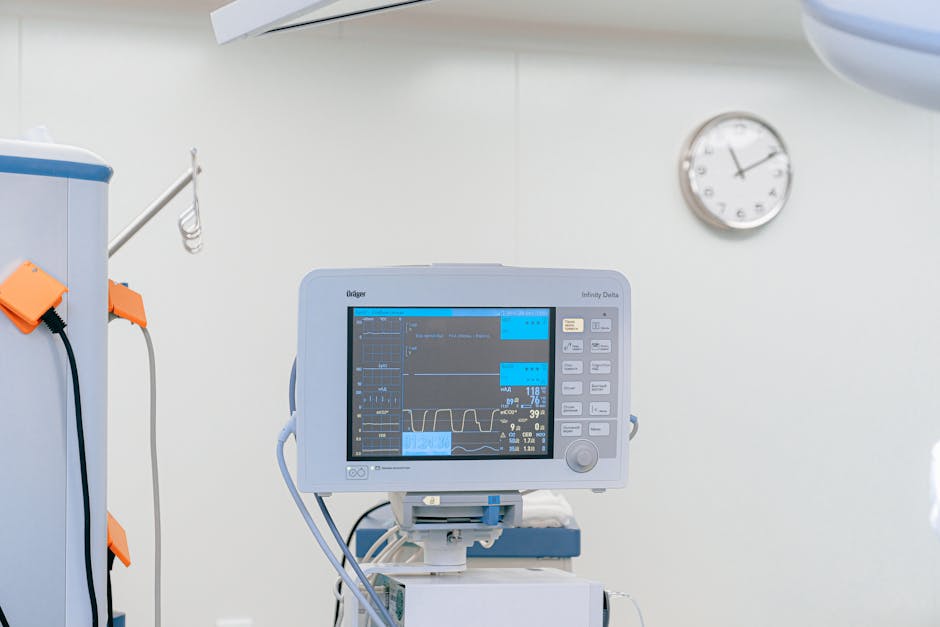
This optical heart rate monitoring works by emitting green LED lights that penetrate your skin and measure the light absorption variations caused by blood flow. When your heart pumps blood, more light is absorbed, and between beats, less light is absorbed. Advanced algorithms process these variations to calculate your heart rate with remarkable accuracy.
Accuracy Factors for Heart Rate Monitoring
Several factors influence heart rate monitoring accuracy in UK fitness trackers. Skin tone, wrist hair, ambient temperature, and device positioning all affect readings. Darker skin tones may require slightly different LED wavelengths for optimal accuracy, which leading manufacturers now account for in their designs.
Environmental conditions common in the UK, such as cold weather, can affect peripheral blood flow and impact readings. Quality fitness trackers compensate for these variables through sophisticated algorithms and multiple sensor arrays. The evolution of heart rate monitoring technology has significantly improved accuracy rates, with premium devices achieving medical-grade precision in many scenarios.
Types of Heart Rate Zones
Understanding heart rate zones helps maximise your fitness tracker's potential. Most UK fitness trackers categorise heart rate into five zones based on your maximum heart rate: resting, fat burn, cardio, peak, and maximum intensity. These zones guide workout intensity and help optimise training for specific goals.
Fat burn zones typically operate at 50-60% of maximum heart rate, ideal for weight loss and endurance building. Cardio zones range from 60-70%, perfect for cardiovascular fitness improvement. Peak zones at 70-85% target anaerobic capacity, while maximum zones above 85% suit high-intensity interval training and competitive athletes.
Top Fitness Tracker Brands Available in the UK Market
The UK fitness tracker market features several leading brands, each offering unique advantages for heart rate monitoring and overall functionality. Understanding brand strengths helps narrow down choices based on your specific requirements and budget considerations.

Garmin Fitness Trackers
Garmin dominates the premium fitness tracker segment in the UK, renowned for exceptional GPS accuracy and comprehensive health metrics. Their devices excel in outdoor activities, offering detailed heart rate analysis, VO2 max calculations, and recovery metrics. Popular UK models include the Vivosmart series for everyday wear and the Forerunner series for serious athletes.
Garmin's heart rate monitoring incorporates multiple sensors and advanced algorithms, providing accurate readings even during intense activities. Their Connect app ecosystem offers detailed analytics and integrates seamlessly with other fitness platforms popular among UK users.
Fitbit Heart Rate Technology
Fitbit pioneered consumer heart rate monitoring and remains highly popular in the UK market. Their PurePulse technology delivers reliable all-day heart rate tracking with user-friendly interfaces and comprehensive health insights. The Charge and Versa series offer excellent value propositions for UK consumers seeking reliable heart rate monitoring without premium pricing.
Fitbit's strength lies in simplicity and motivation features, making heart rate data accessible to fitness beginners while providing sufficient depth for experienced users. Their UK customer support and widespread retail availability add practical advantages for British consumers.
Apple Watch Series
Apple Watch has captured significant UK market share through seamless iPhone integration and advanced health features. The ECG capability and irregular rhythm notifications provide medical-grade heart monitoring exceeding basic fitness tracking. However, iOS exclusivity limits accessibility for Android users in the UK market.
Apple's heart rate algorithms benefit from extensive research partnerships and regulatory approvals, offering clinical-grade accuracy for health monitoring. The UK's NHS has explored Apple Watch integration for specific health initiatives, highlighting the platform's medical credibility.
Essential Features to Consider When Buying
Selecting fitness trackers with heart rate monitors in the UK requires evaluating multiple features beyond basic heart rate monitoring. Understanding these capabilities ensures your investment aligns with personal fitness goals and lifestyle requirements.

Battery Life and Charging Options
Battery performance significantly impacts daily usability of fitness trackers in the UK. Continuous heart rate monitoring demands substantial power, making battery life a crucial consideration. Premium devices typically offer 5-7 days of mixed usage, while basic models may require daily charging. For those prioritizing extended device usage beyond just fitness trackers, you might also be interested in our guide to the Best Wireless Earbuds with Long Battery Life Available in the UK.
Consider charging convenience for UK lifestyles, including proprietary cables versus standard USB connections. Some trackers offer quick-charge features, providing day-long usage from brief charging sessions, particularly valuable for busy schedules.
Water Resistance and Durability
UK weather conditions demand robust water resistance in fitness trackers. Look for devices rated 5ATM or higher for swimming compatibility, ensuring heart rate monitoring continues during aquatic activities. Many UK users appreciate this versatility for year-round outdoor activities regardless of weather conditions.
Durability extends beyond water resistance to include impact resistance and scratch protection. UK consumers often prioritise devices withstanding daily wear, outdoor activities, and occasional impacts without compromising heart rate sensor accuracy. For enthusiasts of other outdoor gadgets, our article on the Best Drone for Beginners with Camera UK: Top Picks for First-Time Pilots offers valuable insights into durable and reliable options for aerial adventures.
Sleep Tracking and Recovery Metrics
Advanced fitness trackers utilise heart rate variability data to assess sleep quality and recovery status. These insights help UK users optimise training schedules and understand rest requirements for improved performance and health outcomes.
Heart rate-based sleep tracking identifies sleep stages, providing detailed analysis of light, deep, and REM sleep patterns. Recovery metrics combine heart rate variability with other physiological markers to recommend optimal training intensity or rest days.
Price Ranges and Value Considerations
UK fitness tracker pricing varies dramatically, from budget options under £50 to premium devices exceeding £400. Understanding value propositions across price segments helps identify optimal choices for different requirements and budgets.

Budget-Friendly Options (£30-£100)
Entry-level fitness trackers with heart rate monitoring offer surprising capability for UK consumers on tight budgets. Brands like Xiaomi and Amazfit provide reliable heart rate tracking, basic activity monitoring, and smartphone notifications at compelling price points.
While lacking advanced features of premium devices, budget options excel for fitness newcomers or secondary devices. Heart rate accuracy may vary compared to premium alternatives, but remains sufficient for general fitness monitoring and motivation purposes.
Mid-Range Selections (£100-£250)
The mid-range segment offers optimal value for most UK consumers, combining reliable heart rate monitoring with comprehensive fitness features. Devices in this category typically include GPS, multi-sport tracking, and smartphone integration without premium pricing.
Popular mid-range options include Garmin Vivosmart series, Fitbit Charge models, and selected Samsung Galaxy Watch variants. These devices balance feature richness with affordability, suitable for serious fitness enthusiasts without professional athlete requirements.
Premium Devices (£250+)
Premium fitness trackers justify higher costs through advanced sensors, medical-grade accuracy, and comprehensive health ecosystems. Features like ECG monitoring, stress tracking, and detailed recovery analytics appeal to serious athletes and health-conscious UK consumers.
Investment in premium devices makes sense for users prioritising accuracy, advanced features, and long-term durability. The enhanced heart rate monitoring capabilities and ecosystem integration provide value for dedicated fitness enthusiasts and health professionals.
Health Benefits and Applications
Heart rate monitoring through fitness trackers offers numerous health benefits extending beyond basic fitness tracking. Understanding these applications helps UK consumers appreciate the investment potential in their long-term health and wellness journey.

Cardiovascular Health Monitoring
Continuous heart rate monitoring enables early detection of cardiovascular irregularities and provides baseline health data valuable for medical consultations. UK healthcare professionals increasingly recognise fitness tracker data as supplementary health information supporting patient care.
Resting heart rate trends indicate cardiovascular fitness improvements or potential health concerns requiring attention. The NHS provides guidance on healthy heart rates, emphasising the importance of understanding personal baselines and variations.
Heart rate variability analysis, available on advanced fitness trackers, offers insights into autonomic nervous system function and stress responses. This data helps UK users understand recovery needs and optimise training schedules for improved health outcomes.
Weight Management and Fitness Goals
Heart rate-based calorie tracking provides more accurate energy expenditure estimates compared to step-counting alone. This precision supports effective weight management strategies popular among UK fitness tracker users pursuing health and wellness goals.
Zone-based training guidance helps optimise workout efficiency, ensuring users spend appropriate time in target heart rate zones for specific objectives. Whether pursuing weight loss, endurance improvement, or athletic performance, heart rate monitoring provides objective feedback for progress assessment.
Stress Management and Mental Wellbeing
Advanced fitness trackers utilise heart rate variability to assess stress levels and recommend breathing exercises or relaxation techniques. This feature addresses growing mental health awareness in the UK, providing practical tools for stress management.
Guided breathing sessions based on heart rate responses help users develop stress reduction techniques applicable in daily life. The integration of physical and mental health monitoring reflects modern understanding of holistic wellness approaches.
Setup and Integration with UK Healthcare Systems
Maximising fitness tracker benefits requires proper setup and potential integration with UK healthcare systems. Understanding available connections and data sharing options enhances the device's value for health monitoring and medical consultations.
Smartphone App Integration
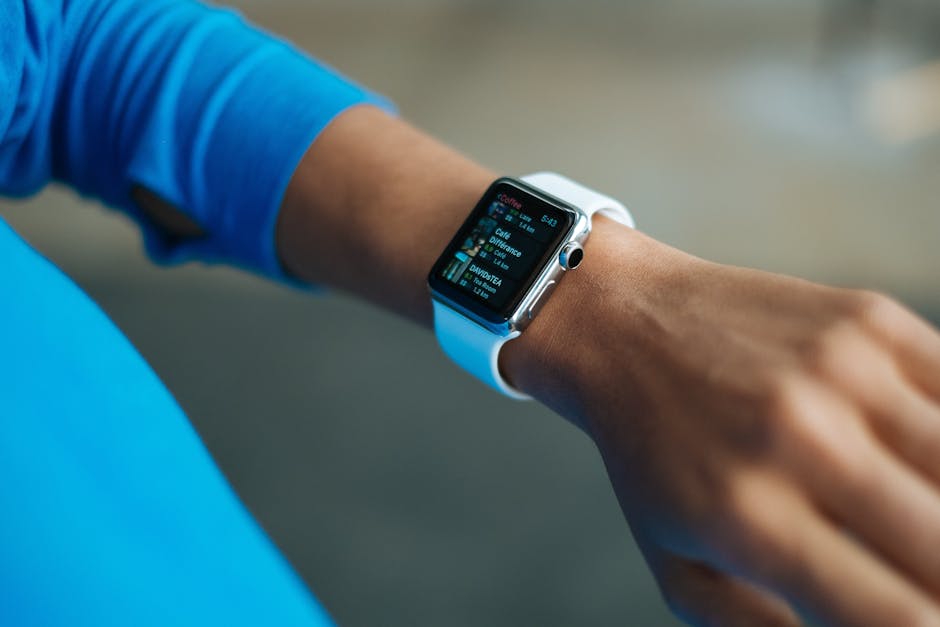
Most fitness trackers require smartphone apps for full functionality, including detailed heart rate analysis and historical data review. Popular apps like Garmin Connect, Fitbit, and Samsung Health offer comprehensive platforms for UK users to analyse their health data.
App selection significantly impacts user experience, with considerations including data export options, third-party integrations, and privacy controls. UK users should evaluate app ecosystems alongside hardware features when selecting fitness trackers.
Healthcare Data Sharing
Some UK healthcare providers accept fitness tracker data as supplementary information for patient consultations. While not replacing professional medical monitoring, heart rate trends and activity data provide valuable context for healthcare discussions.
Apple Health and Google Fit offer healthcare integration features, allowing secure data sharing with medical professionals when appropriate. The NHS App ecosystem continues evolving to potentially incorporate personal health device data in future iterations.
Data Privacy and Security
UK consumers should understand data privacy implications when using fitness trackers with heart rate monitoring. GDPR regulations provide protection frameworks, but users must actively manage privacy settings and understand data sharing agreements.
Consider data storage locations, sharing policies, and account security measures when selecting fitness trackers. Leading manufacturers implement robust security measures, but user awareness and active privacy management remain essential for data protection.
Making Your Final Decision
Choosing the ideal fitness tracker with heart rate monitoring requires balancing personal requirements, budget constraints, and feature preferences. UK consumers benefit from extensive retail options and competitive pricing across multiple brands and models.
Start by defining primary use cases, whether general fitness tracking, specific sport monitoring, or comprehensive health management. This clarity guides feature prioritisation and budget allocation for optimal value realisation.
Consider trying devices in-store when possible, evaluating comfort, interface usability, and heart rate monitoring accuracy during brief activity tests. Many UK retailers offer return policies allowing extended evaluation periods for final decision-making.
Research customer reviews and professional evaluations specific to UK usage scenarios, including weather conditions, activity types, and integration with popular UK fitness apps and services. This research provides practical insights beyond manufacturer specifications.
Whether you're starting your fitness journey or upgrading existing devices, investing in quality fitness trackers with reliable heart rate monitoring supports long-term health and wellness goals. The UK market offers excellent options across all price ranges, ensuring suitable choices for every lifestyle and requirement.
Ready to transform your health and fitness journey? Explore the comprehensive range of fitness trackers and health monitoring devices available through trusted UK retailers, and take the first step towards achieving your wellness goals with confidence and precision.
Recommended
What Is Health Tech and Its Everyday Impact – STOMRT.CO.UK
Workout Adjustable-Speed Steel Skipping Rope – STOMART.CO.UK
Role of Fitness Gadgets – STOMART.CO.UK
Fitness Trackers: Benefits and Smart Uses – STOMART.CO.UK