

Blue Light Skincare Explained: Protecting Modern Skin
on Dec 18, 2025
Most british people spend over six hours each day exposed to digital screens, making blue light a bigger part of daily life than many realize. This constant exposure is more than just a british trend; it affects skin health, sleep patterns, and overall wellbeing. Understanding where blue light comes from and how it interacts with technology and the environment uncovers why both natural sunlight and artificial lighting matter in modern routines.
Key Takeaways
| Point | Details |
|---|---|
| Understanding Blue Light | Blue light is present in both natural sunlight and artificial sources like digital screens, impacting skin health. |
| Skin Damage from Blue Light | Prolonged exposure to blue light can lead to cellular damage, contributing to skin aging and pigmentation changes. |
| Protective Skincare Ingredients | Antioxidants such as Vitamin C and Niacinamide can help mitigate blue light effects, strengthening the skin’s defences. |
| Daily Habits for Protection | Managing screen time and using blue light filtering technologies can significantly reduce potential skin damage from blue light. |
What Is Blue Light And Where It Comes From
Blue light is a fascinating segment of the visible light spectrum with a unique set of characteristics that impact our daily interactions with technology and nature. Scientifically defined by wavelengths between 380 and 500 nanometres, blue light represents a high-energy segment of visible light that surrounds us in multiple environments.
Naturally occurring blue light primarily originates from sunlight, acting as a fundamental component of our environmental light exposure. Digital devices and artificial lighting have become significant secondary sources of blue light in modern living spaces, emitting similar wavelengths through LED screens, fluorescent bulbs, and smartphone displays.
The spectrum of blue light encompasses both beneficial and potentially challenging wavelengths. Shorter blue light wavelengths contain more energy and can penetrate deeper into our visual systems, which explains why understanding its properties has become crucial for contemporary skincare and health approaches. Digital screens, smartphones, computer monitors, and energy-efficient lighting all contribute significant amounts of artificial blue light to our daily exposure.
The environmental sources of blue light can be categorised into two primary groups: natural and artificial. Natural sources include direct sunlight, which provides the most substantial and balanced blue light exposure. Artificial sources range from LED lighting and digital screens to fluorescent bulbs and electronic devices that emit these specific wavelengths.
Here is a comparison of natural and artificial sources of blue light:
| Source Type | Examples | Typical Exposure Context |
|---|---|---|
| Natural | Sunlight | Outdoors, daylight hours |
| Artificial | LED screens, smartphones, bulbs | Indoors, digital device usage |
Pro Tip: Invest in blue light filtering screen protectors or glasses to reduce unnecessary digital light exposure during extended screen time.
How Blue Light Affects Your Skin
Blue light presents a complex interaction with human skin that extends beyond traditional understanding of light exposure. Scientific research indicates that prolonged blue light exposure can trigger significant cellular changes, potentially accelerating skin aging processes through mechanisms not previously well understood.

The most critical impact of blue light involves its interaction with skin cells at a fundamental level. Studies suggest blue light can cause cellular damage that might compromise skin structure, including potential collagen breakdown. Shorter exposure periods as brief as 60 minutes can initiate cellular modifications that contribute to premature skin aging, with digital screens and artificial lighting serving as primary contemporary sources of concern.
At a molecular level, blue light penetrates deeper into skin layers compared to other visible light spectrums. This deeper penetration means it can potentially disrupt skin’s natural regeneration processes, trigger oxidative stress, and contribute to the breakdown of essential skin proteins. The high-energy wavelengths can generate free radicals, which are unstable molecules that damage skin cells and accelerate the appearance of fine lines, wrinkles, and uneven pigmentation.
Different skin types respond uniquely to blue light exposure, with individuals with darker skin tones potentially experiencing more pronounced pigmentation changes. The cumulative effect of daily digital device usage creates a persistent blue light bombardment that skin might not have evolutionary adaptations to manage effectively, making proactive protection increasingly important in modern lifestyles.
Pro Tip: Apply broad-spectrum sunscreens with blue light protection to create a defensive barrier against digital light exposure and minimise potential skin damage.
Skincare Ingredients That Combat Blue Light
Antioxidants emerge as the primary defence mechanism against blue light’s cellular damage, with certain ingredients demonstrating remarkable protective capabilities. Topical antioxidants like vitamin C and E offer critical protection by neutralising free radicals generated during digital device exposure, effectively mitigating potential skin damage at a molecular level.
Beyond traditional vitamins, several advanced skincare ingredients have proven particularly effective in combating blue light’s aggressive impact. Niacinamide, a form of vitamin B3, helps strengthen the skin’s protective barrier and reduces inflammation caused by oxidative stress. Powerful botanical extracts like green tea polyphenols and resveratrol provide additional antioxidant support, creating a multi-layered defence against high-energy light wavelengths that penetrate deeper skin layers.
Melanin-inhibiting compounds such as kojic acid and arbutin play a dual role in blue light protection. These ingredients not only help prevent hyperpigmentation triggered by digital light exposure but also provide a secondary protective mechanism against potential skin discolouration. Advanced peptides and ceramides further contribute to skin resilience, helping repair and reinforce the skin’s natural protective mechanisms against ongoing technological light bombardment.
Below is a summary of popular skincare ingredients targeting blue light effects:
| Ingredient | Key Benefit | Additional Action |
|---|---|---|
| Vitamin C | Neutralises free radicals | Enhances skin brightness |
| Niacinamide | Strengthens skin barrier | Reduces inflammation |
| Green tea | Antioxidant protection | Calms irritation |
| Kojic acid | Prevents hyperpigmentation | Lightens dark spots |
| Peptides | Supports skin repair | Boosts collagen formation |
LED beauty devices represent another innovative approach to blue light management, offering targeted treatments that can counteract potential cellular damage. By incorporating these scientifically formulated ingredients into daily skincare routines, individuals can create a comprehensive shield against the increasingly prevalent digital light environments we navigate.
Pro Tip: Layer antioxidant serums underneath your moisturiser for maximum blue light protection throughout the day.
Daily Habits To Reduce Blue Light Damage
Managing screen time represents the most critical strategy for minimising potential blue light damage to our skin and overall health. Implementing deliberate restrictions on digital device usage, particularly during evening hours, can significantly reduce exposure to high-energy light wavelengths that penetrate skin cells and potentially accelerate aging processes.
Physical distancing emerges as another sophisticated approach to blue light protection. Scientific recommendations suggest maintaining a minimum distance of 10 cm from digital screens to substantially decrease direct blue light exposure. This strategy becomes particularly crucial for individuals spending extended periods working on computers, smartphones, and other digital devices that emit concentrated blue light wavelengths.
Technology offers innovative solutions to complement personal habits. Blue light filtering applications, screen protectors with protective coatings, and built-in device settings can dramatically reduce harmful wavelength emissions. These technological interventions work alongside physical habits like repositioning screens, using night mode settings, and implementing periodic device-free intervals to create a comprehensive blue light management approach.
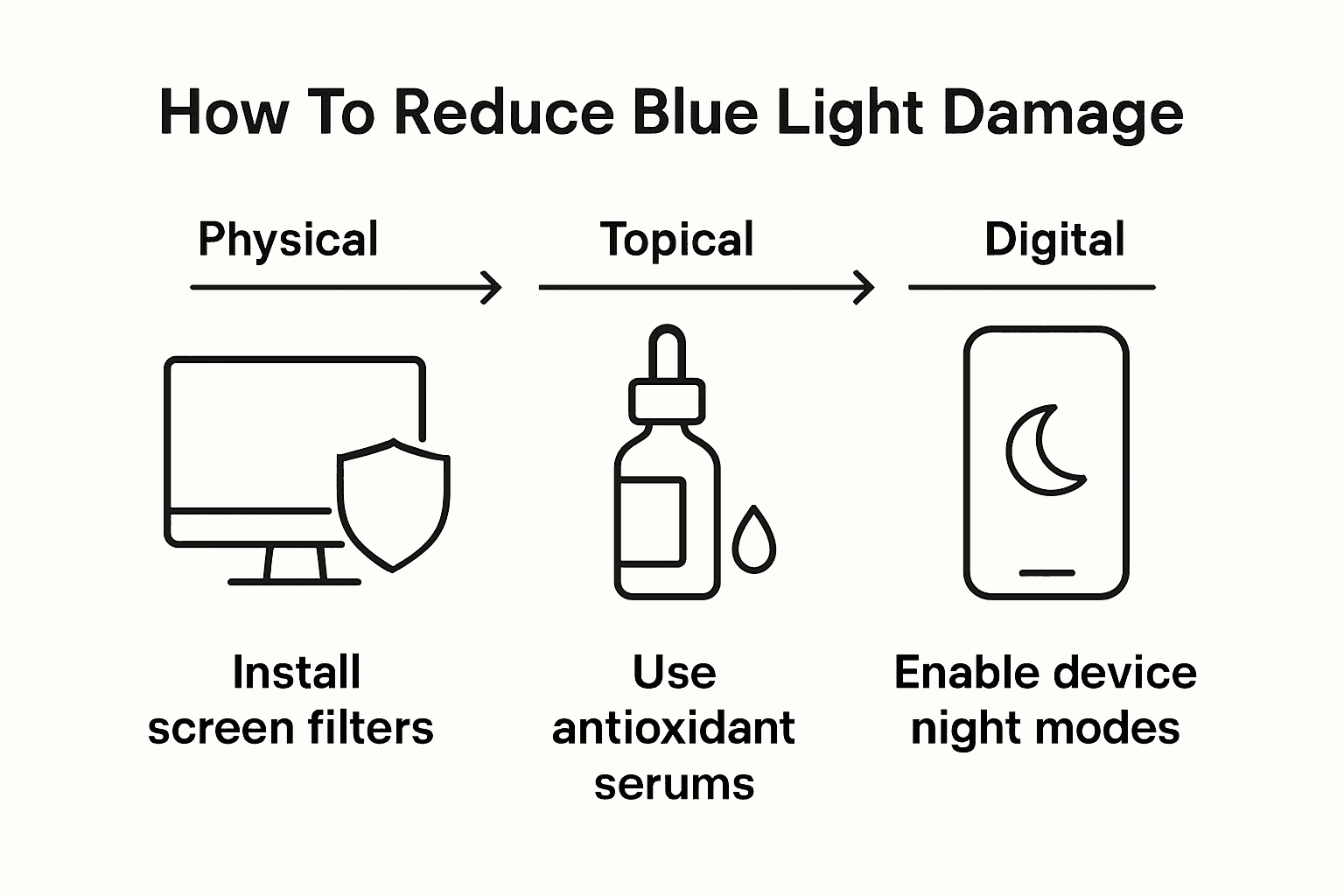
Microbreaks during extended digital interactions provide an additional layer of protection, allowing skin and eyes momentary respite from continuous light exposure. These strategic pauses not only reduce blue light contact but also support overall digital wellness by interrupting prolonged screen engagement.
Pro Tip: Set device night modes to activate automatically during evening hours to reduce blue light emission and support natural circadian rhythms.
Common Myths About Blue Light Skincare
Skin damage myths surrounding blue light proliferate across digital platforms, often creating unnecessary anxiety about technological exposure. Scientific research challenges many prevalent assumptions about blue light’s impact, revealing that not all digital interactions are inherently harmful to skin health.
Contrary to popular belief, extensive research suggests that typical device usage does not guarantee significant skin damage. Most blue light exposure from digital devices remains relatively minimal when screens are maintained at appropriate distances. The intensity and duration of exposure play crucial roles in determining potential cellular impact, meaning casual smartphone or computer use does not automatically trigger catastrophic skin deterioration.
Another widespread misconception involves the notion that all blue light is universally destructive. In reality, blue light exists on a complex spectrum with varying intensities and potential interactions. Some wavelengths may even contribute positively to skin processes, challenging the simplistic narrative of complete avoidance. Modern dermatological research emphasises nuanced understanding over blanket condemnation of digital light exposure.
LED beauty devices further complicate these discussions by demonstrating that specific blue light wavelengths can potentially offer therapeutic benefits. Understanding the contextual nature of blue light interactions requires moving beyond sensationalist claims and embracing scientific complexity.
Pro Tip: Approach blue light concerns with balanced perspective, focusing on practical protection strategies rather than extreme avoidance measures.
Protect Your Skin From Blue Light Damage with Stomart
Understanding the hidden effects of blue light on your skin is the first step towards healthier, younger-looking skin. This article highlights the challenges of prolonged exposure to digital screens and artificial lighting that emit high-energy blue light wavelengths capable of accelerating skin ageing and causing pigmentation issues. If you are concerned about blue light penetration, free radical damage, and the need for antioxidant-rich skincare, you are not alone. Protecting your skin effectively requires products designed to strengthen the skin barrier and neutralise oxidative stress.
At Stomart, we offer a carefully curated selection of antioxidant serums, broad-spectrum sunscreens, and advanced skincare solutions packed with key ingredients like vitamin C, niacinamide, and green tea extracts proven to combat blue light effects. Explore our health & beauty range to find skincare essentials made for your daily defence against the digital light environment. Don’t wait until signs of premature ageing appear. Start safeguarding your skin today and shop our premium collections for effective blue light protection now at Stomart.co.uk.
Frequently Asked Questions
What is blue light and where does it come from?
Blue light is a segment of the visible light spectrum with wavelengths between 380 and 500 nanometres. It primarily comes from natural sources such as sunlight, as well as artificial sources like digital screens, LED lighting, and fluorescent bulbs.
How does blue light affect the skin?
Prolonged exposure to blue light can trigger cellular changes in the skin, potentially accelerating skin aging and causing cellular damage. It may lead to oxidative stress, breakdown of collagen, and exacerbate pigmentation issues, especially for individuals with darker skin tones.
What skincare ingredients can help protect against blue light damage?
Antioxidants are critical in protecting skin from blue light damage. Ingredients such as vitamin C, niacinamide, green tea extracts, and kojic acid can neutralise free radicals and help prevent skin discolouration, while peptides aid in skin repair.
What daily habits can minimize the impact of blue light on my skin?
To reduce blue light damage, manage your screen time by taking regular breaks, maintain a distance of at least 10 cm from digital devices, use blue light filtering apps or screen protectors, and apply broad-spectrum sunscreens with blue light protection before using devices.