

DIY Garden Setup Steps for Small Urban Spaces
on Jan 08, 2026
More than half of British city dwellers live with small outdoor spaces that too often go underused. When every square metre counts, knowing exactly how to plan and set up your own mini garden can be a real game changer for comfort and wellbeing. This straightforward guide shares practical, budget-friendly steps to help you transform even the tiniest patio or balcony into a relaxing retreat tailored for modern British urban life.
Quick Summary
| Main Insight | Explanation |
|---|---|
| 1. Assess your outdoor area | Measure dimensions and observe sunlight, soil quality, and obstacles to inform your design decisions effectively. |
| 2. Plan your garden layout | Create a functional design on graph paper, zoning for different plant types and considering sunlight for optimal growth. |
| 3. Select suitable plants | Choose compact, space-efficient plants, and mix ornamental with edible varieties to enhance both beauty and productivity. |
| 4. Prepare quality soil | Test existing soil and, if necessary, enrich it with quality potting mix or compost to create optimal growing conditions. |
| 5. Establish a maintenance routine | Regularly inspect plants, water consistently, and keep records to monitor garden health and adapt as necessary. |
Step 1: Assess and measure your outdoor area
Before transforming your urban garden space, you need a precise understanding of what you’re working with. Careful site assessment determines your garden’s potential and helps you make smart design decisions that maximise every square centimetre.
Start by grabbing a measuring tape and sketch pad. Measure the total length and width of your outdoor area, noting down exact dimensions. Pay special attention to potential obstacles like existing structures, drainage points, or shade areas. Take measurements from multiple angles to understand the true usable space. For compact urban gardens, precision matters more than grand plans.
Determine your space’s unique characteristics. Note the amount of direct sunlight different areas receive throughout the day. Some plants require full sun, while others thrive in partial shade. Check soil quality by doing a simple drainage test pouring water in different spots and observing how quickly it absorbs. Understanding these microclimates will help you choose plants that naturally suit your garden’s specific conditions.
Smart Tip: Use graph paper when sketching your garden layout to maintain accurate scale and help visualise potential plant placements.
Step 2: Plan and sketch your garden layout
Transforming your urban garden starts with a strategic plan. Innovative garden design allows you to maximise every precious square metre of your compact outdoor space while creating a functional and beautiful green sanctuary.
Begin by creating a rough sketch that captures your garden’s actual dimensions. Use graph paper to maintain accurate proportions and visualise potential plant arrangements. Consider dividing your space into functional zones such as edible plant areas, seating spaces, and potential vertical gardening sections. Think creatively about multifunctional urban garden designs that can help you make the most of limited square footage.
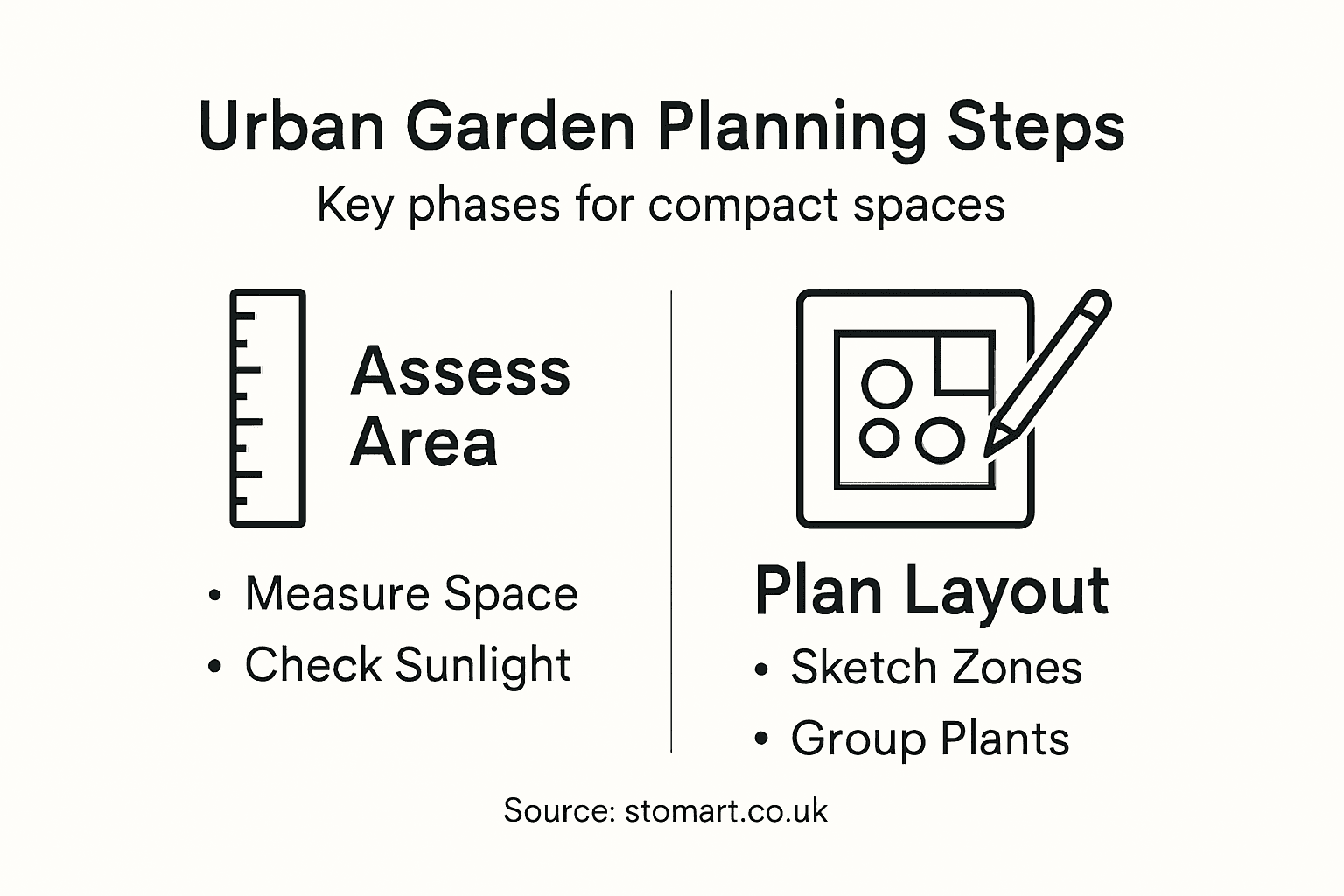
When planning your layout, prioritise sunlight exposure and plant compatibility. Group plants with similar water and light requirements together to simplify maintenance. Consider incorporating raised beds or tiered planters to add depth and interest while maximising growing space. Remember that a well-planned garden is not just about aesthetics but also about creating a sustainable and productive environment.
Pro Tip: Use coloured pencils when sketching to differentiate between plant types and garden zones, helping you visualise the final design more effectively.
Step 3: Select suitable garden materials and plants
Creating a thriving urban garden starts with choosing the right materials and plants that can flourish in compact spaces. Space-efficient plant varieties are key to transforming your small outdoor area into a productive green oasis.
Focus on selecting compact plants that are well-suited to container gardening. Herbs like basil, mint, and thyme are excellent choices for small spaces, as are leafy greens and dwarf vegetable varieties. Look for plants that can grow vertically or in small containers to maximise your limited garden area. Consider urban gardening materials such as lightweight raised beds, hanging planters, and trellises that help you utilise every inch of available space.
Pay close attention to your specific urban microclimate. Some plants might need protection from wind or intense city heat, while others require specific soil conditions. Choose containers with excellent drainage and use quality potting mix designed for container gardening. Select plants that match your available sunlight some areas might be fully exposed while others remain shaded throughout the day. Mix ornamental and edible plants to create a diverse and visually interesting garden that serves both aesthetic and practical purposes.
Here’s a quick reference comparing suitable plant types and their benefits for urban gardens:
| Plant Type | Suitable Growing Method | Key Benefit |
|---|---|---|
| Herbs | Small containers | Compact, easy to grow |
| Leafy greens | Window boxes | Quick harvest cycles |
| Dwarf vegetables | Raised beds | High yield, little space |
| Climbing plants | Vertical supports | Maximises vertical area |
| Ornamental flowers | Hanging planters | Enhances aesthetics |
Pro Tip: Invest in lightweight containers with good drainage holes and use wheeled plant stands to easily move your garden around and adjust to changing sunlight conditions.
Step 4: Prepare soil and install key features
Transforming your urban garden requires careful soil preparation and strategic infrastructure planning. Urban garden soil preparation is crucial for creating a thriving green space that maximises your limited outdoor area.
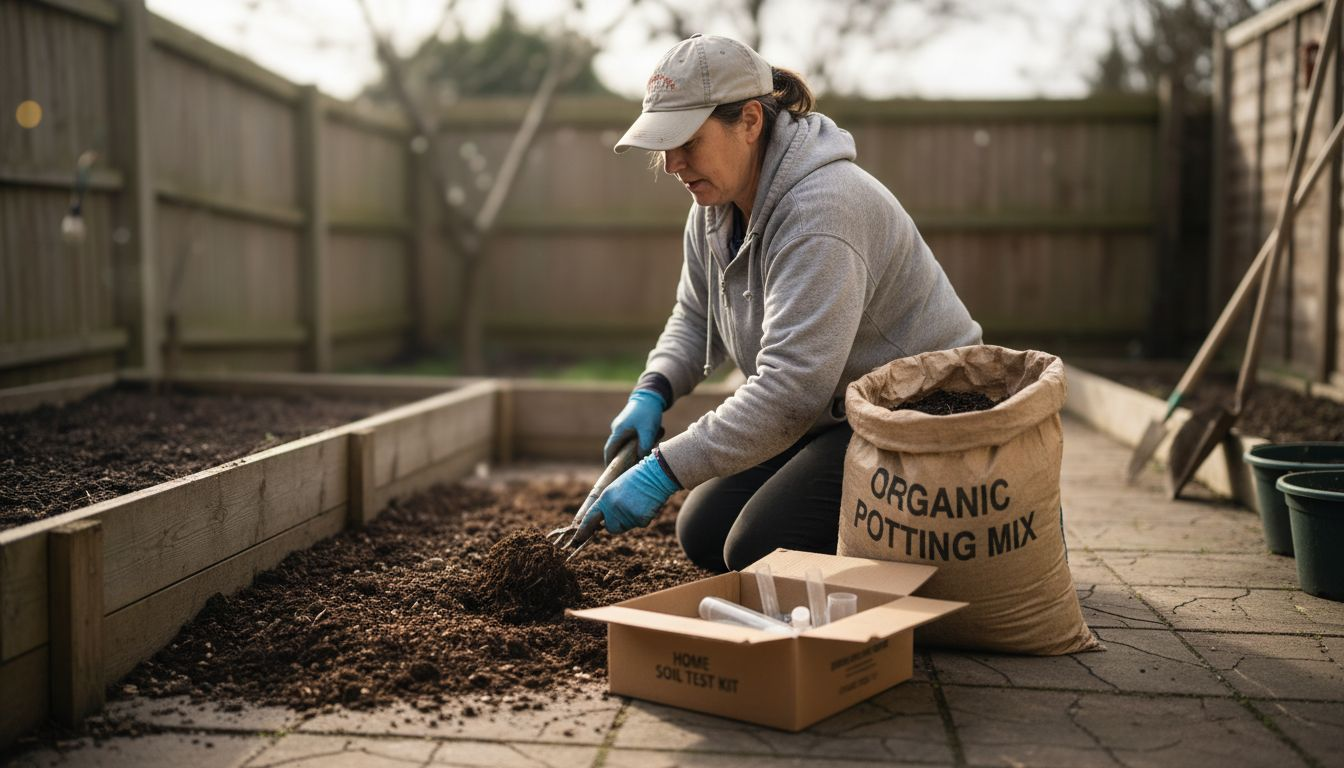
Start by thoroughly testing your existing soil and removing any debris or unwanted materials. Urban environments often have challenging soil conditions, so consider bringing in high quality potting mix or creating raised beds filled with nutrient-rich compost. Look into sustainable urban gardening infrastructure that supports healthy plant growth. Install key features like lightweight trellises for vertical gardening, compact irrigation systems, and permeable surfaces that improve drainage and prevent water logging.
Pay attention to the specific needs of your garden space. Create dedicated zones for different plant types, ensuring each area has appropriate support structures and access to necessary resources. Install compact composting systems to recycle garden waste and improve soil quality over time. Consider using modular containers and movable planters that allow you to adapt your garden layout as plants grow and your needs change.
Pro Tip: Mix different types of organic matter into your soil to improve its structure and create a more hospitable environment for plant roots.
Step 5: Plant and arrange your garden plants
Bringing your urban garden to life requires thoughtful plant arrangement strategies that maximise every precious square centimetre of your compact space.
Start by grouping plants with similar light and water requirements together. Implement vertical gardening techniques to create depth and increase growing capacity place taller plants at the back of containers and shorter ones in front. Consider companion planting methods where certain plant combinations support each other grow more effectively. For example pair basil with tomatoes or plant marigolds near vegetables to naturally deter pests.
Pay close attention to each plant’s growth habits and potential size. Urban garden planting techniques emphasise strategic spacing to prevent overcrowding while ensuring each plant has enough room to thrive. Use lightweight trellises for climbing plants like beans and peas, and consider hanging planters or tiered containers to create multiple growing levels. Remember that successful urban gardening is about working intelligently with your limited space rather than trying to recreate a traditional garden setup.
Pro Tip: Leave small gaps between plants to allow for air circulation and make future maintenance like pruning and harvesting much easier.
Step 6: Review and maintain your garden setup
Sustaining a thriving urban garden requires consistent attention and systematic garden maintenance practices. Your ongoing care will determine the long-term success and productivity of your green space.
Establish a regular maintenance routine that includes weekly inspections of plant health, soil conditions, and garden infrastructure. Check for signs of pest activity, disease, or nutrient deficiencies. Water plants consistently, adjusting for seasonal changes and specific plant requirements. Urban garden maintenance strategies emphasise adaptability learn to prune, fertilise, and rotate crops as needed to keep your garden thriving.
Below is a summary of essential maintenance tasks and their frequency for a healthy urban garden:
| Maintenance Task | Typical Frequency | Main Purpose |
|---|---|---|
| Inspect for pests | Weekly | Prevent infestations |
| Watering | 2-4 times per week | Maintain plant health |
| Pruning | Monthly | Promote new growth |
| Composting | Every 2 weeks | Replenish soil nutrients |
| Rotating crops | Each season | Avoid soil-borne diseases |
Prepare for seasonal transitions by updating your garden layout and plant selection. As some plants complete their growth cycle, clear out spent vegetation and prepare beds for new plantings. Keep your gardening tools clean and well maintained, and replenish soil nutrients through composting and organic fertilisation. Document your garden’s progress with photographs and notes to track improvements and learn from each growing season.
Pro Tip: Create a simple garden journal to track plant performance, weather conditions, and maintenance activities, helping you refine your gardening approach over time.
Make Your Small Urban Garden a Reality Today
Creating a vibrant garden in a small urban space presents unique challenges like limited square footage, variable sunlight, and the need for smart plant and material choices. This article highlights key steps such as precise measurement, strategic layout planning, and selecting space-efficient plants all designed to help you maximise every inch of your garden.
Bring your garden vision to life with quality materials and innovative tools available at Stomart.co.uk. From lightweight containers and raised beds to essential gardening accessories, our diverse product range supports every stage of your DIY garden setup journey. Avoid common pitfalls of urban gardening by choosing from our selection of durable and space-saving options. Start your transformation now and enjoy a thriving green space despite city constraints. Explore how you can create a beautiful and productive garden at Stomart.co.uk, your one-stop shop for practical garden equipment and more. Ready to cultivate your urban oasis? Visit Stomart.co.uk and take the first step today.
Frequently Asked Questions
How do I assess my small urban garden space?
To assess your small urban garden space, measure the length and width of the area, noting obstacles and features. Use a measuring tape and sketch pad to document the space accurately, focusing on sunlight exposure and soil quality to inform your design choices.
What steps should I take to plan my garden layout?
Start by creating a rough sketch of your garden using graph paper to maintain accurate proportions. Divide the area into functional zones for plants, seating, and vertical gardening, ensuring you consider sunlight exposure for optimal plant arrangement.
What types of plants are suitable for small urban gardens?
Choose compact plants that thrive in limited space, such as herbs, leafy greens, and dwarf vegetables. Incorporate plants that grow vertically or in small containers to maximise your garden area while ensuring they match your specific sunlight and soil conditions.
How should I prepare the soil for my urban garden?
Begin by testing your existing soil and removing debris before enriching it with high-quality potting mix or compost. Create raised beds if necessary, mixing different types of organic matter into the soil to improve its structure, providing a hospitable environment for plant roots.
What maintenance tasks should I focus on to keep my urban garden healthy?
Establish a regular maintenance routine that includes checking for pests weekly, watering 2 to 4 times per week, and pruning monthly. By consistently monitoring plant health and adapting your care practices, you can ensure your garden remains productive and thriving throughout the growing season.
How can I document the progress of my urban garden?
Create a simple garden journal to track your plants’ performance, weather conditions, and maintenance activities. Taking photographs and making notes will help you refine your gardening approach over time, enabling you to learn from each growing season.