

Eco-Friendly Home Products for a Greener Lifestyle: Your Guide to Sustainable Living
on Nov 17, 2024Introduction
Imagine stepping into a home where every product—no matter how small—contributes to a healthier planet. From the toothbrush beside your sink to the spray you use in the kitchen, choosing more sustainable options adds up. This introduction sets the stage for exploring a curated selection of eco-friendly home products for a greener lifestyle: your guide to sustainable living, helping you make informed, impactful changes in your daily routines.
The Shift Towards Sustainable Living
In recent years, consumer attitudes have shifted notably. A 2024 global survey revealed that 78% of shoppers recognise the importance of environmental sustainability and intend to live more eco-friendly lives, with 85% of American consumers planning eco-friendly purchases in 2024 GrabOn’s Sustainability Shopping Statistics. At the same time, the global eco-friendly products market is projected to reach $1.2 trillion by 2027, illustrating the growing demand for green solutions ZipDo Education Report 2025. These numbers underscore that sustainable living isn't a fringe choice—it’s becoming mainstream.
Why Eco-Friendly Choices Matter Now
Environmental impact isn’t hypothetical—it’s measurable. Every action counts, whether reducing waste or conserving energy. For example, replacing single-use plastic wrap with beeswax wraps helps address the staggering problem of plastic pollution; more than 8 million tonnes of plastic enter the world’s oceans each year, while food waste contributes to greenhouse gas emissions and resource loss at a domestic level Wikipedia on Beeswax Wraps. Meanwhile, homes that incorporate sustainable features—like recycled materials, LED lighting, or energy-efficient windows—offer tangible benefits: energy bills can drop by over 12%, and such homes sell 5–7% faster and for 3–5% more than their non-certified counterparts ZipDo Education Report 2025. The data makes clear that eco-conscious choices yield both environmental and financial rewards.
Throughout this guide, you will encounter detailed examples and actionable advice—from swapping plastic storage for beeswax wraps to installing low-impact devices in bathrooms. Each option has been selected for its practicality and proven benefit. Whether you’re beginning your journey or deepening your commitment, this guide offers evidence-based, realistic solutions that resonate with both your values and your everyday life.
Practical Benefits of Natural Materials: Bamboo and Beyond
Building on the actionable strategies we explored previously, embracing natural materials like bamboo is among the most effective ways to introduce truly eco-friendly home products for a greener lifestyle: your guide to sustainable living. Bamboo stands out due to its rapid renewability—certain species can grow up to one metre per day and reach harvest maturity in just 3–5 years, compared to decades for hardwoods. Its roots remain intact during harvest, ensuring continuous regeneration and significantly reducing reforestation efforts and soil disturbance bambus.com and J&C Creations.
Moreover, bamboo’s environmental credentials extend further: it produces around 35% more oxygen and absorbs four times more carbon dioxide than equivalent tree stands, with one hectare potentially sequestering up to 62 tonnes of CO₂ annually J&C Creations and House of Bamboo. These characteristics contribute to both cleaner indoor air and global climate mitigation.
Material Comparison: Bamboo Versus Alternatives
| Material | Growth / Regeneration | Carbon/Oxygen Impact | Water & Chemicals |
|---|---|---|---|
| Bamboo | Harvest in 3–5 years; regrows naturally | Absorbs ×4 CO₂, produces 35% more O₂ | Low water use, pest-resistant (no pesticides) |
| Cotton | Annual crop but high resource use | Less effective carbon sequestration | Very high water demand (~20,000 L/kg), heavy pesticides |
| Plastic | Petróleo-derived, non-renewable | No carbon benefit; contributes emissions | Intensive manufacturing, non-biodegradable |
Beyond bamboo, innovative alternatives such as Bananatex—a biodegradable canvas derived from Abacá banana fibres—are gaining traction in sustainable home goods. Developed by QWSTION, this fabric offers a durable, eco-conscious substitute to cotton or synthetic textiles Wikipedia on Bananatex.
Real-world examples reinforce the potential impact. Communities grappling with plastic pollution have turned to ecobricks—plastic-filled bottles compacted into building blocks that can outperform traditional concrete or red bricks under pressure. A study in Tanjung Mekar Village confirmed their structural viability for non-load-bearing construction, while also driving environmental education and local engagement Wikipedia on Ecobricks.
Ultimately, selecting natural, regenerative materials offers tangible, long-term benefits. From sequestering carbon to reducing reliance on harmful chemicals and petrochemicals, these options align beautifully with sustainable home living. By integrating them thoughtfully, you’re supporting products that bring both immediate practical value and enduring environmental advantage—continuing the journey outlined in our guide.
Eco-Conscious Home Upgrades: Practical Products with Proven Impact
Beyond comfort and aesthetics, eco-friendly home products deliver tangible benefits—ranging from cost savings to enhanced property value—when thoughtfully integrated into daily life. The notion of “eco‑friendly home products for a greener lifestyle: your guide to sustainable living” manifests most clearly when homeowners adopt evidence-backed upgrades that balance environmental stewardship with practicality.
Energy Efficiency That Saves Money and Carbon
Modern technologies like Energy Star appliances, smart thermostats, and LED lighting are central to energy-smart homes. Energy Star-certified appliances consume 10–50% less power than conventional models, saving households roughly $100–300 annually EcoFlow’s Sustainable Living Guide. Smart thermostats, which adapt heating and cooling based on routines, typically trim energy costs by $130–180 each year ibid.. When paired with LED bulbs that use 75% less energy and last significantly longer, smart home upgrades become compelling investments.
Water-Saving Fixtures That Cut Utility Bills
Water-efficient fixtures—such as low-flow taps and toilets—can reduce indoor water use by 30–50%, potentially saving households around $380 annually EcoFlow’s report. Greywater recycling systems can halve outdoor water consumption, while rainwater harvesting systems, though initially more costly, yield undeniable benefits over time ibid.. These real-world technologies demonstrate how thoughtful home upgrades translate into both environmental and financial gains.
Remodelling with Sustainable Materials: Market Trends and Returns
Homeowners increasingly prioritise eco-friendly materials—78% consider them essential during renovations, and 65% are willing to pay a premium for sustainable options ZIPDO Education Report, May 2025. Recycled content usage in home improvement has surged by 22% between 2020 and 2022, underscoring a broader shift toward resource-conscious design. Notably, homes renovated with green-certified materials sell 5–7% faster and for 3–5% more than non-certified counterparts ibid.. These gains highlight how sustainable choices resonate with both current owners and future buyers.
Case Study Spotlight: Bamboo’s Structural Superiority
Architects and builders increasingly turn to bamboo for its rapid renewability and remarkable strength. One species can grow up to 1.5 metres in a single day and reach maturity within four years, making it a truly sustainable building material Elora Hardy’s work on bamboo. Beyond its environmental credentials, bamboo’s structural resilience and lightness make it ideal for furniture, flooring, and even load-bearing elements. Using bamboo paves the way for eco-friendly design that doesn’t sacrifice durability or style.
Together, these examples show how everyday upgrades—be they smart energy systems, water-saving fixtures, eco-conscious materials, or innovative bamboo design—empower homeowners to live greener while reaping financial and environmental rewards.
Smart Lighting Solutions
Integrating smart lighting solutions is an effective strategy for reducing energy consumption, which is vital for a sustainable lifestyle. Not only does it enhance the eco-friendliness of a home, but it also provides flexibility and ambience control. Smart bulbs, for example, can be programmed to turn on and off at designated times or respond to natural light levels. This results in significant energy savings and contributes positively to the environment.
Brands like Philips Hue and LIFX offer efficient LED bulbs capable of integrating with smart home systems. These bulbs not only consume less energy but also have a longer lifespan than traditional incandescent lighting. Research by Carbon Trust points out that switching to LED lighting can reduce lighting electricity usage by about 80% compared to incandescent bulbs.
Case Studies and Real-World Applications
A practical example is the transformation undertaken by a tech-savvy homeowner in Leeds, who equipped his house entirely with smart lighting solutions. Alongside energy savings, he reported a reduction in his electricity bills by approximately 30% annually. The integration allowed him to set lighting schedules, adjust the brightness from his smartphone, and even control lights remotely, enhancing convenience and security.
Furthermore, businesses have also adopted smart lighting for their premises to meet corporate sustainability goals. Offices utilising motion sensors and energy-efficient lighting contribute significantly to reducing carbon footprints. By adjusting the lighting needs dynamically, these businesses align with eco-friendly practices, demonstrating the industrial scalability of smart lighting solutions.
Actionable Tips for Implementation
To get started with smart lighting, consider focusing on areas with the most frequent use, such as living rooms or kitchens. Installing smart dimmer switches allows for more nuanced control over lighting and can encourage further energy conservation. For broader application, incorporating solar-powered outdoor lighting can harness renewable energy, minimizing grid dependency.
Choosing eco-friendly home products for a greener lifestyle: your guide to sustainable living wouldn’t be complete without highlighting the importance of lighting. Switching to smart lighting not only enhances the aesthetics but also significantly lowers environmental impact. For individuals and businesses keen on making impactful changes, investing in smart lighting is a practical step toward sustainable living.
According to Statista, the global smart lighting market is expected to reach $21.6 billion by 2024, reflecting the growing trend towards smarter, greener home solutions.
Embracing Bamboo: Practical Eco‑Alternatives for Everyday Living
The Advantages of Bamboo Products
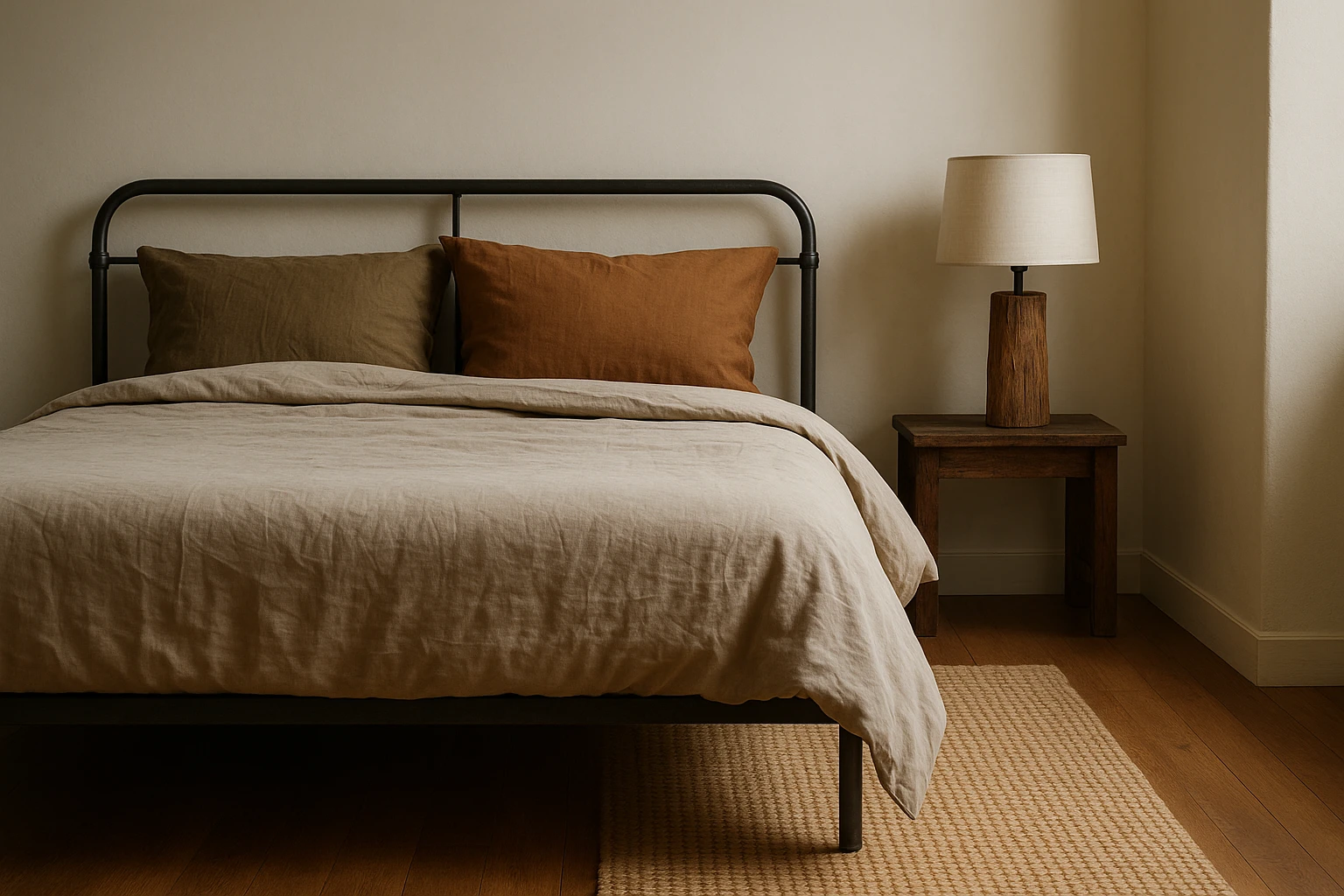
In the transition to sustainable alternatives, bamboo stands out for its remarkable properties. As a fast-renewing resource, bamboo matures within just 3–5 years—far quicker than many conventional hardwoods—and regenerates naturally without the need for replanting, preserving soil integrity and reducing deforestation pressures Wikipedia’s bamboo flooring research. Beyond rapid growth, bamboo requires minimal water and hardly any pesticides or fertilisers, and its deep root structure helps prevent erosion—a natural fit for eco-conscious households striving to reduce environmental strain environmental benefits report.
Real‑World Applications and Home Examples
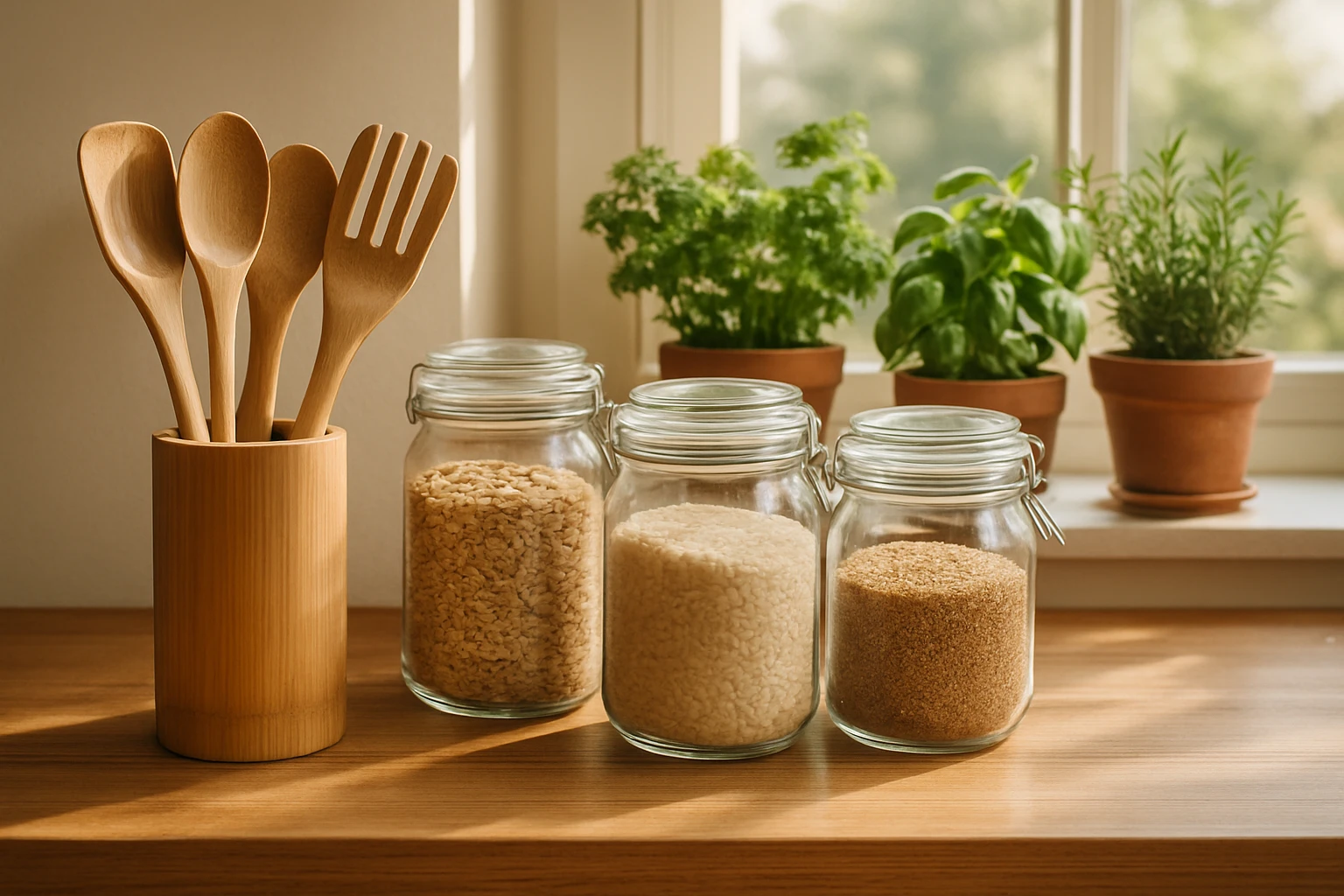
Bamboo’s versatility reveals itself across home settings—from kitchen utensils to towels. Reusable bamboo paper towels, for example, deliver lasting value: models like the Full Circle Tough Sheet showcase absorbency and durability comparable to single-use options while offering significant waste reduction and long-term savings Real Simple product tests. These real-world items help demonstrate how eco-friendly home products for a greener lifestyle: your guide to sustainable living can transition from idea to daily routine with genuinely functional tools.
Case Study: Engineered Bamboo in Construction
Beyond homeware, engineered bamboo exemplifies innovation in sustainable construction. Laminated bamboo and bamboo scrimber, regulated by ASTM standards, offer enhanced strength and shape retention, making them viable alternatives in low-load building applications such as paneling or temporary structures the engineered bamboo overview. One standout example is the Panyaden International School’s sports hall in Thailand, where prefabricated bamboo trusses support year-round usage while ensuring zero‑carbon footprint—proof that bamboo doesn’t compromise performance when used thoughtfully bamboo construction case studies.
Actionable Tips for Choosing Bamboo Products
- Prioritise bamboo products sourced under certification standards such as FSC to ensure sustainable harvesting practices and ethical supply chains.
- For textiles, seek out closed-loop or mechanical processing methods rather than chemically intensive viscose conversion, which can involve untreated wastewater and toxic byproducts—especially for those with sensitivities sustainability concerns in bamboo rayon manufacturing.
- Begin with easily replaceable items—such as toothbrushes, cloth towels or kitchen utensils—to transition smoothly without major investments or disruption.
- Consider end-of-life scenarios: as bamboo is biodegradable, ensure composting or eco‑friendly disposal, enhancing the circularity of your choices.
By selecting bamboo-based alternatives—whether in kitchen tools, linens, or even building materials—you weave sustainability into daily routines. This tangible commitment helps move eco-friendly home products for a greener lifestyle: your guide to sustainable living from concept to conscious, long-term habits.
Energy-Efficient Appliances
Choosing energy-efficient appliances is a crucial step towards reducing your ecological footprint at home. These appliances use less electricity and water, making them a wise investment for both the environment and your wallet. According to the Energy Saving Trust, replacing an old refrigerator with an A+++ rated model can save up to £190 over its lifetime. This is not just a financial saving; it is a significant reduction in energy consumption, promoting sustainability in everyday living.
Understanding Energy Ratings
Energy ratings are essential when selecting eco-friendly home products for a greener lifestyle: your guide to sustainable living. The European Union's energy label helps buyers understand how energy-efficient an appliance is. An A+++ rating indicates maximum efficiency, while a G rating represents low efficiency. As consumers become more conscious, selecting high-rated appliances is an actionable measure towards sustainable living. This choice mirrors the broader movement towards energy conservation, which is increasingly vital as we face global environmental challenges.
Specific Appliances and Their Impact
Consider investing in a high-efficiency washing machine that uses less water and energy per cycle. Brands such as Bosch and Samsung offer models with smart sensors and eco modes, reducing water usage by up to 50%. Similarly, opting for LED lighting over traditional bulbs can cut energy use by up to 80%, according to Carbon Trust. These small changes, when multiplied across a household, can lead to substantial savings and a reduced carbon footprint.
Incorporating Technology for Efficiency
Smart home technology can further optimise energy use. A smart thermostat, for example, learns your routines and adjusts the heating or cooling accordingly. This not only enhances comfort but also ensures energy is not wasted when it’s not needed. A study by Nature Energy found that households using smart thermostats reduced their heating energy use by about 12%. Embracing such technology makes sustainable living more attainable and effective.
Platforms such as Stomart offer a wide range of sustainable and energy-efficient products, making it easier for consumers to make informed choices. By integrating these choices into daily life, individuals not only contribute to a healthier planet but also cultivate a lifestyle of sustainability and responsibility. Embracing eco-friendly home products for a greener lifestyle: your guide to sustainable living transforms simple actions into meaningful contributions.
Maximising Savings Through Eco-Conscious Home Upgrades
Smart Heating and Insulation Improvements
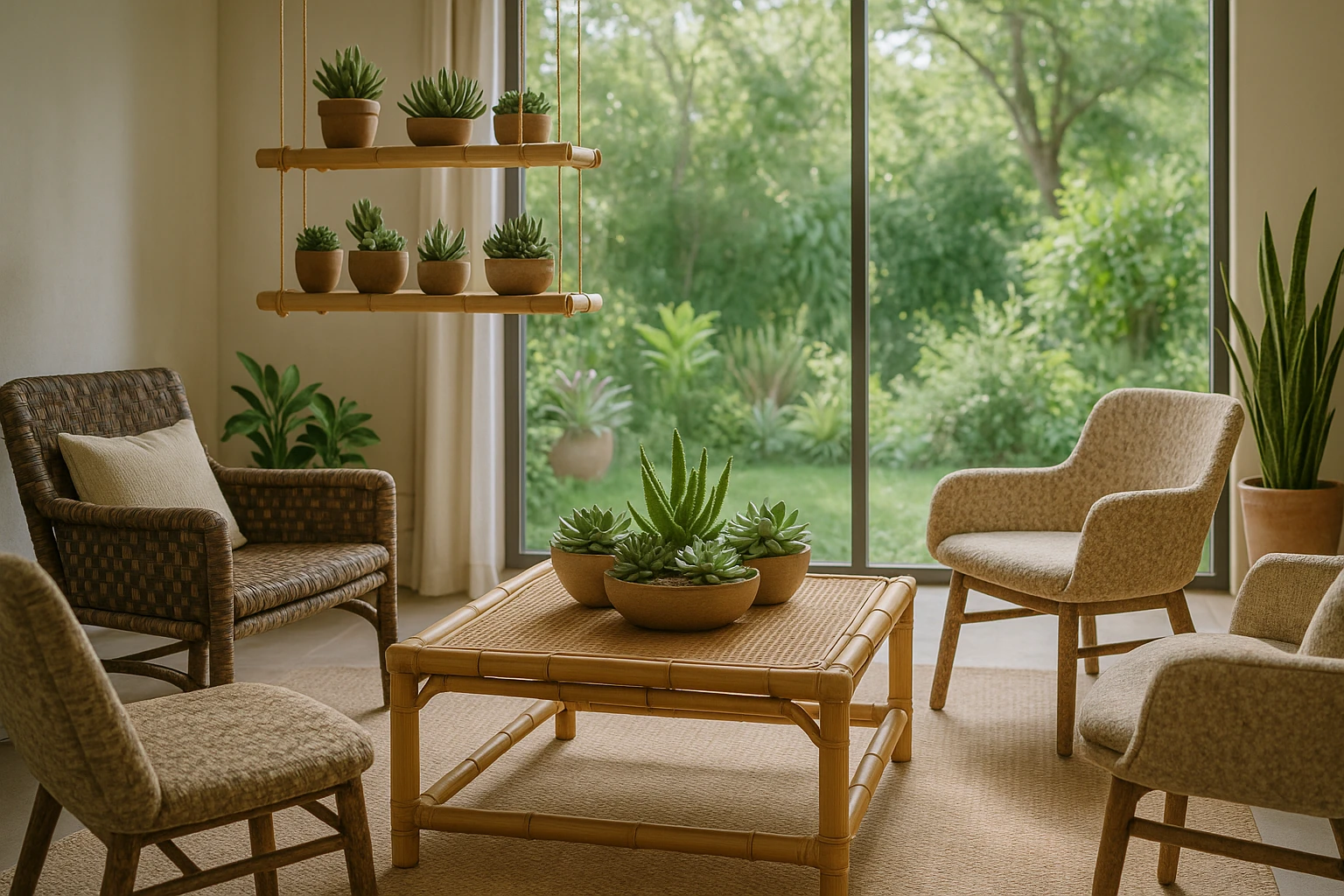
Adopting smart heating controls presents a practical first step in embracing eco-friendly home products for a greener lifestyle: your guide to sustainable living, combining convenience with measurable savings. For example, smart thermostats like Hive or Nest typically cost between £150–250 but can save homeowners around £75 annually on energy bills, often covering their cost in just over three years Homewise. Meanwhile, improving insulation is foundational to any green upgrade. Loft insulation alone can cut heating bills by approximately 20% for an average UK home, with an initial outlay of £300–400 yielding yearly savings of around £135 Homewise.
Renewable Energy Systems and Heat Pumps
Integrating renewable technologies can yield substantial long-term returns. Solar PV systems, for example, cost about £6,000 for a typical 4 kW installation, deliver roughly 3,500 kWh annually, and benefit from Smart Export Guarantee payments when surplus energy is exported Homewise. According to the Microgeneration Certification Scheme, a record 260,000 certified heat pumps, solar panels, or battery systems were installed in UK homes in 2024, indicating growing uptake of these efficient technologies The Times. Air source heat pumps can help homeowners reduce CO₂ emissions by around 2,900 kg annually, with running costs between £855 and £1,700 per year—offering a competitive alternative to older electric or oil boilers HSB Renewables.
Demand Trends and Financial Incentives
Trends show strong homeowner demand for eco-friendly upgrades. One in four UK homeowners undertook energy-efficient home improvements in 2022, with 45% doing so in 2023 according to Rated People’s Home Improvement Trends Report. The most sought-after upgrades include solar panels, insulation, and draught-proofing, driven by a desire to reduce bills and increase sustainability The Eco News. Government support schemes such as the Great British Insulation Scheme offer grants for eligible households—those in council tax bands A–D (or A–E in Scotland and Wales) with EPC ratings D or lower may receive measures that reduce energy bills by £300–400 per year Wikipedia / Government data.
Real-World Retrofit Success
A striking case involves a north London couple who transformed their 100‑year‑old terrace into a zero‑energy‑bill home, thanks to a deep retrofit that included triple glazing, airtight sealing, mechanical ventilation with heat recovery (MVHR), an air‑source heat pump, and solar panels. By 2024, the home produced more energy than it consumed, earning the homeowners a payment of £69 from their energy supplier—even while the average annual energy bill in similar UK homes stood at £1,849 The Times.
Together, these practical upgrades demonstrate the powerful synergy between cost savings and environmental stewardship, reinforcing the value of selecting high-quality, sustainable home improvements that align with your eco-friendly home products for a greener lifestyle: your guide to sustainable living.
Sustainable Materials That Make a Real Impact
Building on the practical upgrades covered earlier, introducing innovative sustainable materials offers tangible benefits for anyone seeking eco-friendly home products for a greener lifestyle: your guide to sustainable living. One compelling example is bamboo, a rapidly renewable resource. Bamboo reaches maturity in just 3–5 years, unlike hardwood trees which can take decades, and regenerates naturally from its root system—minimising soil erosion and environmental disruption HappyGro Eco happygroeco.com. Its strength rivals steel in tensile applications, and many products—from cutting boards to furniture—leverage bamboo’s longevity and antimicrobial nature to reduce both waste and health risks ECOTLAS ecotlas.com.
Beyond Bamboo: The Rise of Mycelium-based Solutions
Another remarkable advancement comes from Ecovative Design, which has pioneered mushroom-derived “MycoComposite” materials. These are grown from fungal mycelium combined with agricultural waste and can be shaped into packaging, insulation, or construction panels within just seven days. Importantly, the resulting material is fully compostable, offering a zero-waste alternative to synthetic components Ecovative Design en.wikipedia.org. Homeowners replacing conventional insulation or packaging with MycoComposite products can meaningfully reduce reliance on petroleum-based materials while boosting biodegradability in household items.
Community-driven Circular Solutions
Eco-conscious living also benefits from grassroots innovations like ecobricks—plastic bottles or containers tightly filled with non-biodegradable waste. In places such as Nicaragua’s Ometepe Island and New Mexico, communities have transformed waste management by using ecobricks for building rooms, benches, and community structures. These projects not only repurpose plastic effectively but spark grassroots economies and inspire sustainable habit changes Wikipedia (Ecobricks) en.wikipedia.org.
Putting It into Practice at Home
- Choose bamboo-based everyday items—such as utensils, paper products, or textiles—to enjoy durability and style while cutting plastic use.
- Consider mushrooms-grown composites for renovation projects like cabinetry or insulating panels, blending design with compostability.
- Engage in community initiatives like ecobricking to divert plastic waste from landfill and repurpose it into functional structures.
Incorporating these materials not only enhances the sustainability of your home, but also creates meaningful ripple effects in your neighbourhood and beyond—demonstrating how thoughtful choices lead to lasting, collective environmental benefits.
Eco-Friendly Cleaning Products
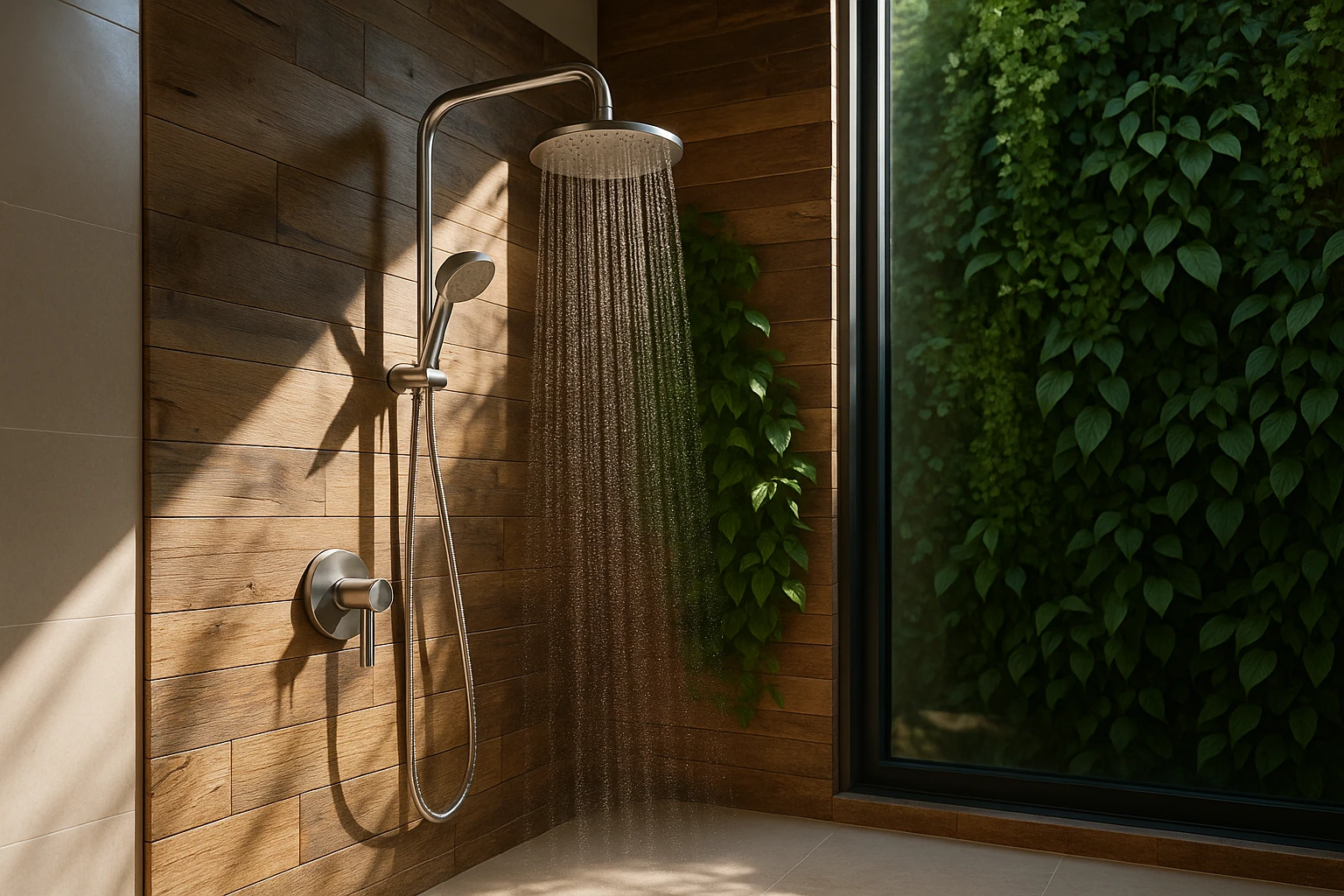
Transitioning to eco-friendly cleaning products in your home can significantly reduce your environmental footprint. Traditional cleaning agents often contain harsh chemicals that are harmful to both the environment and indoor air quality. Opting for natural alternatives not only supports a healthier home but also contributes to a greener planet. Brands like Seventh Generation and Method are renowned for their non-toxic cleaning solutions. These products break down quickly, minimising their impact on ecosystems.
Ingredients to Look For
When selecting eco-friendly cleaning products, focus on labels that list plant-based ingredients. Substances like vinegar, citric acid, and essential oils are effective cleaners. For example, vinegar's acetic acid helps cut through grease and grime, while essential oils such as tea tree offer natural antibacterial properties. According to Environmental Leader, the demand for natural cleaners has grown by 50% over the last five years, reflecting a shift towards more sustainable living practices.
DIY Cleaning Solutions
Creating your own cleaning products can be another effective way to maintain an eco-friendly home. Simple recipes can be concocted using common household items. For instance, a mixture of baking soda and water forms a paste that effectively cleans ovens without chemicals. Lemon juice acts as a natural bleach, offering a brightening effect on surfaces. This approach not only saves money but also ensures you're aware of every ingredient used in your cleaning routine.
Case Study: Real-Life Application
Consider the example of a family in Brighton who transformed their home cleaning routine by embracing eco-friendly practices. Initially sceptical about the effectiveness of natural products, they gradually replaced commercial cleaners with homemade solutions and saw substantial benefits. Their change not only improved indoor air quality but also reduced waste by cutting down on single-use plastic packaging. Such real-world applications demonstrate the achievable benefits of integrating eco-friendly home products for a greener lifestyle: your guide to sustainable living into everyday life.
Switching to eco-friendly cleaning solutions is a practical step towards achieving a more sustainable home environment. These changes not only enhance personal health but also contribute significantly to the global push for sustainability. For those interested in taking further action, exploring resources like Greenpeace UK can provide additional insights and guidance on living sustainably.
Practical Reusable Swaps That Reduce Waste
Continuing the journey toward sustainable living, it’s essential to consider the advantages of practical reusable swaps in your home. Research reveals that choosing a reusable coffee cup over single-use alternatives can reduce carbon emissions by up to 69%, with UK households potentially saving around 52,000 tonnes of CO₂e annually through this simple change Zero Waste Scotland. Likewise, the production and disposal of disposable wipes has a dramatically higher ecological footprint—up to 40 times that of reusable cloths—highlighting substantial opportunities for waste and resource reduction ClimatePartner study.
Kitchen and Cleaning Essentials
Beyond cups and cloths, other everyday items offer high-impact, eco-conscious swaps. For example, replacing cling film with beeswax wraps significantly reduces plastic waste—over 1.2 billion metres of cling film are discarded annually in the UK alone The Green Co.. Swapping disposable sponges and wipes for reusable, compostable cellulose cloths further cuts down microplastic pollution and landfill burden The Green Co..
Broader Reusable Strategies
Adopting systemic reusable solutions can scale up environmental benefits even further. A 2025 study by GoUnpackaged estimates that achieving a 30% reuse rate across UK grocery retail could cut CO₂e emissions, materials use, and waste by 95%, while delivering annual system cost savings between £314 million and £577 million—offering both ecological gains and economic efficiency Plastic Pollution Coalition.
Integrating Reusable Solutions into Daily Life
- Start by replacing everyday items like cling film, sponges, and coffee cups with durable alternatives that offer ongoing utility and lower environmental cost.
- Track reduced waste and savings—seeing tangible impact can motivate further sustainable choices.
- Consider community-level involvement in reuse programmes: systems such as household or municipal collection can magnify benefits beyond individual households Plastic Pollution Coalition.
These substitutions resonate with the broader ethos of eco-friendly living and reinforce the recommendations given earlier in this guide. Thoughtful transitions toward reusable household products can reshape consumption patterns and align with your aspirations for eco-friendly home products for a greener lifestyle: your guide to sustainable living, empowering you to make choices that are both practicable and planet-positive.
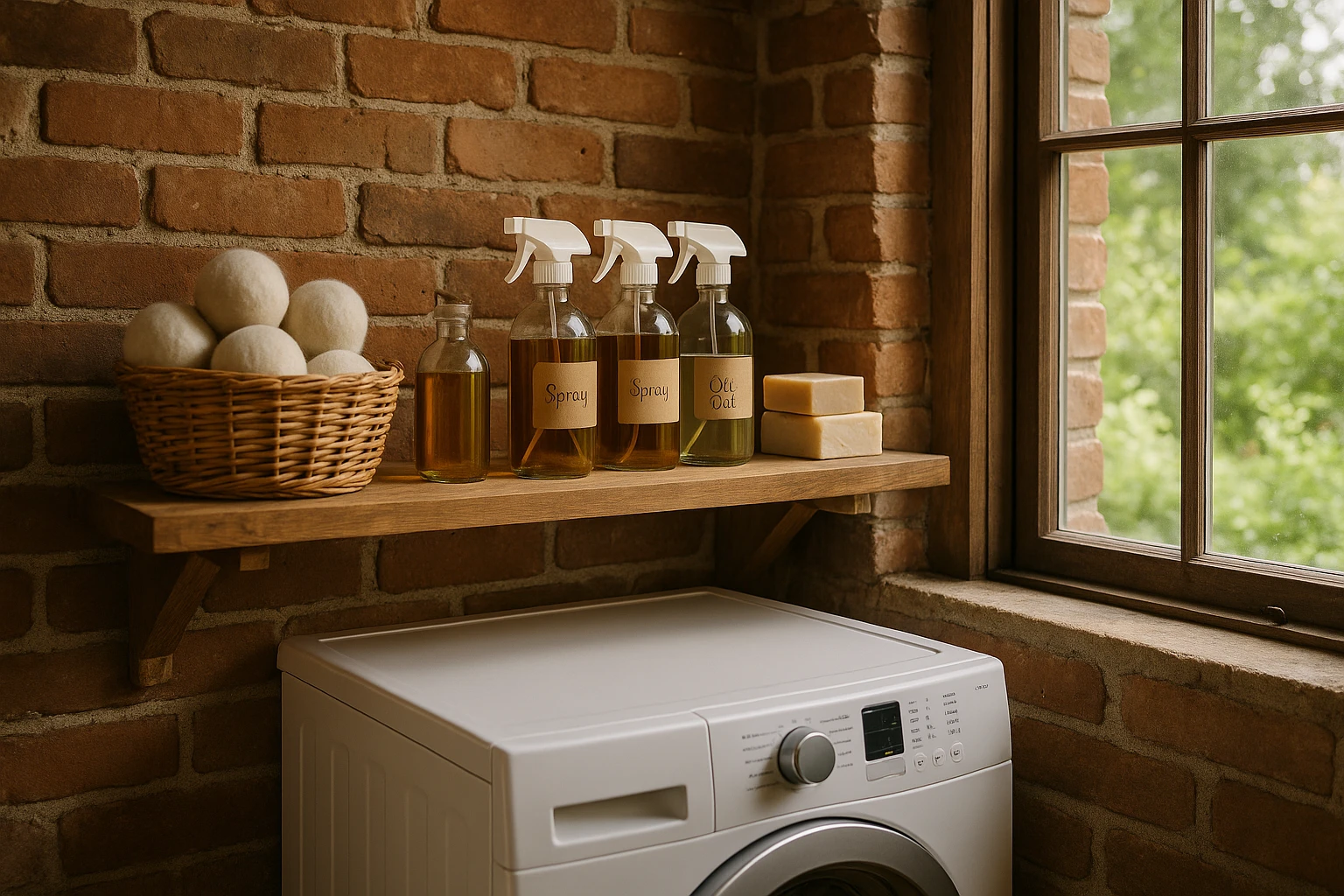
Embracing Sustainable Cleaning: Health, Environment, and Real-World Impact
Bringing together healthier lives and greener homes, eco-friendly home products for a greener lifestyle: your guide to sustainable living spotlights sustainable cleaning as a powerful tool. Modern research shows that traditional cleaning products often emit hundreds of volatile organic compounds (VOCs), which can irritate the respiratory system and even carry carcinogenic risks health.com. Opting for certified green, fragrance‑free cleaners can halve both total and hazardous VOC emissions, significantly improving indoor air quality.
Concrete Health Improvements
Households reducing VOC exposure have reported fewer headaches, less irritation, and reductions in respiratory issues. One 2018 study demonstrated a 30 % decrease in health-related symptoms—like eye and throat irritation—in environments using eco‑friendly cleaning products ecoflip.org. Selecting certified products is especially vital for vulnerable groups, including children, expectant mothers, and those with asthma.
Minimising Microplastics and Water Pollution
Beyond air quality, conventional cleaning products often contribute to microplastic pollution via detergent pods, synthetic scrubbers, and surface wipes washingtonpost.com. Safe alternatives include biodegradable formulations, powder or liquid detergents, and natural tools like loofahs or wool dryer balls—each reducing microplastic shedding and packaging waste.
Eco-Proofing Through Simple Swaps
- Switch to eco‑certified concentrates in refillable packaging to curb plastic waste and carbon emissions from transportation theguardian.com.
- Use natural cleaning agents such as vinegar, baking soda, and plant-based surfactants, which match traditional cleaners in effectiveness greengoodsgallery.com.
- Choose sustainable tools—biodegradable sponges, wooden brushes, Swedish dishcloths—to enhance durability and reduce landfill contributions theguardian.com.
Real‑Life Benefits and Broader Impacts
Practical applications in everyday homes validate these choices. Families often notice fewer allergy or asthma triggers and significantly improved indoor comfort when switching cleaning routines to eco-friendly alternatives. In addition, reducing reliance on ventilation systems—thanks to lower VOC emissions—can translate into energy savings and reduced heating or cooling loads ecoflip.org.
By embracing thoughtful swaps—like eco-certified, low-VOC cleaners and biodegradable tools—you not only enhance well-being at home but also contribute to protecting waterways, lowering waste, and fostering demand for transparent, sustainable products. This holistic approach enriches both lives and the planet—truly exemplifying sustainable living in action.
Conclusion: Embrace Sustainable Living
As we reach the conclusion of our exploration into eco-friendly home products for a greener lifestyle: your guide to sustainable living, it's clear that sustainable choices can have a profound impact. By integrating these products into your daily routine, you are not only reducing your carbon footprint but also paving the way for innovative solutions that benefit everyone.
Key Takeaways and Next Steps
Transitioning to a sustainable lifestyle might seem daunting at first, but small, consistent changes are key. Start by incorporating products that have minimal environmental impact, such as biodegradable cleaning supplies and energy-efficient appliances. According to a study by the Energy Saving Trust, switching to energy-efficient appliances could save the average household up to £300 per year on bills [Energy Saving Trust].
Moreover, engaging in practices like composting and using sustainable materials in home renovations can significantly lower household waste. The Environmental Protection Agency notes that composting can reduce household waste by up to 30% [EPA]. These actions not only contribute to a healthier planet but also nurture a more holistic and conscious way of living.
Actionable Insights: Building a Greener Future
For those eager to dive deeper into sustainable living, exploring community-supported agriculture (CSA) programmes and local farmers' markets can bolster eco-friendly habits. Similarly, choosing retrofitting projects that enhance energy efficiency is cost-effective and supports local economies. By 2030, the UK aims to have smart energy solutions in every home to promote sustainable energy usage [UK Government].
Investing in renewable energy sources, like solar panels, is another powerful step. Not only do these reduce electricity costs, but they also provide a cleaner power source, aligning with the global push towards net-zero emissions. Initiatives like these represent critical pathways towards a sustainable future.
Empowering Your Sustainable Life
For those inspired to make a change, the journey toward sustainability begins at home. Consider using resources like Stomart for expert advice and sustainable product options. Their wide array of eco-friendly choices can simplify the transition and provide the necessary tools to start living greener.
Ultimately, adopting eco-friendly home products is not just a personal triumph but a collective step towards a sustainable future. With every choice made, you not only contribute positively to the environment but also inspire others to follow suit, creating a ripple effect for global change.