

Noise Reduction – Enhancing Peace at Home
on Dec 30, 2025More than half of British urban homeowners say unwanted noise disrupts their daily peace, leaving many frustrated and searching for effective solutions. Noise reduction for a peaceful home is no longer a luxury when city living brings constant traffic, construction, and neighbour sounds that make true comfort feel out of reach. This guide provides clear, practical insights to help you reduce noise and create a quieter, more restful living space before making your next online purchase.
Key Takeaways
| Point | Details |
|---|---|
| Understanding Noise Reduction | Noise reduction is a complex process that involves advanced techniques for minimising unwanted sound rather than merely making environments quieter. |
| Types of Solutions | Effective noise management combines primary and secondary techniques, including both architectural modifications and technological interventions to control sound propagation. |
| Urban Noise Control | Urban environments require tailored strategies, using both passive and active methods to create comfortable living spaces amidst noise disturbances. |
| Cost-Benefit Analysis | Evaluating the costs and potential risks of noise reduction technologies is essential, as effectiveness can vary widely based on environmental factors and implementation scale. |
Noise Reduction Defined And Common Misconceptions
Noise reduction represents a sophisticated process of eliminating unwanted sound disturbances from our living environments. Scientific approaches to noise management reveal that noise is far more complex than merely an audible annoyance. It encompasses intricate signal processing techniques designed to clean audio signals and minimise disruptive background sounds.
Traditionally, people misunderstand noise reduction as simply making things quieter. However, professional noise management involves comprehensive strategies that address multiple acoustic dimensions. Noise sources are multifaceted, ranging from urban traffic and industrial machinery to domestic appliances and neighbourhood activities. Regulatory frameworks worldwide recognise noise pollution as a significant environmental and health concern, establishing maximum permissible sound levels to protect public well-being.
Understanding noise reduction requires recognising its technical complexity. Advanced algorithms categorise noise reduction techniques into three primary methods:
- Filtering techniques: Remove specific frequency ranges
- Spectral restoration: Reconstruct degraded sound signals
- Model-based methods: Predict and counteract noise patterns
Each technique offers unique advantages for different acoustic environments, whether managing industrial soundscapes or creating peaceful home settings. Technological innovations continue to refine these approaches, making noise reduction increasingly precise and effective.
Pro tip: Invest in high-quality sound-absorbing materials like dense curtains, acoustic panels, and rubber underlays to create immediate noise reduction in your living spaces.
Major Types Of Noise Reduction Solutions
Noise reduction solutions encompass diverse strategies designed to minimise sound disturbances across different environments. Professionals categorise these techniques into multiple approaches, each targeting specific acoustic challenges and addressing unique sound management requirements.
Primary Noise Reduction focuses on preventing noise generation directly at its source. Comprehensive noise mitigation strategies involve strategic construction and design measures that interrupt sound waves before they propagate. These methods include:
- Architectural design modifications
- Strategic equipment placement
- Using sound-dampening construction materials
- Implementing mechanical vibration isolation systems
Secondary Noise Reduction techniques control noise transmission and radiation after initial sound generation. These methods involve sophisticated interventions such as:
- Physical sound barriers
- Acoustic absorption panels
- Active noise control technologies
- Specialised sound-blocking enclosures
Advanced noise reduction solutions also incorporate technological innovations like digital signal processing algorithms and adaptive noise cancellation systems. These cutting-edge approaches analyse sound patterns in real-time, dynamically reducing unwanted acoustic interference across residential, industrial, and commercial settings.
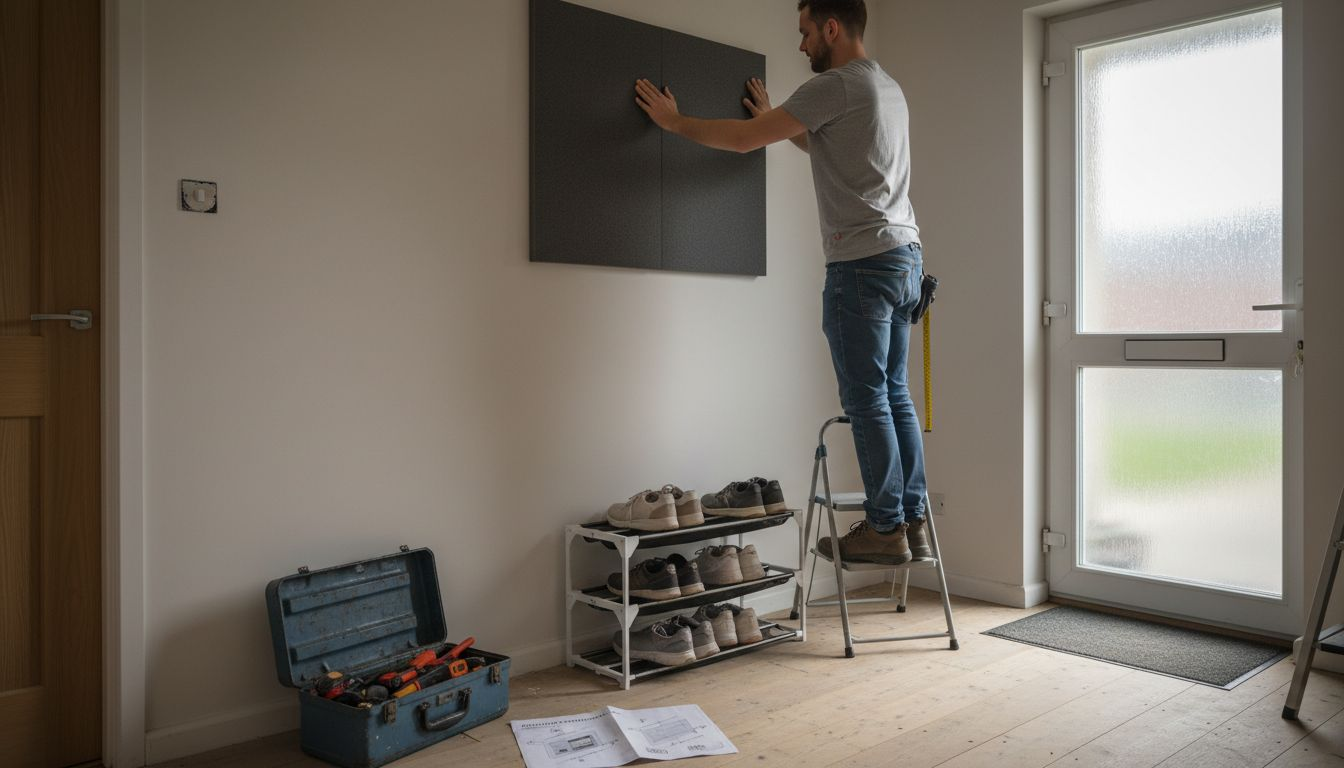
Pro tip: Combine multiple noise reduction techniques for optimal sound management, recognising that no single solution provides comprehensive acoustic control.
How Noise Reduction Works In Urban Homes
Noise management in urban residential environments requires a strategic approach addressing multiple acoustic challenges unique to city living. Urban homes constantly battle sound intrusions from diverse sources including traffic, construction, neighboring residences, and industrial activities, making sophisticated noise reduction techniques essential for maintaining comfortable living spaces.
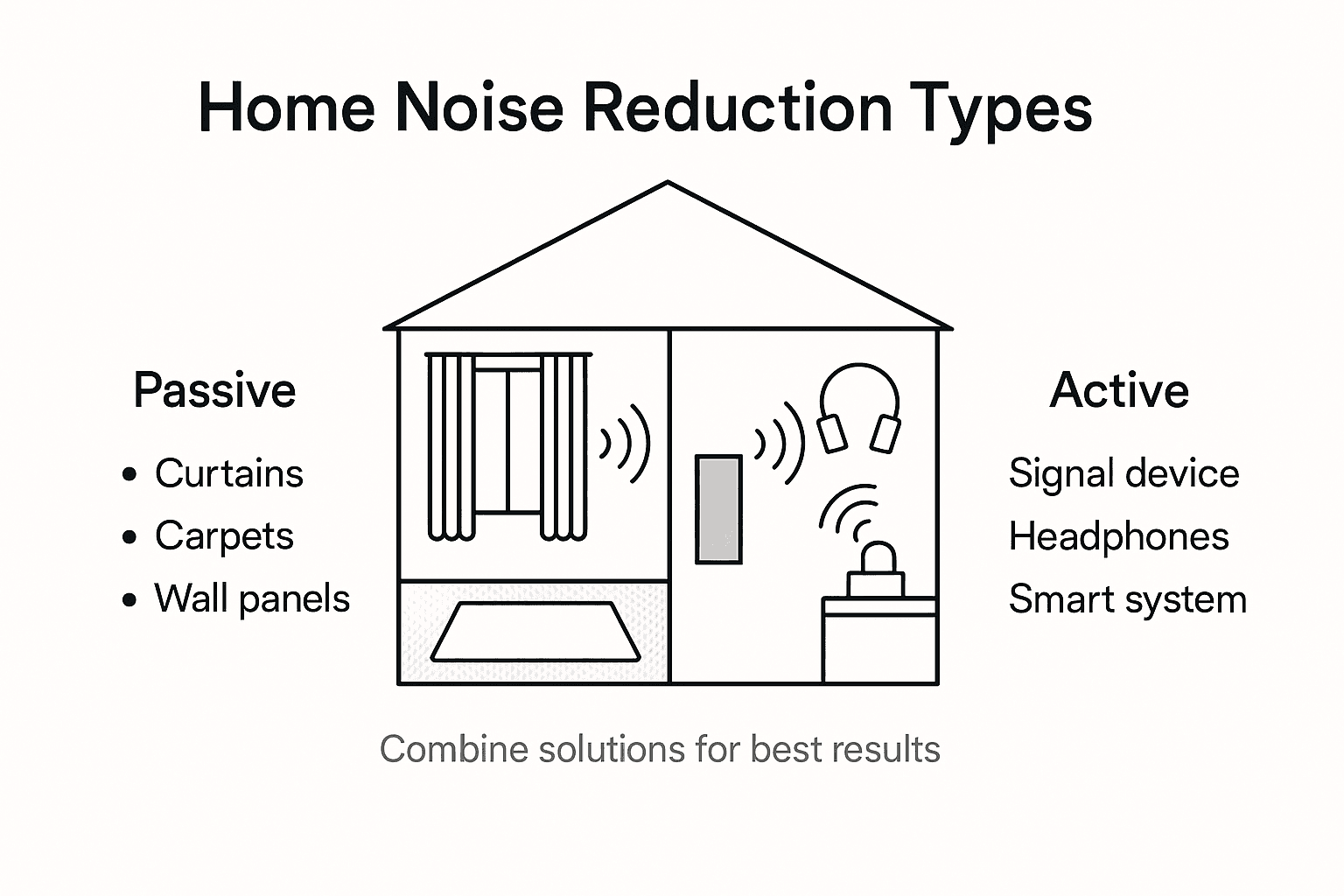
Urban noise reduction strategies typically incorporate two primary methodological approaches: passive and active noise control. Passive techniques focus on architectural and material interventions that prevent sound transmission, such as:
- Installing double-glazed windows
- Using dense insulation materials
- Creating acoustic buffer zones within living spaces
- Implementing sound-absorbing wall coverings
- Strategically positioning furniture to block noise pathways
Active noise reduction technologies complement passive methods by employing advanced electronic systems that detect and counteract sound waves. These sophisticated solutions use real-time acoustic analysis to generate anti-noise signals, effectively neutralising unwanted background sounds. Modern urban homes increasingly integrate smart noise-cancelling technologies into their design, transforming living environments into peaceful sanctuaries amidst bustling city landscapes.
Here’s a comparison of passive and active noise control methods for urban homes:
| Approach | Primary Mechanism | Typical Applications | Key Advantage |
|---|---|---|---|
| Passive Noise Control | Physical barriers and materials | Windows, walls, insulation | No power required |
| Active Noise Control | Electronic anti-noise generation | Smart speakers, headphones | Dynamic sound adaptation |
Understanding urban acoustic dynamics requires recognising that noise reduction is not about complete silence, but creating balanced, comfortable soundscapes. Homeowners must consider factors like building construction, geographical location, and specific neighbourhood characteristics when developing comprehensive noise management strategies.
Pro tip: Conduct a professional acoustic assessment of your home to identify specific noise entry points and develop targeted noise reduction interventions.
Practical Applications For Everyday Living
Noise reduction strategies for everyday environments encompass a holistic approach to creating more peaceful and comfortable living spaces. Individuals can implement targeted techniques across different areas of their homes and daily routines to minimise acoustic disruptions and enhance overall well-being.
In residential settings, practical noise reduction involves multiple strategic interventions:
- Selecting sound-absorbing furniture and textiles
- Installing acoustic ceiling tiles
- Using heavy curtains with sound-dampening properties
- Positioning rooms strategically to minimise external noise exposure
- Implementing soft flooring materials like carpets and rugs
Workplace and home environments benefit significantly from advanced noise management technologies, such as electronic sound-masking systems. These sophisticated solutions generate background sounds that neutralise disruptive noises, creating more balanced acoustic environments. Modern noise reduction approaches go beyond simple soundproofing, focusing on creating harmonious soundscapes that support mental clarity and reduce stress.
Technology now offers innovative solutions for personalised noise control. Smart home devices with acoustic monitoring capabilities can automatically adjust sound levels, while wearable noise-cancelling technologies provide individual sound management. These advancements empower individuals to take precise control over their auditory experiences, transforming how we interact with sound in our daily lives.
Pro tip: Experiment with different sound-absorbing materials and strategic room layouts to create personalised noise reduction zones within your living space.
Risks, Limitations, And Cost Considerations
Noise reduction technologies present complex challenges that extend beyond simple acoustic management, requiring careful evaluation of potential risks, technological limitations, and financial investments. Homeowners and professionals must navigate a nuanced landscape of acoustic solutions that balance effectiveness with practical constraints.
The primary risks associated with noise reduction technologies include:
- Potential signal distortion during aggressive noise processing
- Unintended acoustic alterations affecting sound quality
- Performance variations based on environmental conditions
- Technological compatibility challenges
- Unexpected interaction between different noise control systems
Cost considerations represent another critical dimension of noise reduction strategies. Interventions range from economical passive solutions to sophisticated active noise control systems, with pricing influenced by several key factors:
A summary of factors affecting noise reduction system costs and effectiveness:
| Factor | Impact on Cost | Impact on Effectiveness |
|---|---|---|
| Acoustic complexity | Greater cost | More challenging to optimise |
| Technology sophistication | Increased investment | Enables advanced sound control |
| Scale of implementation | High installation fees | Broader noise coverage |
| Professional expertise | Raises project cost | Improves overall results |
- Complexity of acoustic environment
- Technology sophistication
- Scale of implementation
- Materials required
- Professional installation needs
Technological limitations can significantly impact noise reduction effectiveness. Some advanced systems struggle with dynamic acoustic environments, particularly those with rapidly changing sound profiles. Low-frequency noise remains particularly challenging to manage, often requiring multilayered approaches that combine different noise reduction technologies.
Pro tip: Request comprehensive acoustic assessments and obtain multiple quotes to understand the precise cost-benefit ratio of different noise reduction interventions for your specific environment.
Discover Effective Noise Reduction Solutions for Your Home Today
The challenge of managing unwanted sound disturbances in urban homes can feel overwhelming. Whether it is traffic noise, construction sounds, or noisy neighbours, achieving a peaceful living space requires practical strategies like sound-absorbing materials, acoustic panels, and smart noise control technologies. This article highlights how noise reduction is not just about silence but about creating balanced and comfortable environments that protect your well-being.
At Stomart.co.uk, we understand your need for reliable and innovative home goods that support these goals. Our extensive range includes high-quality curtains, rugs, and acoustic accessories designed to reduce noise and enhance your space. Don’t wait for the noise to get worse. Explore our variety of home essentials tailored for noise control and experience the difference now. Start your journey to a quieter home by visiting Stomart.co.uk and discover practical products that make peace a reality.
Frequently Asked Questions
What are the main types of noise reduction techniques?
Noise reduction techniques are primarily categorised into three methods: filtering techniques, which remove specific frequency ranges; spectral restoration, which reconstructs degraded sound signals; and model-based methods, which predict and counteract noise patterns.
How can I reduce noise in my urban home?
To reduce noise in urban homes, consider both passive and active noise control methods. Passive techniques include installing double-glazed windows and using dense insulation materials, while active methods utilise electronic systems to generate anti-noise signals, effectively neutralising unwanted sounds.
What are the benefits of using sound-absorbing materials?
Sound-absorbing materials, like heavy curtains or acoustic panels, help to minimise sound disturbances by absorbing sound waves, reducing echo, and thereby enhancing overall acoustic comfort in your living environment.
What factors affect the cost of noise reduction solutions?
The cost of noise reduction solutions is influenced by several factors including the complexity of the acoustic environment, the sophistication of the technology used, the scale of implementation, the materials required, and whether professional installation is needed.
Recommended
- Reduce Stress & Boost Relaxation - STOMART.CO.UK
- Cosy Corner for Meditation and Relaxation - STOMART.CO.UK
- DIY Fixes for Common Tech Issues - STOMART.CO.UK
- Portable Sleep Therapy Device - STOMART.CO.UK
- Dog Safety for Families – Enhancing Trust and Security
- Diesel Engine Noise Reduction: Effective Solutions for 2025 – My WordPress