

What Is Cold Brew Coffee and Its Everyday Appeal
on Dec 16, 2025
Most British coffee shops have seen a surge in cold brew choices, yet few customers realize that cold brew coffee can be up to 67 percent less acidic than traditional hot brews. This gentle approach appeals to those seeking smoother flavour and less stomach irritation, especially for the growing number of British coffee enthusiasts. Discover what sets cold brew apart, what myths still linger, and why this chilled method creates a mellower cup that stands out across Britain’s vibrant coffee culture.
Key Takeaways
| Point | Details |
|---|---|
| Cold Brew Preparation | Cold brew involves steeping coarsely ground coffee in cool water for 12-24 hours, resulting in a smoother, less acidic beverage compared to traditional hot coffee. |
| Flavour Profile Differences | Cold brew generally has a milder flavour with more nuanced characteristics, whereas hot coffee can have bolder and more bitter notes due to rapid extraction. |
| Health Benefits | Cold brew coffee may be easier on the stomach with lower acidity and potentially higher antioxidant stability, making it a suitable choice for those with sensitivity to acidity. |
| Serving Variations | There are numerous ways to serve cold brew, including diluted with water, over ice, or mixed with milk, providing flexibility to suit personal preferences. |
Cold Brew Coffee Defined and Debunked
Cold brew coffee represents a distinctive brewing technique that transforms traditional coffee preparation into a smooth, less acidic experience. Coffee enthusiasts define cold brew as a method involving steeping coffee grounds in cool or room temperature water for an extended period, typically between 12 to 24 hours.
Unlike traditional hot brewing methods that extract flavours rapidly through heat, cold brew involves a patient, gradual extraction process. By steeping coarsely ground coffee beans in cool water for 12–18 hours, the result is a concentrated coffee essence that differs significantly from standard hot brewed varieties. This prolonged immersion allows for a gentler extraction, reducing the bitter compounds and acidic notes typically associated with hot coffee.
The unique preparation method yields several distinctive characteristics. Cold brew coffee tends to be:
- Significantly smoother in taste
- Less acidic compared to traditional brewing
- More concentrated, often requiring dilution before serving
- Capable of highlighting nuanced flavour profiles
Pro Tip for Coffee Lovers: Experiment with different coffee bean origins and grind sizes to discover your perfect cold brew profile, remembering that coarser grinds typically produce a cleaner, less bitter concentrate.
Understanding the Science
The magic of cold brew lies in its temperature-based extraction. By removing heat from the equation, coffee grounds release their flavours more slowly and selectively. This means fewer tannins and bitter compounds make their way into the final drink, resulting in a remarkably mellow beverage that showcases the bean’s inherent characteristics.
Cold brew isn’t just a trendy drink - it’s a sophisticated brewing method that offers coffee lovers an entirely different sensory experience. Whether you prefer it straight, over ice, or mixed with milk, cold brew provides a refreshing alternative to traditional hot coffee preparations.
Pro Tip for Home Brewers: Use filtered water and maintain a consistent coffee-to-water ratio (typically 1:4 or 1:5) for consistently excellent cold brew results.
How Cold Brew Differs From Regular Coffee
Cold brew and regular hot coffee might seem similar at first glance, but they represent fundamentally different approaches to extracting flavour from coffee beans. Scientific research reveals significant chemical variations between these two brewing methods, highlighting crucial differences that impact taste, acidity, and overall sensory experience.
The primary distinction lies in the extraction process. Hot brewing involves rapidly passing near-boiling water through ground coffee, typically taking just a few minutes. This quick, high-temperature method aggressively pulls out coffee compounds, resulting in a beverage with sharp, sometimes bitter notes. In contrast, cold brew employs a slow, gentle extraction at room temperature or cooler, which produces a markedly different flavour profile.
Key differences between cold brew and regular coffee include:
- Extraction time (cold brew: 12-24 hours; hot brew: minutes)
- Acidity levels (cold brew: significantly lower)
- Flavour complexity (cold brew: smoother, more nuanced)
- Caffeine concentration (cold brew: typically more concentrated)
The temperature and duration of brewing fundamentally alter the chemical composition of the coffee. Hot water quickly releases acids, oils, and bitter compounds, whereas cold water extracts more slowly, resulting in a drink that’s:
- Less acidic
- Smoother
- Often described as more mellow
- Capable of highlighting subtle flavour notes
Pro Tip for Coffee Enthusiasts: When comparing cold brew to regular coffee, experiment with different bean origins and roast levels to understand how brewing method impacts the final taste experience.
Interestingly, the chemical differences extend beyond just taste. Cold brewing can actually preserve more of the coffee’s original flavour compounds, creating a drink that more authentically represents the bean’s inherent characteristics. This makes cold brew particularly appealing to those who appreciate nuanced, refined coffee experiences.
Pro Tip for Home Brewers: For the most authentic cold brew experience, use freshly roasted, coarsely ground beans and filter water, allowing the natural flavours to shine through without additional bitterness.
Here is a concise comparison of cold brew and regular hot coffee methods:
| Factor | Cold Brew Coffee | Hot Brew Coffee |
|---|---|---|
| Extraction Time | 12–24 hours, slow and gentle | 3–5 minutes, rapid and hot |
| Main Taste Profile | Smooth, subtle, less acidic | Bold, sometimes bitter, more acidic |
| Caffeine Delivery | Typically more concentrated | Diluted, lower by volume |
| Ideal Serving Style | Over ice, with milk or neat | Hot, plain or with milk/sugar |
| Longevity | Lasts several days refrigerated | Best consumed fresh immediately |
Brewing Process and Key Ingredients
Cold brew preparation is a meticulous process that transforms simple ingredients into a complex, flavourful beverage. The brewing technique involves an extended steeping method where coarsely ground coffee beans are immersed in room-temperature or cool water for 12–18 hours, creating a unique extraction process unlike traditional brewing methods.
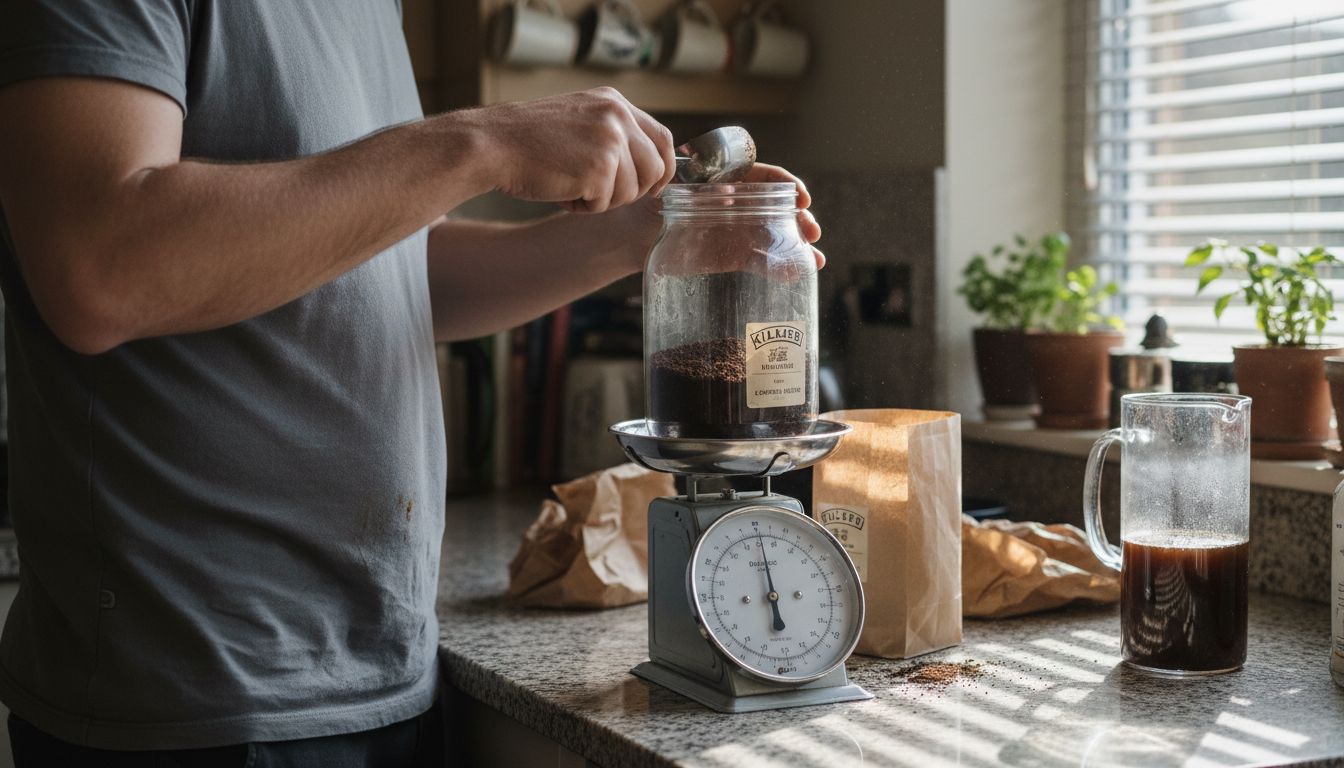
Scientific research highlights the distinctive nature of cold brewing, which relies on prolonged water-grind contact at low temperatures. This gentle approach produces a remarkably smooth and mild flavour profile that distinguishes cold brew from its hot-brewed counterparts.
Essential ingredients for crafting the perfect cold brew include:
- High-quality, freshly roasted coffee beans
- Coarsely ground coffee (crucial for proper extraction)
- Filtered water
- Large brewing container
- Fine-mesh strainer or specialised cold brew filter
- Optional: Additional flavourings like vanilla or cinnamon
The brewing process requires careful attention to several critical steps:
- Select whole beans with robust flavour profiles
- Grind beans to a coarse consistency
- Combine coffee grounds with filtered water
- Steep at room temperature for 12-18 hours
- Strain thoroughly to remove all ground particles
- Dilute concentrate as needed before serving
Water Quality Matters
The water used in cold brew is arguably as important as the coffee beans themselves. Filtered water eliminates impurities that could interfere with the delicate extraction process, ensuring a clean, pure flavour profile. Tap water often contains minerals and chlorine that can negatively impact the final taste, making filtered water a non-negotiable ingredient for serious cold brew enthusiasts.
Temperature and time play pivotal roles in cold brew extraction. Unlike hot brewing, which rapidly pulls out bitter compounds, cold brewing allows for a gentler, more nuanced flavour development. The extended steeping period enables a slow, methodical extraction that captures the bean’s most delicate flavour notes without introducing excessive bitterness or acidity.
Pro Tip for Home Brewers: Experiment with coffee-to-water ratios between 1:4 and 1:5 to find your perfect strength, remembering that cold brew concentrate can be diluted to taste with water, milk, or ice.
Pro Tip for Flavour Enthusiasts: Consider rotating between different bean origins and roast levels to discover unique flavour combinations that highlight the versatility of cold brew preparation.
Taste, Strength and Serving Variations
Scientific research reveals fascinating insights into cold brew’s unique sensory profile, highlighting its distinctive taste characteristics that set it apart from traditional coffee preparations. The brewing method produces a beverage with heightened fruitiness and substantially reduced bitterness, creating a more nuanced flavour experience.
Caffeine Concentration plays a crucial role in cold brew’s appeal. Unlike traditional iced coffee, cold brew typically boasts a higher caffeine content, which can vary depending on specific brewing ratios and preparation techniques. This makes it an attractive option for those seeking a more potent coffee experience.
Serving variations for cold brew are wonderfully diverse, offering something for every palate:
- Classic concentrate (diluted with water)
- Served over ice
- Mixed with milk or alternative milk options
- Blended with flavoured syrups
- Transformed into coffee cocktails
- Used as a base for frozen desserts
Key taste characteristics of cold brew include:
- Smoother mouth feel
- Reduced acidity
- More pronounced natural coffee sweetness
- Enhanced fruit and chocolate undertones
- Less tannic aftertaste
Strength Considerations
Cold brew’s strength is primarily determined by the coffee-to-water ratio during brewing. A typical concentration ranges from 1:4 to 1:5, allowing significant flexibility for personal preference. Enthusiasts can adjust the ratio to create anything from a light, refreshing drink to an intense, almost espresso-like concentrate.
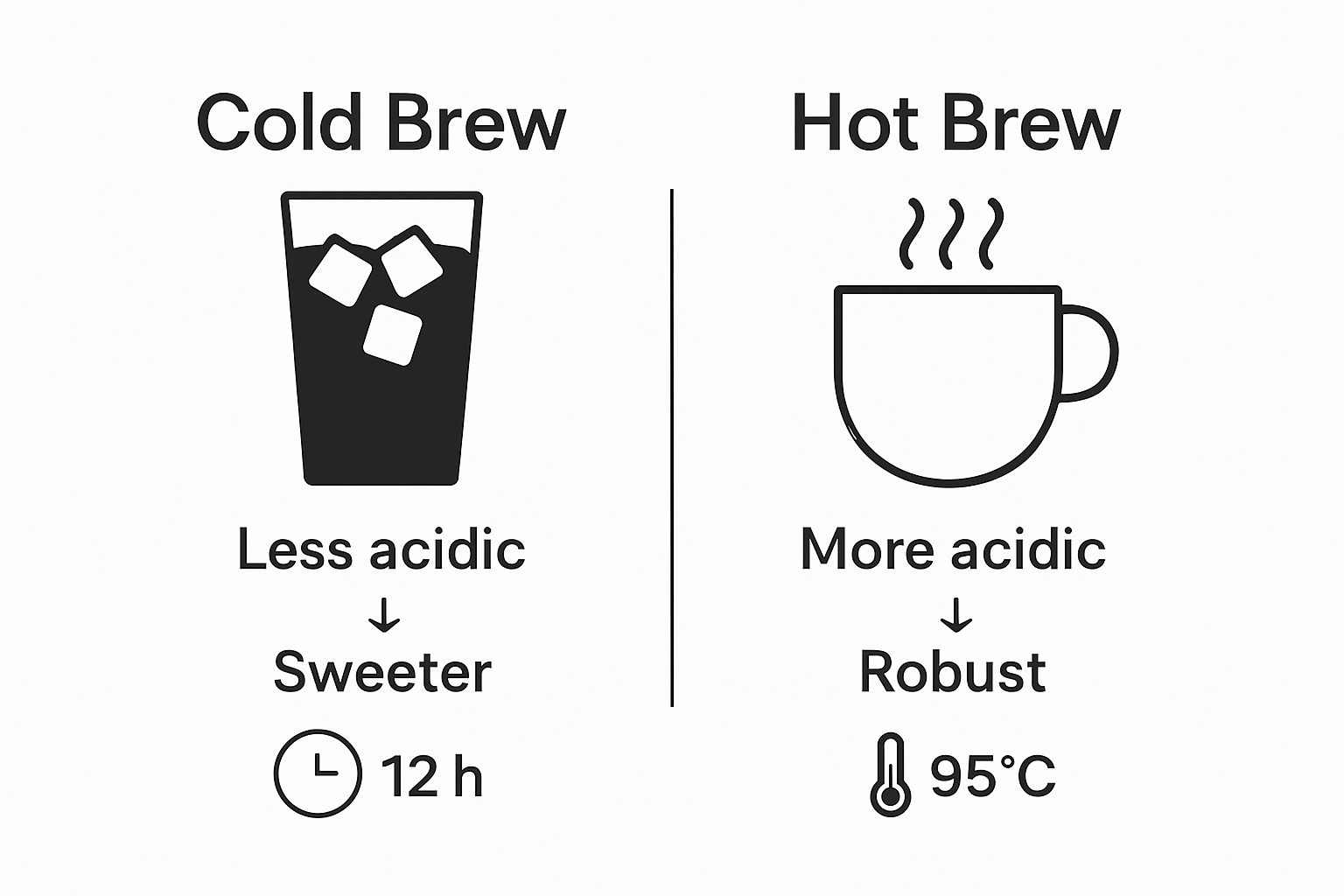
The temperature and duration of brewing fundamentally influence the final flavour profile. Longer steeping times and cooler temperatures extract different compounds compared to hot brewing, resulting in a more mellow, rounded taste that many coffee lovers find exceptionally appealing.
Pro Tip for Coffee Experimenters: Start with a standard 1:4 coffee-to-water ratio and gradually adjust to find your perfect strength, remembering that cold brew concentrate can always be diluted with water, milk, or ice.
Pro Tip for Flavour Adventurers: Experiment with different bean origins and roast levels to discover unique flavour profiles, as cold brew beautifully showcases the nuanced characteristics of various coffee beans.
Health Considerations and Common Pitfalls
Scientific research highlights important nutritional nuances surrounding cold brew coffee, revealing that its chemical composition differs significantly from traditional hot brewed coffee. The unique extraction method produces a beverage with lower acidic compound concentrations and potentially modified antioxidant properties, which can have interesting implications for individual health profiles.
Microbial Considerations are critically important in cold brew preparation. Specific hygiene protocols become paramount due to the lack of heat-based sterilisation, which means brewers must exercise extra caution to prevent potential bacterial contamination. The extended room-temperature steeping process can create an environment conducive to microbial growth if proper precautions are not implemented.
Common health considerations for cold brew enthusiasts include:
- Potentially higher caffeine concentration
- Lower acid levels compared to hot coffee
- Potential digestive benefits for sensitive stomachs
- Reduced risk of acid reflux
- More stable antioxidant compounds
Potential brewing pitfalls to avoid:
- Using unfiltered water
- Storing brew beyond recommended timeframes
- Failing to clean brewing equipment thoroughly
- Not refrigerating concentrated brew
- Overlooking ingredient quality
Caffeine and Nutrition
Cold brew’s concentrated nature means caffeine levels can be substantially higher than traditional coffee. While this might appeal to some, individuals sensitive to caffeine should approach with caution. The smoother extraction process can mask the intense caffeine hit, potentially leading to unintentional overconsumption.
The brewing method’s impact on antioxidants presents an intriguing nutritional profile. Unlike hot brewing, which can degrade certain beneficial compounds, cold brew’s gentler extraction might preserve more of coffee’s inherent nutritional value. However, individual variation means personal health responses can differ significantly.
Pro Tip for Health-Conscious Brewers: Always use fresh, high-quality beans and thoroughly clean your brewing equipment to minimise potential health risks associated with extended brewing processes.
Pro Tip for Caffeine Management: Consider using a kitchen scale to precisely measure coffee-to-water ratios, allowing better control over caffeine intake and brew strength.
Below is a summary of cold brew health and safety considerations:
| Concern | Description | Recommended Action |
|---|---|---|
| Microbial Growth | Risk due to lack of heat in process | Refrigerate and use clean tools |
| High Caffeine Content | Can exceed hot coffee caffeine levels | Measure ratios, dilute as needed |
| Antioxidant Stability | More preserved than in hot brew | Use fresh beans and filtered water |
| Acidic Compounds | Lower acid, gentler on stomach | Ideal for sensitive individuals |
Elevate Your Cold Brew Experience with Quality Essentials from Stomart
If you appreciate the smooth, less acidic qualities of cold brew coffee and seek to master its precise brewing ratios and hygienic preparation methods the challenge lies in finding high-quality tools and ingredients that enhance your brewing process. Whether selecting freshly roasted coffee beans, filtered water, or reliable brewing accessories each element plays a crucial role in capturing those delicate flavour profiles highlighted in the article.
Discover a range of home goods and kitchen items at Stomart.co.uk designed to support your refined coffee rituals. Act now to access exclusive seasonal deals and new arrivals that can transform your cold brew routine with superior equipment and ingredients tailored for home brewers passionate about quality and taste. Visit Stomart.co.uk today and take the first step towards crafting cold brew coffee that truly reflects its unique, mellow character.
Frequently Asked Questions
What is cold brew coffee?
Cold brew coffee is a brewing method that involves steeping coarsely ground coffee in cool or room temperature water for an extended period, typically between 12 to 24 hours. This process results in a smoother, less acidic coffee compared to traditional hot brewing methods.
How does cold brew coffee differ from regular coffee?
Cold brew coffee is brewed over a longer period using cold or cool water, resulting in significantly lower acidity and a smoother flavour profile. In contrast, regular coffee is brewed quickly with hot water, extracting more bitter compounds and creating a bolder taste.
What are the flavour characteristics of cold brew coffee?
Cold brew coffee typically exhibits a smoother mouthfeel, reduced acidity, and enhanced sweetness with pronounced fruit and chocolate undertones. Its unique extraction process highlights the subtle flavour notes of the coffee beans, making it distinctively different from hot brewed coffee.
How do I prepare cold brew coffee at home?
To prepare cold brew coffee, coarsely grind high-quality coffee beans, mix them with filtered water at a ratio of about 1:4 to 1:5, and steep the mixture at room temperature for 12 to 18 hours. After steeping, strain the mixture thoroughly to remove the coffee grounds, and dilute the concentrate as desired before serving.