

What Is Upcycling? Sustainable Living Made Simple
on Dec 21, 2025Over 90 percent of British households produce waste that could be upcycled instead of discarded. Turning rubbish into valuable items is more than a trend—it is a lifeline for our planet. As concerns about climate change rise, understanding the difference between ordinary recycling and truly creative upcycling empowers people to reduce waste, cut down on resource use, and discover real ways to support environmental health.
Key Takeaways
| Point | Details |
|---|---|
| Environmental Benefits of Upcycling | Upcycling significantly reduces waste and reliance on virgin resources, promoting sustainable consumption patterns. |
| Diverse Upcycling Applications | Upcycling spans various sectors, including fashion, furniture, and food, offering innovative solutions to waste reduction. |
| Advantages Over Traditional Recycling | Upcycling requires minimal processing, lower energy consumption, and often results in higher-value products compared to traditional recycling. |
| Successful Upcycling Practices | Planning and creativity are essential; starting with manageable projects can build confidence and skills for effective transformations. |
Defining Upcycling And Its Environmental Impact
Upcycling represents an innovative approach to waste reduction and sustainable living that goes beyond traditional recycling methods. This creative process transforms discarded materials into products of higher value and quality, offering an environmentally conscious alternative to conventional waste management.
At its core, upcycling is about reimagining waste as a resource. By collecting and processing discarded objects into something more valuable, upcyclers prevent materials from ending up in landfills and reduce the demand for new resource extraction. The process dramatically reduces environmental impact by minimising waste and creating unique, functional items from what would otherwise be considered rubbish.
The environmental benefits of upcycling are significant. Upcycling helps dramatically reduce waste by transforming discarded materials into new products with increased value, effectively lessening the burden on landfills and decreasing reliance on resource-intensive manufacturing processes. This approach supports circular economy principles by extending the lifecycle of materials and reducing overall environmental strain.
Key environmental advantages of upcycling include:
- Significant reduction in waste generation
- Decreased demand for virgin resources
- Lower energy consumption compared to traditional manufacturing
- Minimised landfill contributions
- Promotion of creative, sustainable consumption patterns
Pro Tip for Sustainable Living: Start small by identifying household items that can be upcycled, such as transforming old glass jars into storage containers or repurposing clothing into cleaning rags, thereby reducing your personal waste footprint and contributing to environmental conservation.
Types Of Upcycling: From Fashion To Furniture
Upcycling encompasses a diverse range of creative practices that transform waste materials into valuable, functional products across multiple industries. From fashion and textiles to furniture and industrial design, this innovative approach offers sustainable solutions that reimagine discarded resources.
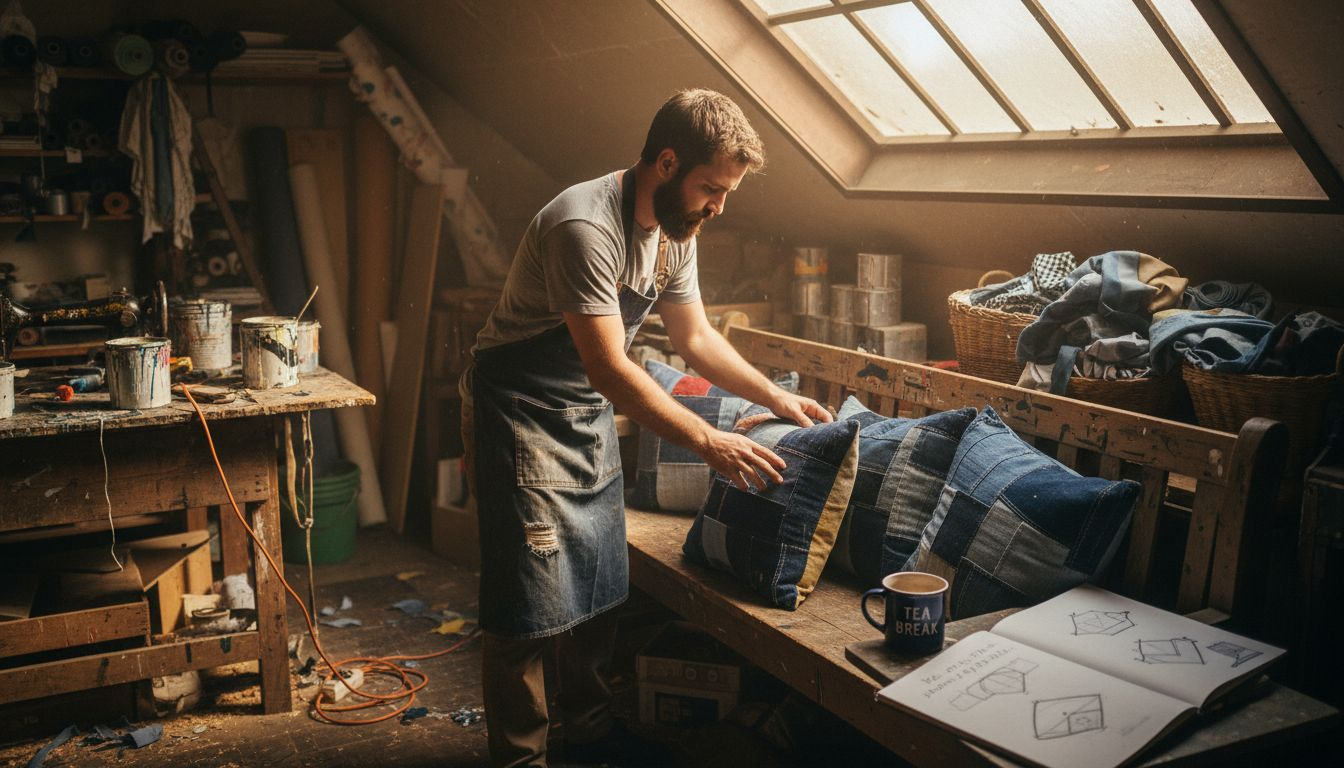
In the fashion sector, upcycling explores transformative potential by repurposing metal wastes and production leftovers into textile and apparel innovations, creating unique garments that challenge traditional manufacturing methods. Designers are now turning industrial scraps, discarded clothing, and textile remnants into cutting-edge fashion pieces that reduce environmental waste while producing distinctive, eco-conscious clothing.
Food and Nutrition Upcycling represents another fascinating domain where waste streams are being reexamined. Researchers are uncovering nutritional ingredients and bioactive ‘treasure’ by investigating previously overlooked material sources, transforming food industry by-products into valuable nutritional components.
Different upcycling categories include:
- Textile Upcycling: Transforming old clothing into new garments, accessories, or home decor
- Furniture Restoration: Reviving vintage or damaged furniture through creative redesign
- Industrial Material Repurposing: Converting manufacturing waste into new products
- Food Ingredient Upcycling: Creating nutritional ingredients from food production waste
- Electronic Waste Recycling: Repurposing components from obsolete electronic devices
Pro Tip for Creative Upcycling: Start your upcycling journey by identifying items in your home with potential for transformation, such as converting old jeans into tote bags or turning wooden pallets into stylish shelving units, allowing creativity and sustainability to merge seamlessly.
How Upcycling Works In Everyday Life
Upcycling transforms ordinary household items and potential waste into creative, functional solutions that breathe new life into objects most people would discard. This approach goes beyond simple recycling by reimagining materials and challenging our traditional consumption patterns.
Upcycling and repurposing involve creatively transforming discarded items into valuable new products, encouraging individuals to see potential where others see waste. The process requires imagination, basic crafting skills, and a willingness to experiment with existing materials in innovative ways.
The practice not only benefits the environment but also creates significant economic opportunities, generating potential income streams for creative entrepreneurs and community initiatives. Upcycling can turn unexpected materials into marketable products, from handcrafted accessories to functional home decor.
Common upcycling approaches in everyday life include:
- Transforming glass jars into storage containers
- Converting old clothing into cleaning rags
- Repurposing wooden pallets into garden furniture
- Creating decorative planters from unused household items
- Turning worn-out tyres into outdoor seating
- Redesigning broken ceramics into mosaic art pieces
Pro Tip for Home Upcycling: Begin by establishing a dedicated ‘upcycling station’ in your home where you collect potentially reusable items, ensuring you have a creative workspace ready for transforming everyday objects into unique, sustainable treasures.
Advantages Over Recycling And Common Pitfalls
Upcycling represents a more innovative and creative approach to waste management compared to traditional recycling, offering unique advantages that transform discarded materials into higher-value products. While recycling typically breaks down materials into raw components, upcycling reimagines and repurposes items with minimal processing.
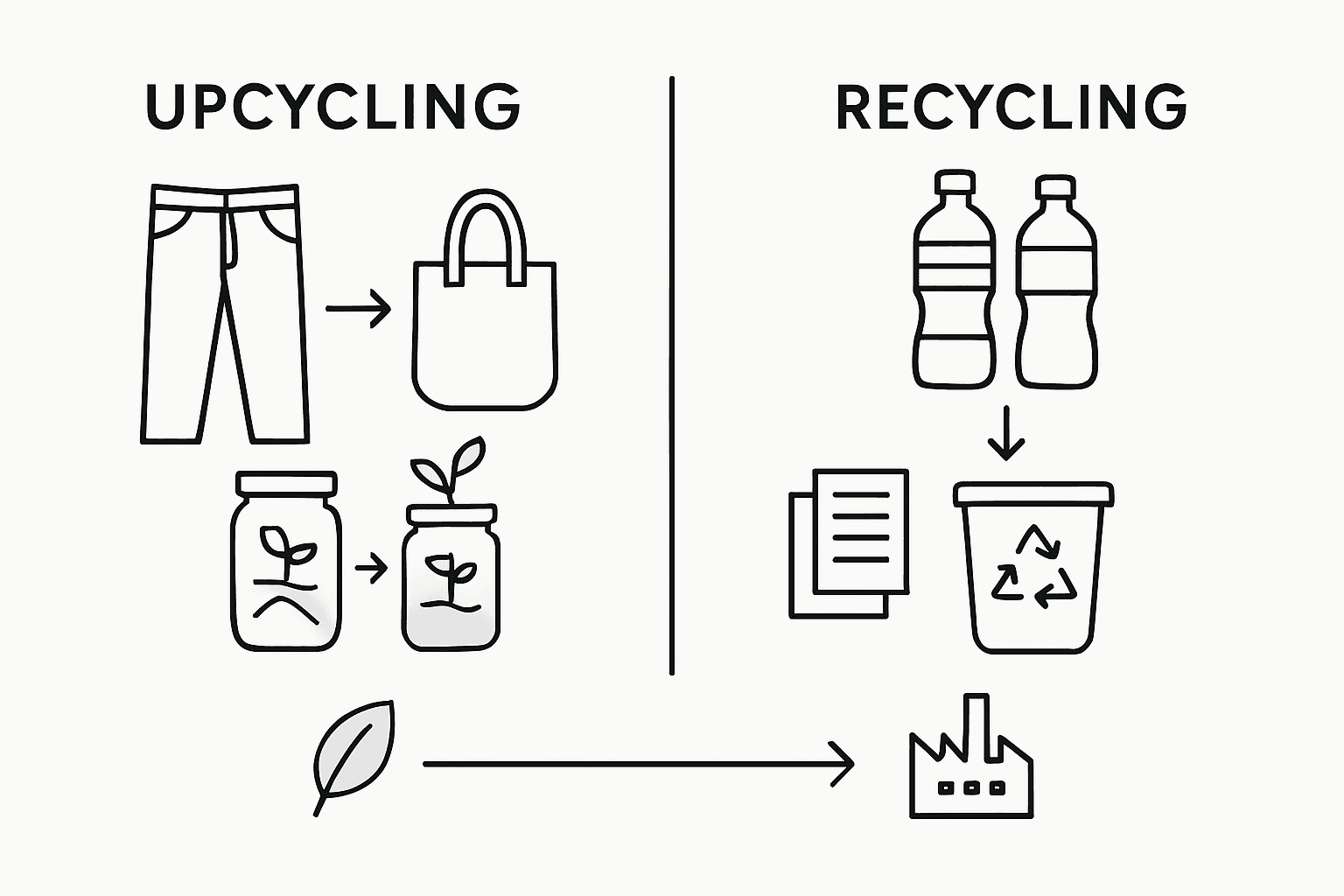
Upcycling provides an efficient method to transform waste into high-value products, significantly reducing environmental impact, particularly in sectors like plastic waste management. Unlike recycling, which often requires extensive energy and chemical processes, upcycling maintains the original material’s integrity while creating something entirely new and potentially more valuable.
Current technological advances are expanding upcycling potential across various industries, focusing on converting waste into innovative materials, demonstrating remarkable potential for sustainable innovation. This approach not only minimises waste but also challenges traditional manufacturing paradigms by viewing discarded materials as valuable resources.
Key advantages of upcycling over traditional recycling include:
Here is a comparison of upcycling versus traditional recycling, highlighting key differences:
| Aspect | Upcycling | Traditional Recycling |
|---|---|---|
| Processing Required | Minimal alteration of original material | Intensive breakdown and remanufacture |
| Energy Consumption | Low, primarily manual processes | Often high, requires industrial energy |
| End Product Value | Increased or retained | Usually equal or lower than original |
| Creative Potential | High—enables unique and innovative items | Low—products typically standardised |
| Environmental Impact | Direct reduction in landfill and emissions | Moderate—depends on recycling method |
- Lower energy consumption during transformation
- Preservation of material’s original characteristics
- Enhanced creative potential
- Reduced industrial processing requirements
- Potential for higher economic value
Common pitfalls to avoid in upcycling:
- Overestimating personal crafting skills
- Accumulating too much ‘potential’ waste
- Neglecting proper cleaning and preparation of materials
- Purchasing additional supplies that negate sustainability benefits
- Failing to have a clear vision for the final product
Pro Tip for Successful Upcycling: Start with small, manageable projects and gradually build your skills, ensuring you have a clear purpose and design in mind before beginning any upcycling transformation.
Practical Tips For Successful Upcycling Projects
Upcycling requires creativity, strategic planning, and a keen eye for potential transformation. Successful projects demand more than just good intentions; they require thoughtful preparation, appropriate tools, and an understanding of material properties and potential redesign strategies.
Preparation is key to any successful upcycling endeavour. Before starting a project, thoroughly assess your materials, clean them meticulously, and imagine multiple potential transformations. In regions like Ghana, creative professionals have demonstrated remarkable resourcefulness by transforming fabric scraps into unique fashion pieces, showcasing how innovative thinking can turn seemingly worthless materials into valuable creations.
To ensure project success, consider these essential planning steps:
- Inventory your available materials carefully
- Research appropriate techniques for specific materials
- Gather necessary tools and basic crafting supplies
- Sketch preliminary design concepts
- Create a realistic timeline for completion
- Budget for potential additional materials
Essential tools for most upcycling projects include:
- Sharp fabric scissors
- Strong craft glue
- Sandpaper (various grits)
- Paintbrushes
- Measuring tape
- Basic sewing kit
- Protective work gloves
- Cleaning supplies
Material-specific upcycling approaches:
The following table summarises practical upcycling approaches for common materials:
| Material Type | Example Upcycling Approach | Key Tools Needed |
|---|---|---|
| Textiles | Old shirts into shopping bags | Sewing machine, fabric scissors |
| Wood | Pallets into garden benches | Saw, hammer, sandpaper |
| Glass | Jars as kitchen organisers | Cleaning brush, paint |
| Metal | Tins into plant holders | Tin snips, paint |
| Plastic | Bottles into bird feeders | Craft knife, string |
- Textiles: Cutting, reshaping, embellishing
- Wood: Sanding, painting, structural modification
- Glass: Cleaning, decorating, repurposing
- Metal: Rust removal, painting, reshaping
- Plastic: Cleaning, melting, reforming
Pro Tip for Upcycling Success: Start with small, low-stakes projects that match your current skill level, gradually building confidence and technical abilities while learning from each creative experiment.
Embrace Sustainable Living Through Upcycling and Smart Shopping
Upcycling offers a powerful way to reduce waste while unleashing your creativity and contributing to a healthier planet. However, transforming everyday items into valuable treasures requires not only inspiration but also access to quality tools and eco-friendly materials. At Stomart, we understand your goal to combine sustainability with convenience and style across your home, fashion, and lifestyle choices.
Explore our wide range of products specially suited to support your upcycling projects and sustainable living journey. From versatile home goods and kitchen essentials to stylish fashion accessories and personal wellness gadgets, Stomart.co.uk provides an easy way to find everything you need. Start small with trusted tools or discover new favourites through our seasonal deals that make sustainable choices affordable today. Unlock creative potential and make a real difference by shopping smart and acting now.
Frequently Asked Questions
What is upcycling and how does it differ from recycling?
Upcycling is the creative process of transforming discarded materials into new products of higher value, while recycling typically involves breaking down materials into raw components for remanufacturing. Upcycling maintains the integrity of the original materials and often requires minimal processing.
What are some common items that can be upcycled in everyday life?
Common items that can be upcycled include glass jars (used as storage containers), old clothing (transformed into cleaning rags or new garments), wooden pallets (repurposed into furniture), and worn-out tyres (converted into outdoor seating).
How can I start my upcycling journey at home?
Begin by identifying items in your home that have the potential for transformation. Set up a dedicated ‘upcycling station’ for collecting reusable items, gather necessary tools, and plan small, manageable projects to gradually build your skills and confidence.
What are the environmental benefits of upcycling?
The environmental benefits of upcycling include significant waste reduction, decreased demand for virgin resources, lower energy consumption compared to traditional manufacturing, and minimised landfill contributions, all contributing to sustainable living and conservation efforts.
Recommended
- Choosing the Perfect Clothing Store - STOMART.CO.UK
- Role of LED Lighting: Complete Guide for Consumers - STOMART.CO.UK
- What is Circular Fashion? Understanding Its Importance - STOMART.CO.UK
- The Best Eco-Friendly Home Products Worth Buying - STOMART.CO.UK
- Bespoke: The Art of Upcycling Vintage Clothing