

Why Smart Garden Systems Matter for Urban Homes
on Jan 24, 2026
Struggling to keep plants healthy in a flat with unpredictable sunlight and limited outdoor space is a common frustration for many urban homeowners in the United Kingdom. Sustainable gardening can feel out of reach when time is short and patchy weather threatens delicate herbs. Smart garden systems change this reality entirely by using the Internet of Things (IoT) technology to manage everything from soil moisture to temperature automatically, giving your plants consistent care with almost no effort. Discover how these innovative solutions create thriving indoor gardens that suit both your climate goals and busy lifestyle.
Key Takeaways
| Point | Details |
|---|---|
| Smart Garden Systems Automate Plant Care | Utilising IoT technology, these systems monitor and manage environmental factors automatically, resulting in optimal plant growth with minimal manual input. |
| Climate Control Enhances Growth Conditions | Smart gardens create a controlled microclimate, ensuring consistent temperature, humidity, and light, which traditional gardening cannot achieve. |
| Water and Resource Efficiency | Automated systems significantly reduce water waste and chemical use by delivering precise amounts based on real-time conditions, benefiting both the environment and household bills. |
| Long-Term Financial Benefits | Although initial costs may be high, smart garden systems save money over time through reduced spending on produce and resources, often providing a significant return on investment. |
What Smart Garden Systems Really Are
A smart garden system is fundamentally different from the terracotta pots gathering dust on your windowsill. These are integrated platforms that use Internet of Things (IoT) technology to monitor and control every aspect of plant growth automatically. Think of it as having a horticultural expert living inside a compact device, constantly checking whether your herbs need water, if the light is strong enough, or whether the temperature has drifted outside the ideal range. Rather than relying on guesswork or remembering to check your plants every few days, IoT-enabled systems manage critical environmental factors such as light intensity, temperature, humidity, and soil moisture with precision. This automation means your plants receive optimal care with virtually no manual intervention on your part.
What makes these systems particularly valuable for urban homes is how they address real constraints you face. If you live in a flat with limited outdoor space, patchy sunlight, or unpredictable weather, smart gardens bypass these problems entirely. They create a controlled microclimate where plants can thrive regardless of what’s happening outside your window. The system continuously monitors conditions and adjusts them in real time, meaning your basil won’t suddenly wilt because you forgot to water it during a busy week at work. Indoor smart gardens enable precise control over growing conditions that traditional outdoor gardening simply cannot match, which is why they’ve become increasingly popular amongst eco-conscious urbanites who want fresh, homegrown produce without the traditional gardening hassles.
Most smart garden systems combine several key components working together. You’ll typically find sensors embedded in the growing pod or container that constantly gather data about soil moisture, nutrient levels, and environmental conditions. These sensors feed information to an app on your phone or a central control unit, which then makes automatic adjustments. If soil moisture drops below the optimal level, the system triggers irrigation. If light falls short, grow lights activate. If temperature rises too high, the system may adjust ventilation or reduce heat output. The beauty of this approach is that it removes the trial and error from indoor gardening. You don’t need to develop green fingers or spend years learning through mistakes. The system handles the technical details whilst you simply harvest the results.
Pro tip: Start by identifying what you actually want to grow and then match that to a system’s specifications—some excel at leafy greens whilst others are better suited to herbs or fruiting plants like tomatoes.
Different Types of Smart Gardening Tech
Smart gardening technology comes in several distinct varieties, each designed to solve different growing challenges in your urban home. At the foundation of most systems are smart sensors, which continuously monitor soil conditions, light levels, temperature, and humidity. These sensors work by detecting changes in your growing environment and sending that data wirelessly to a central hub or your smartphone app. IoT technologies in agriculture include smart sensors and automated irrigation control, allowing you to track exactly what your plants are experiencing at any moment. Beyond basic sensing, many systems pair these sensors with automated watering systems that deliver precise amounts of water based on real time soil moisture readings. This means no more overwatering or watching plants slowly dry out whilst you’re away from home. Some advanced setups even integrate nutrient delivery systems that automatically supplement your growing medium with the exact minerals your plants need at the right growth stage.
Climate control technology represents another major category of smart gardening solutions. These systems manage temperature, humidity, and air circulation within enclosed growing spaces, creating stable conditions regardless of what’s happening outside your flat. Advanced control systems and metering infrastructure regulate microclimate variables precisely, which proves especially valuable in British homes where heating and cooling can be unpredictable. Grow lights with smart scheduling adjust their intensity throughout the day to mimic natural sunlight patterns, whilst ventilation systems activate automatically if temperature or humidity drift outside safe ranges. For urban gardeners, this technology transforms spaces that would otherwise be unsuitable for growing anything into year-round production areas.
The final category involves data analytics and artificial intelligence. Rather than simply reacting to current conditions, AI-driven monitoring systems learn your specific plants’ preferences and predict problems before they occur. The system recognises patterns in your growth data and suggests adjustments to optimise yield. Some systems can even identify early signs of plant disease or pest problems from photos you take and send alerts to your phone. When combined with smartphone apps and cloud storage, these features create a complete growing ecosystem where everything from watering schedules to harvest predictions happens automatically. You get all the benefits of a greenhouse without needing a dedicated outdoor space or extensive horticultural knowledge.
Pro tip: Choose a system based on what you want to grow rather than features alone, since a highly advanced climate control system won’t help if it doesn’t support the specific herbs or vegetables you actually want to harvest.
Here is a summary of key smart gardening technologies and their unique advantages:
| Technology Type | Core Function | Unique Benefit |
|---|---|---|
| Smart Sensors | Monitor soil, light, humidity, climate | Enables precise, real-time data |
| Automated Irrigation | Waters plants based on sensor data | Eliminates over- or under-watering |
| Climate Control | Regulates temperature, humidity, air | Ensures steady growth environment |
| Data Analytics & AI | Learns and predicts plant needs | Optimises plant health & yield |
How Automation Improves Plant Care
Automation transforms plant care from a guessing game into a precise, reliable process that works whether you are home or travelling for work. The most immediate benefit is consistent environmental control. Your plants no longer experience the wild fluctuations that happen in typical homes, where temperature swings from cold nights to warm afternoons, humidity drops dramatically when heating activates, and light varies based on cloud cover and season. Smart systems maintain steady conditions that plants actually prefer, which means faster growth, healthier foliage, and significantly higher survival rates. Automated systems ensure timely interventions and consistent environmental conditions conducive to plant health, removing the stress that kills most indoor plants. Rather than hoping your watering can deliver the right amount, the system measures soil moisture continuously and delivers water with precision, targeting exactly what each plant needs at each growth stage.
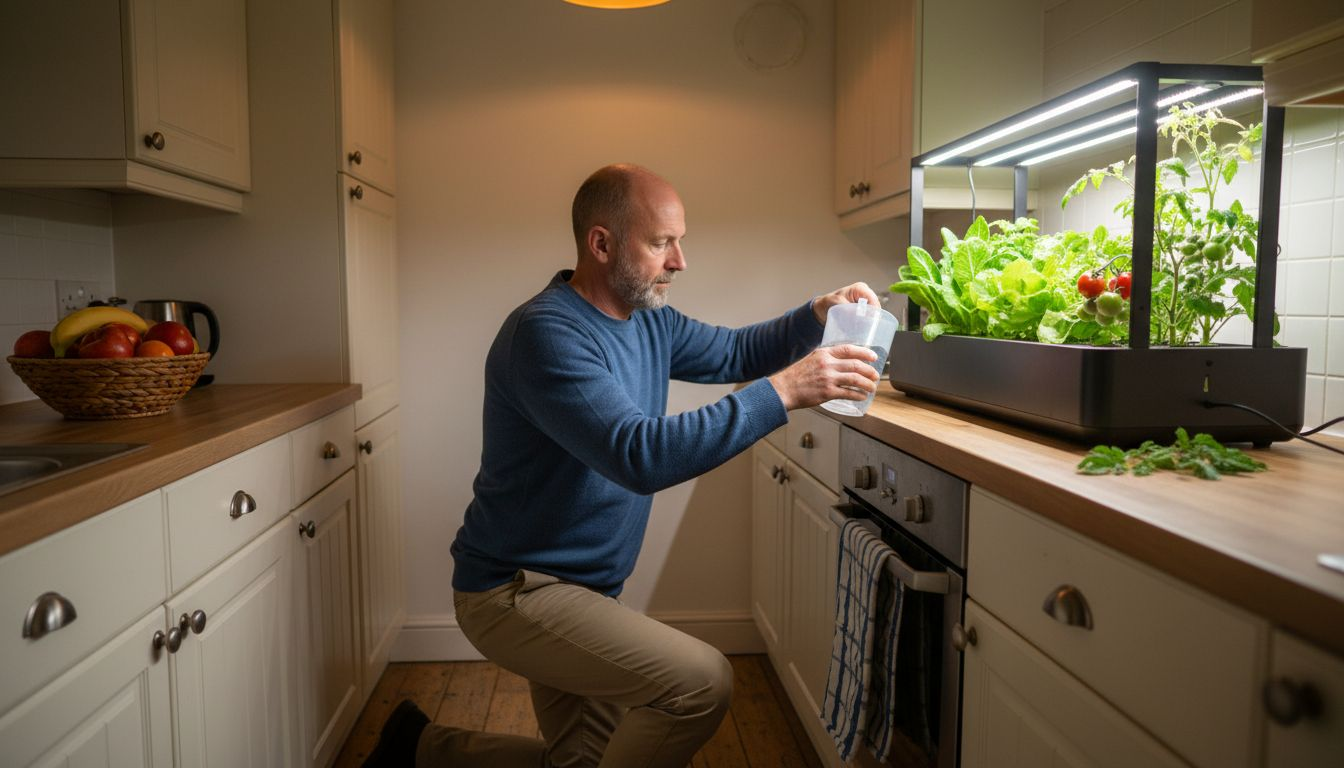
The second major improvement involves resource optimisation and waste reduction. Overwatering is the number one plant killer in homes, yet most people do it regularly because they cannot tell whether soil is actually dry. Smart systems eliminate this problem entirely by measuring moisture before deciding to water. Similarly, intelligent irrigation and environmental controls optimise water usage, nutrient delivery, and pest management, meaning you waste far less water and fertiliser whilst actually producing better results. This aligns perfectly with your eco-conscious values, as reduced water consumption and optimised nutrient use benefit both your flat’s water bill and the environment. For urban gardeners concerned about sustainability, this efficiency matters considerably.
The third benefit is time liberation. You no longer need to remember watering schedules, check soil moisture daily, or worry about plants dying whilst you are away on holiday. This transforms smart gardens from a hobby requiring dedication into something that simply runs in the background. The system learns your plants’ preferences and adapts automatically, whilst sensor networks continuously monitor conditions and make adjustments without any involvement from you. You get to enjoy fresh homegrown herbs and vegetables without the traditional commitment that makes most people give up on indoor gardening within weeks. For busy professionals balancing work, family, and other commitments, this automation creates genuine value that justifies the system cost.
Pro tip: Set up your system but resist the urge to manually override it constantly; let the automation work for at least two weeks before making adjustments, as plants often perform better under consistent algorithmic control than human intervention.
Environmental Impact and Resource Savings
If you care about your ecological footprint, smart garden systems offer concrete environmental benefits that go far beyond traditional indoor gardening. The most significant impact comes from water conservation. Standard indoor gardening relies on manual watering, which typically results in either chronic underwatering that kills plants or excessive watering that drains your water supply. Smart systems measure soil moisture in real time and deliver water only when plants actually need it, reducing water consumption dramatically. Smart irrigation systems based on IoT technology improve water use efficiency and reduce water waste, which matters considerably in the United Kingdom where water restrictions increasingly affect urban areas during dry summers. A single smart garden system can reduce water usage by 40 to 70 percent compared to manual watering, translating to thousands of litres saved annually across a household.
Beyond water savings, smart systems optimise nutrient delivery and reduce chemical waste. Traditional growing methods rely on scheduled fertiliser applications that often overshoot actual plant needs, resulting in excess nutrients washing away or accumulating in soil. IoT-enabled irrigation systems enhance environmental sustainability by optimising water usage through real-time soil moisture monitoring and automated control, and this same precision applies to nutrients. Sensors detect nutrient levels and the system delivers only what plants require at each growth stage, minimising waste. This approach supports your commitment to sustainable living whilst actually producing healthier plants with better flavour and nutritional content.
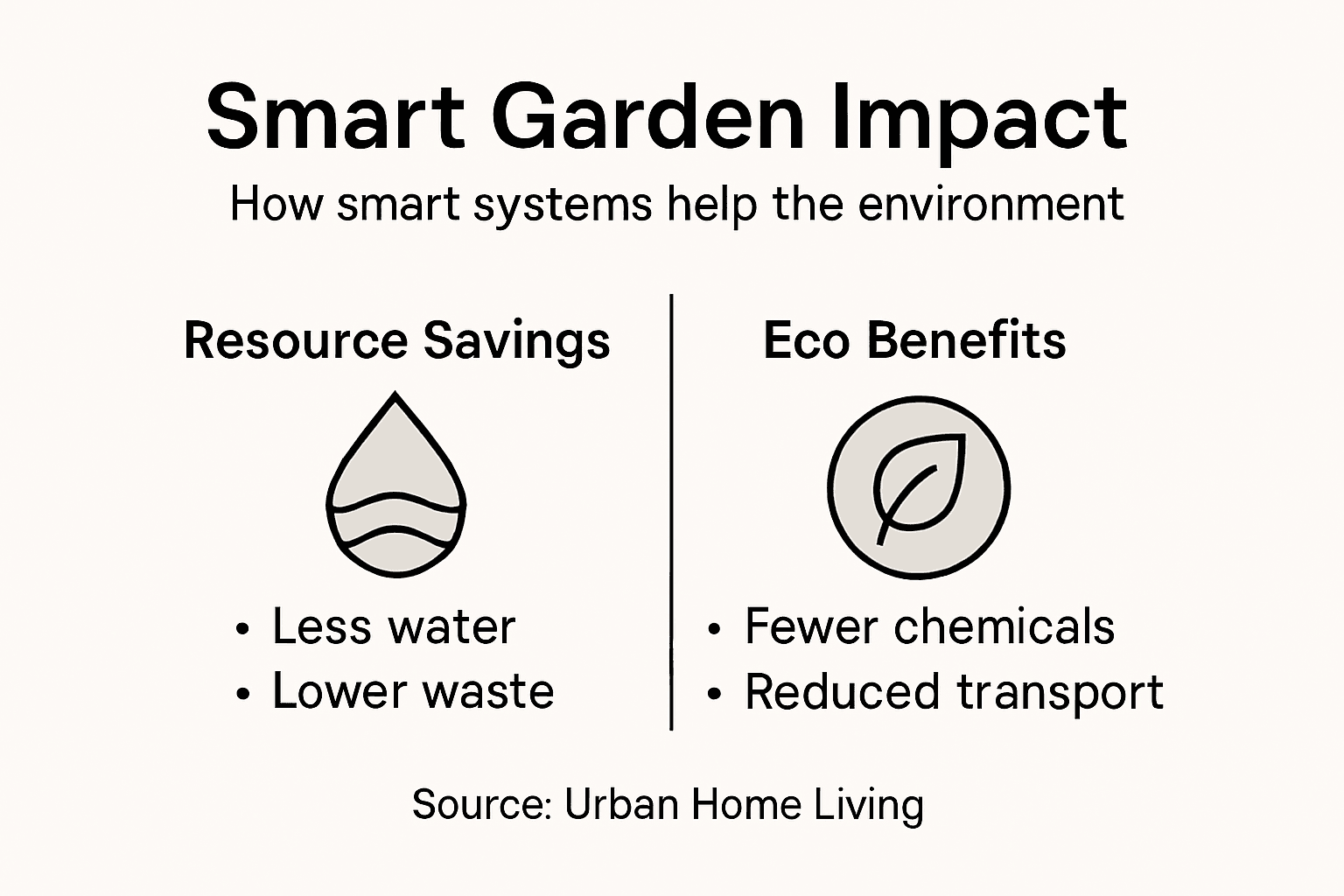
The broader climate impact deserves attention too. By growing food locally in your home, you eliminate transportation emissions associated with supermarket produce. A tomato from your smart garden travels only metres to your kitchen, whilst shop-bought equivalents travel hundreds of kilometres from distant growing regions. When multiplied across thousands of urban households adopting smart gardens, this shift meaningfully reduces agricultural carbon emissions. Additionally, smart systems allow year-round growing using relatively modest electricity consumption for lighting and climate control, compared to the energy intensity of conventional agriculture. Your eco-conscious choices compound into measurable environmental benefit when you use technology intelligently.
Pro tip: Track your system’s water consumption in the app and compare it monthly to your household bills to quantify actual savings, which often surprises people and motivates continued use.
Upfront Costs Versus Long-Term Value
Yes, smart garden systems require a meaningful initial investment. Entry-level systems typically cost between £200 and £500, whilst more advanced setups with multiple growing pods and sophisticated climate controls can reach £1,000 or beyond. This upfront expense creates genuine hesitation for most people considering the technology. However, dismissing smart gardens purely on initial cost misses the fuller financial picture. Smart garden systems offer long-term savings through reduced water, energy, and labour costs, plus the benefit of continuous fresh produce that would otherwise come from supermarket purchases. When you calculate the actual return on investment, the numbers often surprise people.
Consider your actual savings over three years. If you currently buy £15 worth of fresh herbs and salad leaves weekly, that totals approximately £780 annually. A mid-range smart garden system producing similar yields costs around £400 upfront plus roughly £30 yearly in electricity for grow lights and system operation. Within two years, the system pays for itself entirely through produce savings alone. This calculation doesn’t even account for water savings, reduced plant replacement costs from failed gardening attempts, or the convenience value of having fresh ingredients metres from your kitchen. For eco-conscious urbanites who already purchase organic produce at premium prices, the payback period shrinks dramatically. Additionally, smart irrigation systems reduce water consumption and increase crop yields, translating to long-term economic and environmental benefits, meaning your savings continue compounding year after year.
The hidden value extends beyond direct financial returns. A smart garden eliminates failed growing attempts that waste money on seeds, compost, and replacement plants. It removes the frustration of investing time and effort only to watch plants die from inconsistent care. For professionals juggling demanding schedules, this reliability has genuine worth. You gain year-round access to fresh, organic produce without relying on supermarket supply chains vulnerable to seasonal shortages or price spikes. Many people discover that once their system pays for itself through produce savings, continued operation feels essentially free, with electricity costs representing the only ongoing expense. This transforms fresh homegrown food from a luxury into an affordable everyday reality.
To clarify the long-term value, here is a quick financial breakdown for typical smart garden investment versus ongoing shop-bought produce costs:
| Scenario | Upfront Cost | Annual Ongoing Cost | 3-Year Total Cost | Key Advantage |
|---|---|---|---|---|
| Smart Garden System | £400 | £30 (electricity) | £490 | Pays back in two years |
| Shop-Bought Herbs/Salads | £0 | £780 | £2,340 | No setup investment |
| Manual Indoor Gardening | £70 (materials) | £70 (replacement) | £280 | Higher plant mortality risk |
Pro tip: Start with an entry-level system rather than the most expensive option; prove the concept works for your household before upgrading to larger systems that justify the premium investment.
Discover How Smart Garden Systems Can Transform Your Urban Home
Struggling with limited space and unpredictable indoor conditions for your plants ? The article highlights how consistent environmental control, automated irrigation, and AI-driven optimisation are game changers for urban gardeners who want fresh, homegrown produce without the hassle. At the heart of the challenge is maintaining ideal soil moisture, light intensity, temperature and humidity — tasks that everyday life often disrupts. Smart garden systems remove guesswork and free up your time while offering precise care that boosts plant health and saves water.
Embrace innovation with a selection of cutting-edge home and garden solutions at Stomart.co.uk designed to meet your urban lifestyle needs. Explore our range of smart gardening accessories and technology that align perfectly with the article’s insights: from smart sensors and irrigation controls to efficient lighting options and eco-friendly garden kits. Take control today and unlock the full benefits of smart gardens for your home environment. Don’t wait until your plants suffer—visit Stomart.co.uk now to find your ideal smart garden system and start growing effortlessly.
Frequently Asked Questions
What are smart garden systems, and how do they work?
Smart garden systems are integrated platforms that use IoT technology to automate the monitoring and control of plant growth. They gather data on environmental factors like soil moisture, light intensity, and temperature, making automatic adjustments to provide optimal conditions for plants without manual intervention.
How can smart garden systems benefit urban dwellers with limited space?
Smart garden systems create a controlled microclimate that allows plants to thrive regardless of external weather conditions or limited sunlight. This means urban dwellers can successfully grow herbs, vegetables, and flowers in small indoor spaces without the usual gardening hassles.
What types of technology are found in smart gardening systems?
Smart gardening systems typically use smart sensors to monitor conditions, automated irrigation systems for precise watering, climate control technology to manage temperature and humidity, and data analytics or AI to predict plant needs and optimize growth.
How do smart garden systems contribute to environmental sustainability?
Smart garden systems enhance sustainability by conserving water through real-time moisture monitoring and optimising nutrient delivery, which reduces waste. Additionally, growing food locally minimises transportation emissions typically associated with store-bought produce, promoting a lower overall carbon footprint.