

Biodegradable Packaging – How It Impacts Everyday Living
on Dec 09, 2025Most traditional packaging still ends up in landfills, but British consumers are driving a dramatic shift toward greener choices. With over 60 percent of British shoppers preferring eco-friendly options, the demand for biodegradable packaging is rising faster than ever. This matters because effective packaging no longer has to harm the planet. Discover what sets biodegradable packaging apart and why it is reshaping everyday habits on store shelves across the United Kingdom.
Key Takeaways
| Point | Details |
|---|---|
| Biodegradable Packaging Benefits | Utilises renewable materials that decompose naturally, mitigating the ecological impact of traditional plastics. |
| Types of Materials | Common substances include cornstarch, paper, and polylactic acid (PLA), offering various advantages across industry applications. |
| Decomposition Process | Involves microbial activity and specific environmental conditions to ensure complete breakdown into natural components. |
| Industry Adoption | Rapid integration across sectors, particularly in food packaging, reinforces a shift towards sustainable consumption practices. |
What Is Biodegradable Packaging?
Biodegradable packaging represents a groundbreaking solution in environmental sustainability, offering a revolutionary approach to reducing waste and minimising ecological impact. Biodegradable packaging materials are designed to naturally decompose through microbial activity, transforming into harmless natural substances like water, carbon dioxide, and biomass.
At its core, biodegradable packaging differs fundamentally from traditional plastic packaging by utilising organic, renewable resources that can break down completely in environmental conditions. These innovative materials often derive from sources like cornstarch, paper, mycelium, seaweed, and polylactic acid (PLA), providing an eco-conscious alternative to petroleum-based packaging solutions.
The key characteristics of biodegradable packaging include:
- Rapid decomposition timeframes compared to conventional plastics
- Minimal environmental contamination
- Derived from renewable organic resources
- Capability to break down through natural microbial processes
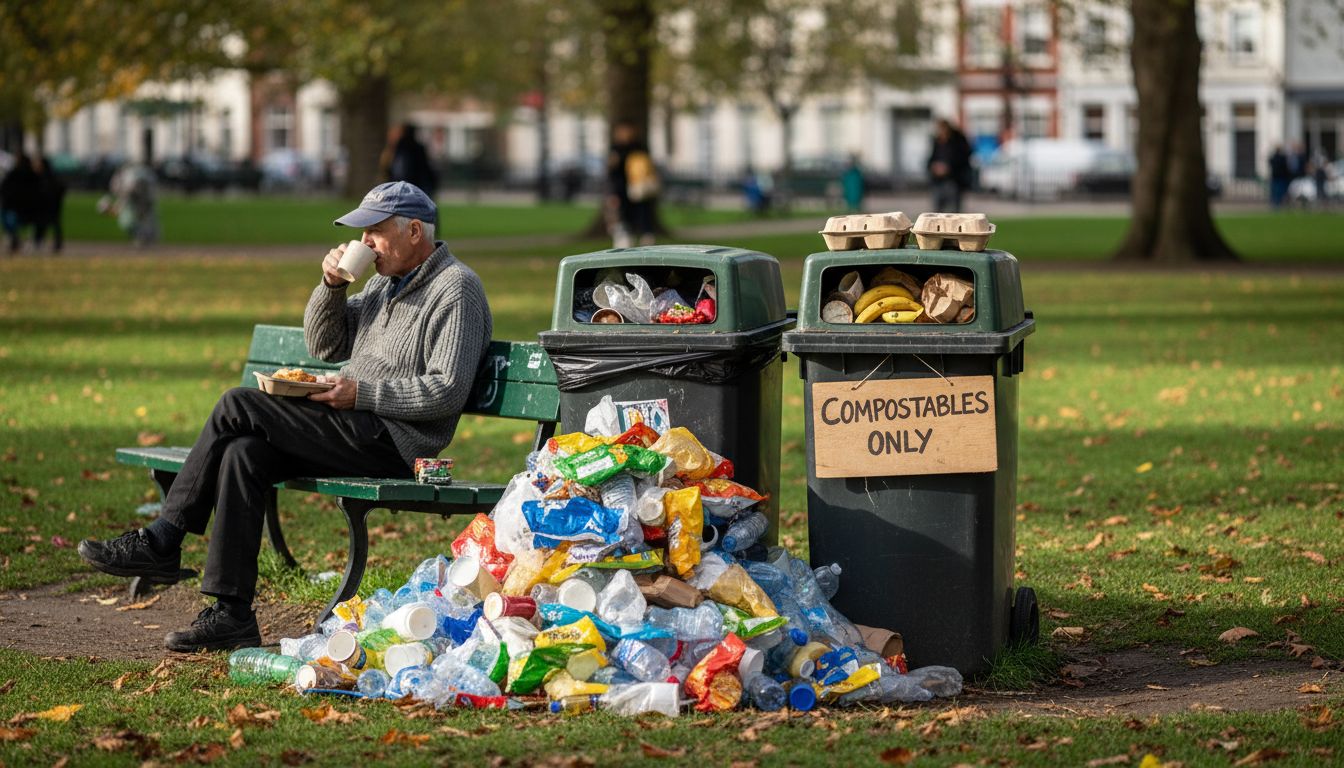
Consumers increasingly recognise biodegradable packaging as a critical strategy for reducing global plastic pollution. By selecting products packaged in these environmentally friendly materials, individuals can actively contribute to waste reduction and support more sustainable manufacturing practices. The packaging transforms from a potential environmental burden into a component that seamlessly reintegrates with natural ecological systems.
Types And Materials Used Today
Biodegradable packaging materials offer a diverse range of organic substances that can effectively replace traditional petroleum-based packaging solutions. These innovative materials are carefully selected for their ability to decompose naturally, providing environmentally conscious alternatives across multiple industries. The primary categories include polysaccharides, proteins, and plant-based compounds, each bringing unique properties and sustainable advantages.
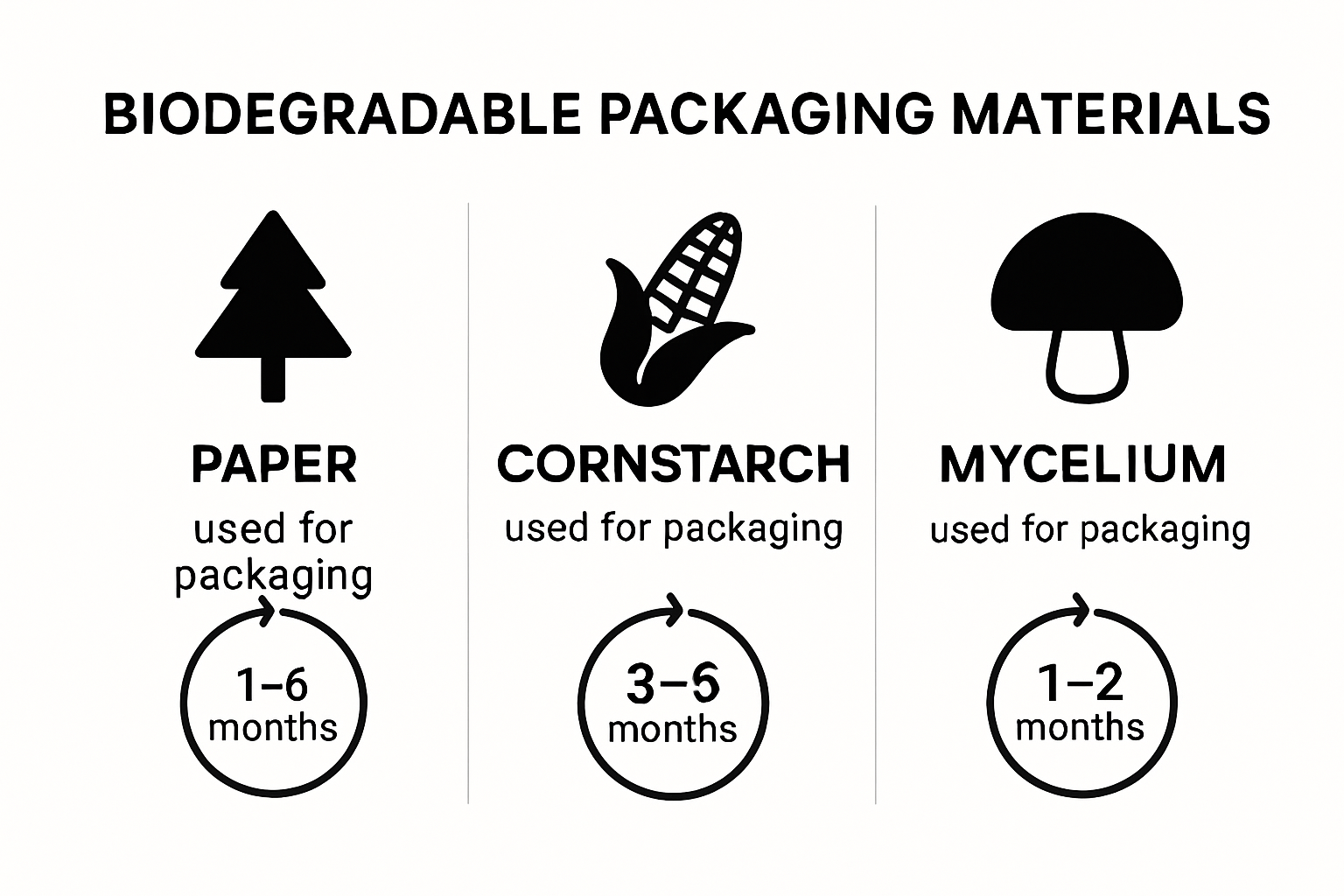
The most prevalent biodegradable packaging materials encompass a wide spectrum of organic substances. Common materials include cornstarch, paper, mycelium, seaweed, polylactic acid (PLA), bagasse, palm leaves, and hemp, each offering distinct characteristics for different packaging requirements. Polysaccharides like starch and cellulose provide excellent structural integrity, while protein-based materials such as gelatin and casein offer remarkable flexibility and protective barriers.
Key types of biodegradable packaging materials include:
-
Polysaccharide-based materials:
- Starch
- Cellulose
- Chitin
-
Protein-derived materials:
- Gelatin
- Casein
- Wheat gluten
-
Plant-based materials:
- Cornstarch
- Hemp fibres
- Bagasse
- Palm leaves
Scientists and packaging engineers continuously explore innovative combinations and treatments to enhance these materials’ performance. By adding specific additives and modifying molecular structures, researchers can improve mechanical strength, barrier properties, and decomposition rates, making biodegradable packaging increasingly competitive with traditional packaging solutions.
How Biodegradable Packaging Works
Biodegradable packaging operates through a complex microbial decomposition process that transforms organic materials into harmless natural components. This intricate breakdown mechanism involves multiple biological and environmental factors, ensuring that packaging materials can safely return to the ecosystem without causing long-term environmental damage. The process fundamentally differs from traditional plastic waste management by actively encouraging complete material disintegration.
The degradation mechanism involves several critical stages, including microbial colonization, hydrolysis, and eventual mineralization. Microorganisms such as bacteria, fungi, and algae play a pivotal role in this transformation. These microscopic organisms secrete specialized enzymes capable of breaking down complex polymer bonds, effectively dismantling the packaging material at a molecular level. This enzymatic action gradually converts the material into simple compounds like water, carbon dioxide, and biomass.
Key stages of biodegradable packaging decomposition include:
-
Initial Colonization:
- Microorganisms attach to packaging surface
- Enzymes begin breaking molecular bonds
-
Hydrolysis Phase:
- Complex polymers split into smaller molecules
- Chemical structure begins to destabilise
-
Mineralization:
- Complete breakdown of organic material
- Conversion to basic environmental compounds
Environmental conditions significantly influence the biodegradation speed and efficiency. Factors such as temperature, humidity, oxygen availability, and microbial diversity determine how quickly packaging materials decompose. Optimal conditions can accelerate the process, transforming packaging from a potential waste product into a valuable component of natural ecological cycles, ultimately supporting more sustainable waste management practices.
Everyday Uses And Industry Adoption
Biodegradable packaging has rapidly expanded across multiple industries, transforming how businesses approach environmental sustainability. The food industry stands at the forefront of this revolution, utilising innovative packaging solutions that offer effective moisture and gas barriers while dramatically reducing environmental impact. These materials are now being integrated into everyday products, from takeaway containers to grocery packaging, signalling a significant shift towards more responsible consumption practices.
Various sectors are embracing biodegradable packaging technologies to meet increasingly stringent sustainability goals. The diverse range of applications spans multiple industries, including:
-
Food and Beverage:
- Compostable food containers
- Disposable cutlery
- Beverage packaging
-
Cosmetics:
- Sustainable product containers
- Eco-friendly beauty packaging
-
Agriculture:
- Seed packaging
- Protective wrapping
-
Healthcare:
- Medical supply packaging
- Disposable medical containers
-
Retail:
- Shopping bags
- Product packaging
The shift towards biodegradable packaging represents more than an environmental trend; it’s a fundamental reimagining of how we approach product design and waste management. By integrating materials that can naturally decompose, industries are creating a circular economy where packaging becomes part of the natural ecosystem rather than a persistent environmental burden. This approach not only reduces waste but also encourages consumers to make more sustainable choices in their everyday purchasing decisions.
Environmental Benefits And Limitations
Biodegradable packaging presents a nuanced approach to environmental sustainability, offering significant potential for reducing ecological impact while simultaneously presenting complex challenges. These innovative materials represent a critical step towards more responsible waste management, demonstrating remarkable potential to minimise long-term environmental contamination. The fundamental advantage lies in their ability to break down naturally, circumventing the persistent pollution associated with traditional petroleum-based packaging.
The environmental landscape of biodegradable packaging includes both promising benefits and notable limitations, which require careful consideration. The key environmental advantages encompass:
-
Positive Environmental Impacts:
- Reduced carbon emissions
- Non-toxic material composition
- Minimal landfill accumulation
- Renewable resource utilisation
-
Potential Limitations:
- Requirement for specialised composting facilities
- Potential increased demand for agricultural resources
- Carbon dioxide release during decomposition
- Specific environmental conditions needed for effective breakdown
Understanding these complex dynamics is crucial for responsible implementation. While biodegradable packaging offers substantial environmental benefits, it is not a universal solution. Consumers and industries must approach these materials with nuanced expectations, recognising that proper waste management, appropriate disposal infrastructure, and continued technological innovation remain essential for maximising their ecological potential. The ongoing evolution of biodegradable packaging technologies promises increasingly sophisticated and environmentally responsible solutions.
Choosing Biodegradable Over Alternatives
Selecting biodegradable packaging involves a comprehensive evaluation of environmental impact, practical functionality, and long-term sustainability, moving beyond simple waste reduction to a more holistic approach of responsible consumption. Consumers and businesses must carefully weigh multiple factors, understanding that the choice represents more than an ecological decision, but a fundamental shift in product design and waste management philosophy.
The decision to transition to biodegradable alternatives encompasses several critical considerations, each carrying significant environmental and economic implications:
-
Environmental Considerations:
- Reduced carbon footprint
- Lower long-term ecological contamination
- Support for circular economy principles
- Conservation of non-renewable resources
-
Practical Evaluation Factors:
- Production cost comparison
- Material durability
- Disposal infrastructure requirements
- Performance under various environmental conditions
Making an informed transition requires a nuanced understanding that biodegradable packaging is not a universal solution, but a strategic approach to sustainable materials management. Consumers and organisations must remain adaptable, recognising that technological advancements continually improve these materials’ effectiveness. The journey towards more sustainable packaging solutions demands ongoing research, investment, and a commitment to balancing environmental responsibility with practical functionality.
Embrace Sustainable Living with Biodegradable Choices
Understanding the impact of biodegradable packaging is the first step towards reducing environmental harm and supporting a greener future. This article highlights the urgent need to shift from conventional plastics to materials that naturally decompose and rejoin the ecosystem safely. If you care about minimising waste and choosing products thoughtfully, it is crucial to make sustainable options part of your everyday life.
Explore a wide range of eco-friendly home goods, health and beauty items, and organic products designed with natural materials in mind at Stomart. Make a powerful difference today by selecting products packaged responsibly. Take advantage of seasonal deals and new arrivals that combine convenience with environmental care. Visit Stomart’s main site now to start your journey towards a cleaner planet and discover how your choices can build a healthier world for tomorrow.
Frequently Asked Questions
What is biodegradable packaging?
Biodegradable packaging is designed to decompose naturally through microbial activity, transforming into harmless substances like water, carbon dioxide, and biomass, thus minimising environmental impact.
How does biodegradable packaging decompose?
The decomposition of biodegradable packaging involves a process of microbial colonisation, hydrolysis, and mineralisation. Microorganisms break down complex polymer bonds, converting the material into basic environmental compounds.
What materials are commonly used in biodegradable packaging?
Common materials include cornstarch, paper, mycelium, seaweed, polylactic acid (PLA), bagasse, and hemp. Each material offers unique properties suited to different packaging needs.
What are the environmental benefits of biodegradable packaging?
Biodegradable packaging reduces landfill accumulation, lowers carbon emissions, and utilises renewable resources. However, it also requires specific conditions for effective decomposition, highlighting the need for proper waste management.
Recommended
- The Best Eco-Friendly Home Products Worth Buying - STOMART.CO.UK
- Role of LED Lighting: Complete Guide for Consumers - STOMART.CO.UK
- Lifestyle Eco-Friendly Home Products - STOMART.CO.UK
- Quality Spa‑Like Bathroom Accessories - STOMART.CO.UK
- Nachhaltig Mit Batterien Umgehen: Der Komplettguide - accu.blog