

How cities shape your personality and emotional health
on Mar 20, 2026Growing up in a city does more than expose you to noise and crowds. Early urban living alters brain development, accelerates puberty, and shapes personality traits that influence your emotional wellbeing throughout life. Cities create unique psychological environments that affect behaviour, stress responses, and mental health in ways researchers are only beginning to understand. This article explores the surprising connections between urban environments and who you become, from childhood brain changes to adult personality patterns, revealing both the risks and protective factors that determine how city life affects your emotional health.
Key takeaways
| Point | Details |
|---|---|
| Early urban exposure | Urban upbringing accelerates puberty and alters brain structures, influencing personality traits linked to mental health risks |
| Green space benefits | Quality urban parks and natural elements significantly reduce depression and anxiety, especially in young adults |
| Urban stressors | Housing pressure, traffic, pollution, and cost of living elevate risks of depression, anxiety, and schizophrenia in cities |
| Personality patterns | Urban residents score higher in openness and extraversion, whilst rural dwellers prefer stability and calm environments |
| Social factors | Interpersonal networks and loneliness explain much of the mental health gap between urban and rural populations |
How early urban living influences brain development and personality
The city you grow up in leaves lasting marks on your brain and personality. Life history theory suggests that urban environments create developmental stress that accelerates maturation. Children raised in cities experience earlier menarche linked to reduced brain volume in the medial prefrontal cortex, a region critical for emotional regulation and social behaviour. This biological pathway connects urban childhood to adult personality traits and mental health outcomes.
Researchers have identified specific personality changes tied to urban upbringing. Lower agreeableness and reward dependence emerge as characteristic patterns in those who spent early years in cities. These traits correlate with higher risks of depression and schizophrenia in adulthood. The connection operates through measurable brain changes, not simply environmental stress. Urban children develop different neural architectures that shape how they process emotions and social interactions throughout life.
The timing of these effects matters enormously. Exposure during critical developmental windows has lasting impacts:
- Childhood urbanicity affects puberty timing more strongly than adolescent or adult urban living
- Brain volume reductions in emotional processing regions persist into adulthood
- Personality trait changes appear stable across decades after early urban exposure
- Mental health vulnerabilities emerge gradually as developmental cascades unfold
These findings challenge assumptions that cities simply stress people. Instead, urban environments fundamentally alter developmental trajectories. Your childhood neighbourhood density predicts adult brain structure better than current living situation. The medial prefrontal cortex changes mediate both personality shifts and mental disorder risks, creating a biological pathway from early environment to later wellbeing.
Pro Tip: Understanding these developmental patterns helps parents recognise when children need extra emotional support during urban upbringing, particularly around puberty transitions.
Urban planners increasingly recognise these developmental impacts. Modern architecture and mood research shows how thoughtful design mitigates some negative effects. Creating child-friendly urban spaces with nature access may interrupt harmful developmental pathways. The science suggests early interventions matter most, when brain plasticity allows protective factors to reshape trajectories.
| Urban exposure timing | Brain impact | Personality effect | Mental health risk |
|---|---|---|---|
| Early childhood | Strongest medial prefrontal cortex reduction | Lower agreeableness, reward dependence | Elevated depression, schizophrenia risk |
| Adolescence | Moderate structural changes | Mixed personality effects | Increased anxiety sensitivity |
| Adulthood only | Minimal brain structure changes | Limited personality shifts | Stress-related disorders |
These patterns reveal urbanicity as a developmental factor, not merely a lifestyle choice. The brain you build in childhood cities shapes the adult you become. Recognising this helps individuals understand their own emotional patterns and vulnerabilities. It also highlights why some people thrive in cities whilst others struggle, based partly on when they first encountered urban environments.
The mental health benefits of urban green spaces and natural elements
Nature within cities offers powerful emotional protection. Urban green spaces reduce negative moods and enhance mental wellbeing, with young adults experiencing the strongest benefits. Simply having accessible parks, tree-lined streets, or natural areas nearby significantly lowers depression and anxiety symptoms. The effect operates through multiple pathways, from stress hormone reduction to improved social connection opportunities.
Quality matters more than quantity when evaluating green space benefits. A well-maintained pocket park with diverse vegetation provides greater mental health value than a large but poorly designed green area. Clean and relaxing natural spaces improve both momentary mood and long-term wellbeing. Characteristics that enhance effectiveness include:
- Visible biodiversity with varied plant species and wildlife
- Comfortable seating areas that encourage lingering
- Maintenance standards that signal care and safety
- Accessibility within a 10-minute walk from residential areas
- Design that balances openness with intimate enclosed spaces
Research consistently shows dose-response relationships between nature exposure and emotional health. Regular park visits reduce cortisol levels measurably. Even brief encounters with urban nature, such as walking past green spaces during commutes, provide cumulative benefits. The effects compound over time, making consistent access more valuable than occasional intense nature experiences.
Young urban adults gain disproportionate mental health improvements from green space access. This demographic faces particular urban stressors around career establishment, relationship formation, and identity development. Natural environments provide respite that helps process these challenges. Universities and employers increasingly recognise this, incorporating green spaces into campus and workplace design.
“The presence of nature in urban settings acts as a buffer against the psychological costs of city living, particularly for those navigating early adulthood transitions.”
Indoor applications extend these benefits. Health benefits of house plants research demonstrates that bringing nature into homes and workplaces improves mood and cognitive function. Even small interventions, such as adding potted plants to desks or living spaces, measurably reduce stress and enhance engagement. Urban dwellers without easy outdoor access can still capture nature’s emotional benefits.
Pro Tip: Schedule regular 20-minute visits to your nearest quality green space, ideally three times weekly, to significantly lower stress hormones and improve emotional resilience.
Urban planners now prioritise natural elements in design when developing new neighbourhoods. Evidence-based approaches focus on distributing smaller, high-quality green spaces throughout cities rather than concentrating nature in distant large parks. This maximises accessibility and encourages frequent use. The mental health returns on these investments exceed costs through reduced healthcare burdens and improved productivity.
The relationship between urban nature and wellbeing operates bidirectionally. People experiencing better mental health use green spaces more, which further improves their emotional state. This positive cycle suggests that ensuring equitable access matters enormously. Disadvantaged neighbourhoods often lack quality green infrastructure, compounding existing mental health disparities. Addressing this requires intentional policy prioritising nature access as essential urban infrastructure.
Negative urban stressors and their impact on mental health and behaviour
Cities concentrate stressors that elevate mental disorder risks. Five key urban pressures consistently emerge across research: housing insecurity, traffic congestion, cost of living, employment stress, and pollution. These factors interact to create psychological burdens that manifest as depression, anxiety, and schizophrenia at higher rates than rural areas. Understanding specific mechanisms helps individuals develop targeted coping strategies.
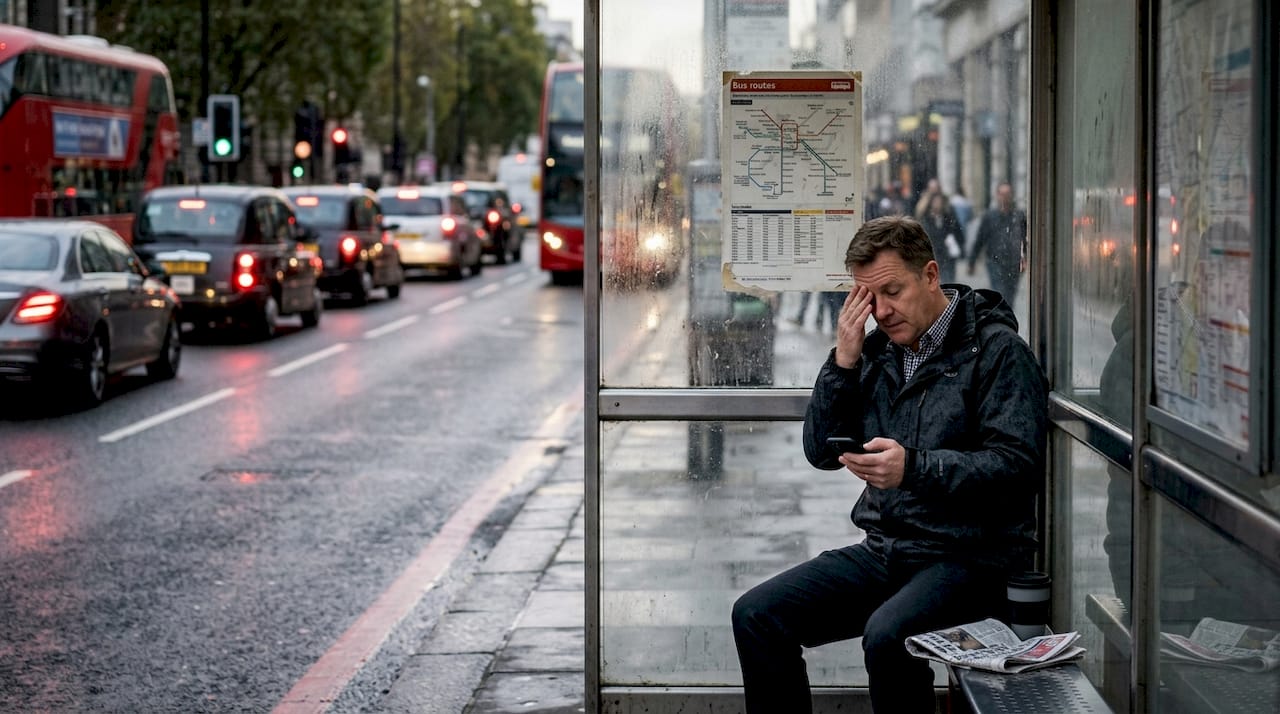
Housing represents the most significant urban stressor for many residents. Overcrowding, poor quality accommodation, and affordability pressures create chronic stress that undermines emotional stability. When housing consumes excessive income, people sacrifice other wellbeing investments like healthcare, social activities, or nutritious food. The psychological toll of housing insecurity extends beyond immediate residents, affecting children’s development and family relationship quality.
Traffic congestion generates daily stress accumulation. Lengthy commutes reduce time for restorative activities whilst increasing frustration and fatigue. Pollution exposure worsens both physical and mental health, with air quality directly affecting cognitive function and mood regulation. Noise pollution disrupts sleep and elevates baseline stress hormones, creating vulnerability to mental health problems.
| Urban stressor | Primary mental health impact | Affected population | Mitigation strategy |
|---|---|---|---|
| Housing pressure | Chronic anxiety, depression | Low to middle income groups | Affordable housing policy, co-housing models |
| Traffic congestion | Daily stress accumulation, fatigue | Commuters, families | Public transport investment, flexible work |
| Air pollution | Cognitive impairment, mood disorders | All residents, especially children | Emission controls, green infrastructure |
| Cost of living | Financial anxiety, reduced wellbeing | Young adults, service workers | Income support, subsidised essentials |
| Employment stress | Burnout, depression | Competitive sectors | Work-life balance policies, mental health support |
Urbanicity increases risks of depression, anxiety, and schizophrenia through both direct environmental impacts and indirect social mechanisms. Cities with better management of these stressors demonstrate lower mental health burdens. Copenhagen and Singapore, for example, invest heavily in public transport, green infrastructure, and affordable housing, achieving better population mental health outcomes than similarly sized cities with less comprehensive approaches.
Individuals can reduce urban stress effects through intentional strategies:
- Establish firm boundaries between work and personal time to prevent employment stress spillover
- Prioritise living situations that minimise commute times, even if requiring housing compromises elsewhere
- Create daily routines incorporating brief nature exposure or indoor green elements
- Build strong local social networks that provide practical and emotional support
- Advocate for neighbourhood improvements addressing specific local stressors
- Monitor personal stress signals and seek professional support before problems escalate
Awareness of specific stressors enables proactive environmental modifications. Recognising that your irritability stems from traffic noise rather than personal failings, for instance, motivates soundproofing investments or schedule adjustments. Similarly, understanding pollution’s cognitive effects encourages air quality monitoring and filtration solutions.
Pro Tip: Identify your top two urban stressors and develop specific mitigation plans for each, rather than trying to address all pressures simultaneously, which often leads to overwhelm.
The cumulative burden of urban stressors affects different groups unequally. Socioeconomic disadvantage amplifies exposure whilst limiting coping resources. Marginalised communities often live in areas with worse pollution, housing quality, and green space access. This creates mental health disparities that reflect environmental injustice as much as individual vulnerability. Addressing urban mental health requires systemic changes alongside personal coping strategies.
Personality and behavioural differences: urban versus rural living
Where you choose to live both reflects and shapes your personality. Openness and extraversion preferences strongly predict residential environment choices. Analysis of 3.6 million personality assessments reveals clear patterns: high openness individuals gravitate towards urban areas, seeking novelty, cultural diversity, and stimulation. Low openness personalities prefer rural or small town settings, valuing familiarity, tradition, and predictability.
Urban dwellers typically score higher on openness, embracing new experiences and diverse perspectives. This trait drives appreciation for cities’ cultural offerings, from international cuisine to experimental art scenes. Urban environments reciprocally reinforce openness by providing constant novelty and requiring adaptability. The relationship creates a selection effect where cities attract and retain open personalities whilst encouraging openness development in residents.
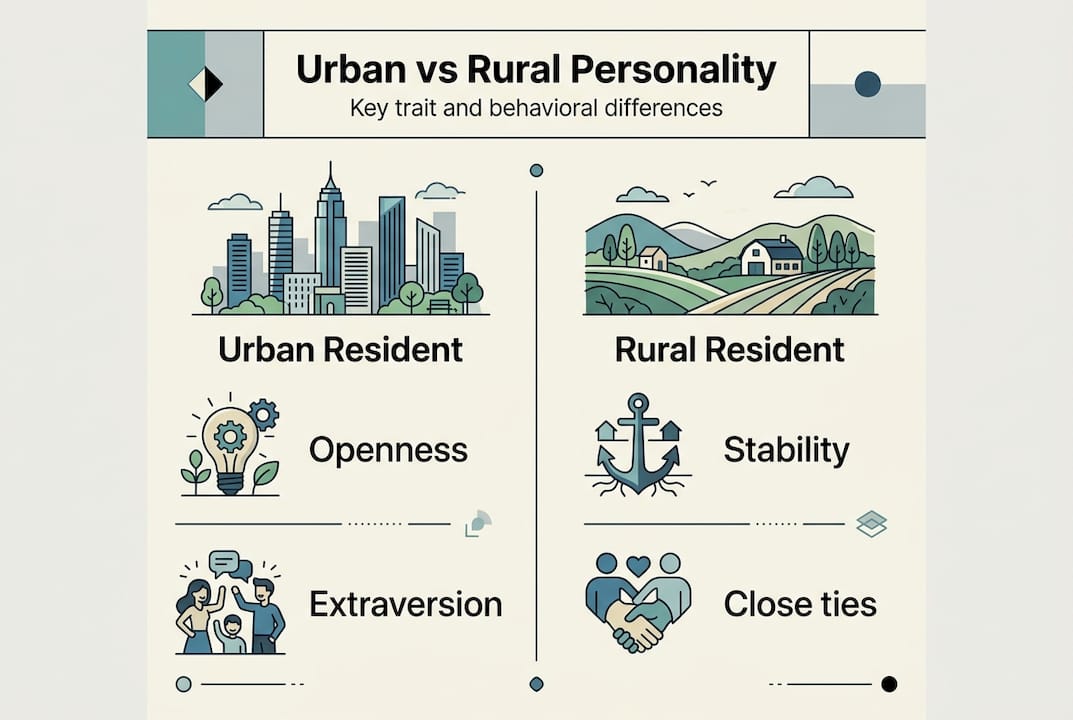
Rural residents often score lower on extraversion and openness, finding satisfaction in stable social networks and familiar routines. These personality patterns suit environments where community continuity and shared traditions provide social structure. Rural settings reinforce these traits by rewarding consistency and offering fewer novelty-seeking opportunities. Neither pattern represents superiority, rather different adaptations to distinct environmental demands.
| Personality dimension | Urban pattern | Rural pattern | Behavioural implications |
|---|---|---|---|
| Openness | Higher scores | Lower scores | Urban: seeks variety, change; Rural: prefers routine, tradition |
| Extraversion | Mixed, often higher | Often lower | Urban: larger social networks; Rural: deeper but smaller networks |
| Agreeableness | Lower (early urban exposure) | Higher | Urban: more competitive; Rural: more cooperative |
| Conscientiousness | Similar across settings | Similar across settings | Both value reliability, differs in expression |
Behavioural consequences extend throughout daily life:
- Urban residents change jobs, homes, and social circles more frequently
- Rural dwellers maintain longer-term commitments and relationships
- Cities encourage experimentation with identity, lifestyle, and beliefs
- Rural areas support stable self-concepts and consistent value systems
- Urban social interactions tend towards breadth over depth
- Rural relationships prioritise intimacy and long-term reciprocity
Social networks explain much of the urban-rural mental health gap. Urban residents often struggle with loneliness despite population density, as weak social ties provide less emotional support. Rural strong-tie networks buffer against stress but can feel constraining for those seeking independence or difference. Neither model universally serves mental health better; effectiveness depends on personality fit.
The mismatch between personality and environment creates particular stress. High openness individuals in rural areas often experience frustration and isolation, lacking outlets for curiosity and growth. Low openness people in cities may feel overwhelmed and exhausted by constant change and stimulation. Recognising these patterns helps explain why some people thrive whilst others struggle in identical environments.
Personality-environment fit affects major life decisions. Career opportunities concentrate in cities, sometimes forcing low openness individuals into uncomfortable environments for economic reasons. This misalignment contributes to urban mental health problems. Conversely, high openness individuals in rural areas may sacrifice personality expression for family or financial stability, creating different psychological costs.
Understanding these dynamics supports better self-awareness and life planning. If you score high on openness, creating urban sanctuaries within your home provides necessary respite from constant stimulation. If you’re lower in openness but live in cities, establishing routines and familiar spaces helps manage environmental demands. Personality insights guide environmental modifications that support wellbeing regardless of location.
The relationship between personality and place operates across life stages. Young adults often seek urban environments for exploration, regardless of baseline personality. Middle age may prompt reassessment, with some gravitating towards settings better matching their developed personality. Recognising these patterns as normal rather than failure helps navigate transitions with less distress.
Explore urban wellbeing with Stomart
Transforming your urban living space supports emotional health regardless of city stressors. Stomart offers practical resources for creating environments that buffer against urban pressures whilst enhancing daily wellbeing. Our guides on incorporating natural elements show how indoor plants, natural materials, and biophilic design principles bring nature’s mental health benefits into your home. Discover strategies for creating relaxing spaces that provide essential restoration from urban stimulation. Whether you’re designing a meditation corner, selecting mood-enhancing house plants, or reimagining your entire living environment, our evidence-based advice helps you build spaces supporting personality expression and emotional resilience in city life.
FAQ
How does early childhood urban living affect personality?
Early urban exposure accelerates puberty timing and reduces medial prefrontal cortex volume, leading to lower agreeableness and reward dependence in adulthood. These personality changes increase vulnerability to depression and schizophrenia. The effects persist throughout life, shaping emotional regulation and social behaviour patterns independently of later environmental changes.
What types of urban environments best support emotional wellbeing?
Quality green spaces with diverse vegetation, comfortable seating, and good maintenance significantly reduce stress and depression. Relaxing, clean natural areas within 10 minutes’ walk provide the strongest benefits. Culturally rich neighbourhoods with strong local social networks also enhance wellbeing, particularly when combined with accessible nature and manageable urban stressors.
Why do cities increase the risk of mental disorders?
Urban stressors including housing pressure, traffic congestion, pollution, cost of living, and employment demands create chronic psychological burdens. These factors elevate depression, anxiety, and schizophrenia risks through both direct biological impacts and social isolation. Loneliness despite population density and weak social networks compound these effects, particularly in disadvantaged neighbourhoods.
How do personality traits differ between urban and rural residents?
Urban dwellers typically score higher on openness and often extraversion, seeking novelty and diverse experiences. Rural residents tend towards lower openness and extraversion, preferring stability and familiar social networks. These patterns reflect both selection effects, where personalities choose matching environments, and environmental shaping, where places reinforce compatible traits over time.