

How environmental harm reflects our inner disconnection
on Mar 11, 2026Environmental destruction isn’t just something happening “out there” to forests and oceans. It’s simultaneously unfolding within us, mirroring a profound psychological disconnection that shapes how we relate to ourselves, others, and the living world. This article explores the surprising science linking ecological degradation to human mental health, revealing how psychological integrity is inseparable from ecological integrity and what this means for your wellbeing.
Key takeaways
| Point | Details |
|---|---|
| Inner disconnection mirrors ecological harm | Psychological wellbeing and environmental health are fundamentally interconnected, not separate issues. |
| Nature connection improves mental health | Regular meaningful contact with nature reduces stress, anxiety, and enhances life satisfaction across cultures. |
| Urban living weakens nature bonds | City environments typically limit immersive nature experiences, affecting both wellbeing and ecological behaviour. |
| Technology’s impact varies | Digital tools can either harm or strengthen nature connection depending on how intentionally they’re used. |
| Cultural factors shape connection | Genetics, spiritual values, and lifestyle contexts significantly influence individual nature connectedness. |
Understanding the psychological roots of ecological degradation
The mental health crisis sweeping across modern societies shares deep roots with the environmental crisis. Contemporary research reveals that Mother Nature Attachment Theory (MNAT) proposes wellbeing emerges from reciprocal participation in ecological systems, fundamentally challenging the notion that humans thrive through separation from nature. This isn’t metaphorical poetry. It’s measurable science.
When ecosystems collapse, human psychological stability fractures alongside them. Psychological integrity is inseparable from ecological integrity, affecting our sense of identity, safety, and continuity. The anxiety, depression, and ecological grief increasingly documented across populations aren’t separate from environmental upheaval. They’re direct psychological responses to ruptured relationships with living systems that once provided stability and meaning.
“Contemporary mental health crises stem from ruptured human-nature attachments, not merely from individual pathology or social factors alone.”
MNAT reframes wellbeing as emerging through active, reciprocal engagement with ecological communities rather than detachment from them. This perspective dissolves the false boundary between “inner” psychological health and “outer” environmental conditions. Your mental state isn’t contained within your skull. It extends into the air you breathe, the soil that grows your food, and the broader web of relationships connecting you to other species. When those relationships break down through pollution, habitat destruction, or climate disruption, your psychological foundations erode too.

The evidence supporting this connection spans multiple disciplines. Neuroscience shows how nature exposure affects brain structure and stress regulation. Epidemiology links environmental degradation to increased rates of anxiety and depression. Anthropology reveals how indigenous communities maintaining intact nature relationships demonstrate resilience absent in disconnected populations. Understanding these psychological roots through frameworks like MNAT opens pathways to addressing both ecological and mental health crises simultaneously.
The impact of nature connectedness on mental health and social bonds
The benefits of feeling connected to nature extend far beyond pleasant weekend walks. Research consistently demonstrates that nature connectedness is positively linked to lower stress, anxiety, and psychosomatic symptoms across diverse populations and contexts. This isn’t about occasional nature tourism. It’s about cultivating ongoing psychological bonds with living systems.
Studies examining multicultural youth populations reveal particularly compelling patterns. Nature-based experiences foster social connectedness, especially among young people navigating complex identity formation in diverse cultural contexts. Time spent in nature doesn’t just reduce individual stress. It builds bridges between people, creating shared experiences that transcend cultural differences and strengthen community cohesion.
The mental health benefits manifest across multiple dimensions:
- Enhanced meaning in life and life satisfaction reported by individuals with stronger nature bonds
- Reduced symptoms of depression and anxiety compared to nature-disconnected populations
- Improved physical health markers including lower blood pressure and cortisol levels
- Greater psychological resilience during stressful life transitions and challenges
- Increased capacity for attention restoration and cognitive functioning
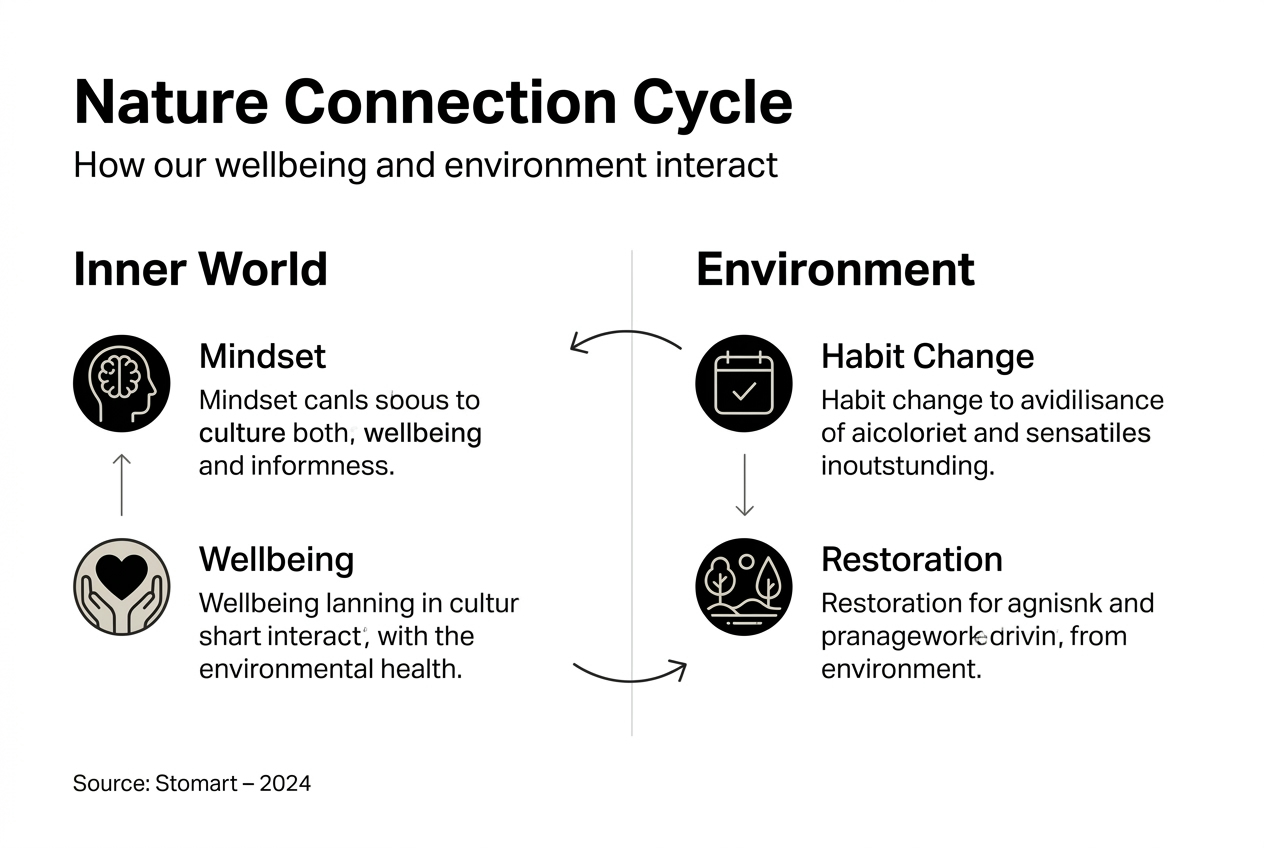
These benefits create reinforcing cycles. As people develop stronger nature connections, they experience improved wellbeing, which motivates further ecological engagement. This cycle extends to pro-environmental behaviour. Individuals who feel psychologically bonded with nature demonstrate greater concern for environmental issues and take more action to protect ecosystems. The connection works bidirectionally: caring for nature enhances your mental health, and mental health improvements deepen your capacity to engage meaningfully with ecological communities.
For young people specifically, understanding nature-based social connectedness provides crucial developmental support. Adolescents forming identity and navigating social relationships benefit enormously from nature experiences that offer both solitude for self-reflection and opportunities for shared connection. The mental health benefits of bringing nature indoors through plants extends these advantages into daily living spaces.
Urbanisation, technology, and cultural influences on nature connection
The factors shaping individual nature connectedness are remarkably complex, involving everything from where you live to your genetic makeup. Urbanisation limits interaction and meaningful experiences with nature, creating populations increasingly disconnected from ecological rhythms and relationships. City dwellers typically experience nature as managed parks rather than dynamic living systems, fundamentally altering the quality of connection possible.
Research comparing urban and regional populations reveals stark differences:
| Factor | Urban Living | Regional/Rural Living |
|---|---|---|
| Nature contact frequency | Limited, scheduled visits | Integrated into daily routines |
| Experience quality | Managed, controlled environments | Diverse, dynamic ecosystems |
| Pro-environmental behaviour | Lower engagement rates | Higher participation and concern |
| Wellbeing indicators | Increased stress and anxiety | Greater life satisfaction reported |
| Social nature connection | Individual, recreational focus | Community and subsistence integration |
Technology’s role proves equally nuanced. Technology use can harm or enhance nature connection depending on intentionality. Excessive screen time displaces direct nature experiences, particularly among children and adolescents. Yet digital tools used mindfully can deepen ecological awareness through citizen science projects, nature identification apps, and virtual connections to distant ecosystems.
Cultural factors add another layer of complexity. Populations maintaining spiritual relationships with land and non-human species demonstrate significantly stronger nature connectedness than secular, industrialised cultures. Indigenous worldviews recognising nature as animate and relational foster psychological bonds largely absent in Western materialist frameworks. Surprisingly, genetic and environmental factors both influence individual differences, with genetics accounting for roughly half the variance in nature connection among individuals.
Pro Tip: Even in urban environments, you can strengthen nature connection by choosing architectural and design approaches that integrate natural elements into living spaces, creating daily contact points with living systems.
This genetic component challenges simplistic environmental determinism. Some people naturally gravitate towards nature regardless of upbringing, whilst others require more intentional cultivation of ecological relationships. Understanding your own predisposition helps tailor strategies for developing deeper nature bonds. Urban living doesn’t doom you to disconnection, but it requires conscious effort to maintain meaningful ecological relationships amidst concrete and screens.
Practical steps to heal human-nature disconnection and promote ecological well-being
Restoring fractured relationships between humans and nature requires moving beyond awareness into active practice. The concept of ecological mentalising and reciprocal participation offers a framework for this healing work, emphasising mutual recognition and care between human and more-than-human communities.
Here are evidence-based strategies to rebuild your nature connection:
-
Establish regular unmediated nature contact. Aim for at least two hours weekly in natural settings, minimising technological mediation. Let your senses directly engage with birdsong, wind patterns, and seasonal changes rather than experiencing nature through screens.
-
Practise ecological reciprocity. Move beyond passive nature consumption towards active participation. This might include habitat restoration, citizen science, or simply tending plants and observing their responses to your care.
-
Adopt animistic awareness. Experiment with perceiving nature as animate and relational rather than as passive resource. Notice how trees respond to weather, how birds communicate, how soil ecosystems interact. This shift in perception fundamentally alters your psychological relationship with living systems.
-
Create nature rituals in daily life. Integrate small nature contacts throughout your day: morning bird watching, lunch in parks, evening sky observation. Consistency matters more than duration for building lasting bonds.
-
Limit extractive technology use. Audit your screen time and redirect portions towards direct nature engagement. When using technology, choose applications that deepen rather than replace ecological relationships.
-
Engage with indigenous and land-based wisdom. Ancient communities understood living well through integration with local ecosystems. Learning from these traditions offers alternatives to disconnected modern lifestyles.
-
Join community nature initiatives. Collective ecological engagement amplifies individual benefits whilst building social connections. Community gardens, conservation groups, and nature education programmes provide structured opportunities for regular nature contact.
Pro Tip: Start with whatever nature access you currently have. A window plant, local park, or even attentive observation of weather patterns can serve as entry points for developing deeper ecological relationships.
The psychological benefits of these practices extend beyond individual wellbeing. As you develop stronger nature bonds, you naturally shift towards behaviours supporting ecological health. This creates positive feedback loops: caring for nature enhances your mental health, which increases your capacity and motivation for further ecological engagement. The healing isn’t one-directional. You’re simultaneously healing yourself and participating in broader ecological restoration.
Explore more on nature and well-being at Stomart
Deepening your understanding of human-nature connection supports both personal wellbeing and environmental health. Stomart offers curated resources exploring these interconnections through practical guides and thoughtful perspectives. Discover detailed insights on health benefits of house plants for bringing nature into your daily living spaces, or explore how modern architecture improves wellbeing through nature integration. These resources provide actionable pathways for healing the inner and outer disconnections affecting contemporary life, supporting your journey towards greater ecological and psychological integrity.
Frequently asked questions
How does environmental degradation affect mental health?
Environmental damage increases anxiety, depression, trauma, and ecological grief across diverse populations globally. This isn’t indirect or metaphorical. Ecological disruption directly destabilises psychological wellbeing by rupturing fundamental human-nature attachments that provide meaning, identity, and emotional security.
What is Mother Nature Attachment Theory (MNAT)?
MNAT posits psychological wellbeing emerges from reciprocal participation in ecological systems rather than separation from them. It challenges modernist assumptions that human progress requires distancing from nature, instead framing health as fundamentally ecological. This theory explains why nature disconnection correlates so strongly with mental health decline.
How does urbanisation influence human connection to nature?
Urbanisation reduces immersive nature experiences, leading to weaker nature bonds and measurably lower wellbeing indicators. City dwellers typically experience nature as managed recreational spaces rather than dynamic living systems, fundamentally limiting the quality of ecological relationships possible. Regional and rural populations generally maintain stronger nature connections and report higher life satisfaction.
Can technology help us reconnect with nature?
Technology use can decrease or enhance nature connectedness depending on intentionality and usage patterns. Excessive, mindless screen time displaces direct nature contact and weakens ecological bonds. However, digital tools used deliberately for citizen science, nature identification, or ecological education can deepen awareness and strengthen pro-environmental behaviour when balanced with unmediated nature experiences.