
Recent Posts

- Dec 10, 2025


- Dec 08, 2025


- Dec 07, 2025


- Dec 05, 2025

- Dec 05, 2025


- Dec 02, 2025


How to Care for Beauty Tools Naturally: Simple Guide
Contents
Most british beauty lovers are surprised to learn that about 45 percent of makeup brushes harbor bacteria linked to skin infections. Keeping your favourite tools clean goes beyond appearance—it protects your health and extends the life of everything from brushes to electronic devices. With practical strategies and a focus on natural methods, you can achieve safe, effective maintenance without relying on harsh chemicals.
Quick Summary
| Key Point | Explanation |
|---|---|
| 1. Gather Natural Cleaning Supplies | Collect natural agents like baking soda and vinegar to clean beauty tools safely without harsh chemicals. |
| 2. Clean Thoroughly for Hygiene | Use a warm water and soap solution to clean tools effectively, ensuring thorough rinsing to remove bacteria. |
| 3. Disinfect with Natural Solutions | Create a vinegar-water solution or baking soda paste for effective disinfection of beauty tools without chemicals. |
| 4. Store Tools Properly to Prevent Contamination | Use dry, ventilated containers for storage; keep tools bristles up to maintain shape and hygiene. |
| 5. Regularly Inspect and Maintain Tools | Establish a routine for checking tools for wear and damage to ensure ongoing hygiene and effectiveness. |
Stage 1: Gather Essential Cleaning Supplies
When preparing to clean beauty tools naturally, gathering the right supplies is crucial. You will want to assemble a collection of gentle yet effective cleaning materials that can sanitise your tools without harsh chemicals. Understanding biosafety practices for cleaning beauty equipment helps ensure thorough and safe maintenance.
Start by collecting natural disinfecting agents like sodium bicarbonate (baking soda), white vinegar, and natural antiseptic compounds such as alum. These ingredients offer powerful cleaning properties without introducing toxic residues. You will also need clean microfibre cloths, soft bristled brushes, disposable gloves, rubbing alcohol (isopropyl alcohol at 70%), and glass or ceramic containers for mixing cleaning solutions.
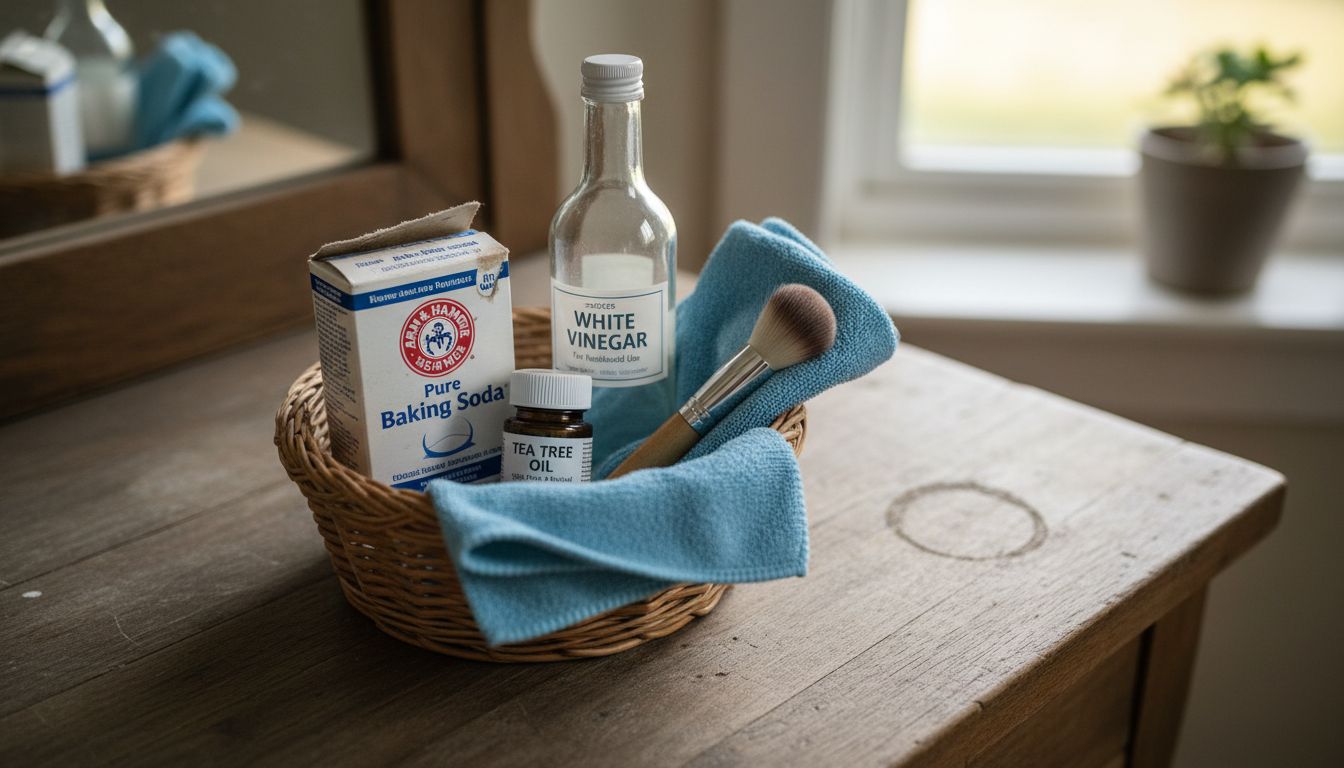
Pro tip: Organise your cleaning supplies in a dedicated kit or container to keep everything accessible and prevent cross contamination. Separate cleaning tools for makeup brushes, electronic beauty devices, and metal implements to maintain proper hygiene standards. By preparing your supplies thoughtfully, you set the stage for effective and natural beauty tool maintenance.
Ready to begin the cleaning process? Let us explore how to create safe and natural cleaning solutions in the next stage.
Stage 2: Clean Beauty Tools Thoroughly
Cleaning your beauty tools thoroughly is essential for maintaining hygiene and preventing potential skin infections. Research investigating bacterial contamination in beauty salon brushes underscores the critical importance of comprehensive cleaning practices to protect your health.
Begin by creating a cleaning solution using warm water and mild soap or the natural disinfecting agents you gathered earlier. For makeup brushes and sponges, gently massage the cleaning solution into the bristles or surface using your palm, ensuring you reach deep into the tool. Comparative studies on disinfectant effectiveness suggest that thorough rinsing is crucial for removing potential bacterial residues.
When cleaning electronic beauty tools or metal implements, use rubbing alcohol on a clean microfibre cloth to sanitise the surfaces. Avoid submerging electronic devices completely and instead focus on gentle wiping. Allow all tools to air dry completely on a clean towel in a well ventilated area, keeping them bristles down to prevent water accumulation. This method ensures your beauty tools remain clean, hygienic, and ready for their next use.
With your tools now pristine, you are prepared to move on to the next stage of maintenance and preservation.
Stage 3: Disinfect Using Natural Solutions
Disinfecting your beauty tools requires a strategic approach that combines effectiveness with natural ingredients. Scientific evaluations of natural disinfectants like alum and sodium bicarbonate demonstrate powerful bacterial elimination without harsh chemicals.
Prepare your natural disinfection solution by mixing one part white vinegar with three parts water or creating a paste with baking soda and water. For makeup brushes and applicators, research on bactericidal methods recommends thorough application of ethanol based solutions to ensure complete sanitisation. Submerge your tools in the solution for approximately five minutes, ensuring complete coverage while avoiding saturating electronic components.
After disinfecting, rinse your tools thoroughly with clean water and pat dry with a lint free towel. Allow them to air dry completely in a well ventilated area away from direct sunlight. This method not only removes harmful bacteria but also preserves the integrity of your beauty tools.
With your tools now naturally disinfected, you are ready to explore advanced preservation techniques.
Stage 4: Dry and Store Tools Properly
Proper drying and storage are crucial final steps in maintaining your beauty tools hygiene and longevity. Professional guidelines for beauty equipment storage emphasise preventing bacterial contamination through careful handling and preservation techniques.
Begin by selecting a clean dry storage area with minimal humidity and good air circulation. Use dedicated organisers or containers with ventilation to prevent moisture accumulation. Makeup brushes should be stored bristles up in vertical containers to maintain their shape and prevent bacterial growth. Research on beauty tool maintenance underscores the importance of keeping tools in dry sanitised environments to minimise potential infection risks.
For electronic beauty devices use protective cases or dust covers that allow air circulation. Silica gel packets can help absorb residual moisture and maintain a dry storage environment. Keep metal tools in sealed containers to prevent oxidation and separate different tool types to avoid cross contamination. Always store tools away from direct sunlight and heat sources which can degrade their materials and compromise their effectiveness.
With your beauty tools now expertly cleaned stored and preserved you are ready to enjoy pristine tools for your beauty routine.
Stage 5: Inspect and Maintain Regularly
Regular inspection and maintenance are critical for preserving the quality and performance of your beauty tools. Professional biosafety guidelines emphasise systematic equipment maintenance as a fundamental practice for ensuring long term effectiveness and hygiene.
Establish a monthly routine to thoroughly examine each beauty tool for signs of wear deterioration or potential damage. Check makeup brushes for loose bristles fraying or discolouration which might indicate bacterial accumulation or structural compromise. For electronic devices inspect cables connectors and surfaces for any signs of rust corrosion or electrical damage. Pay special attention to tools that frequently contact skin such as makeup applicators facial cleansing devices and electronic beauty implements.
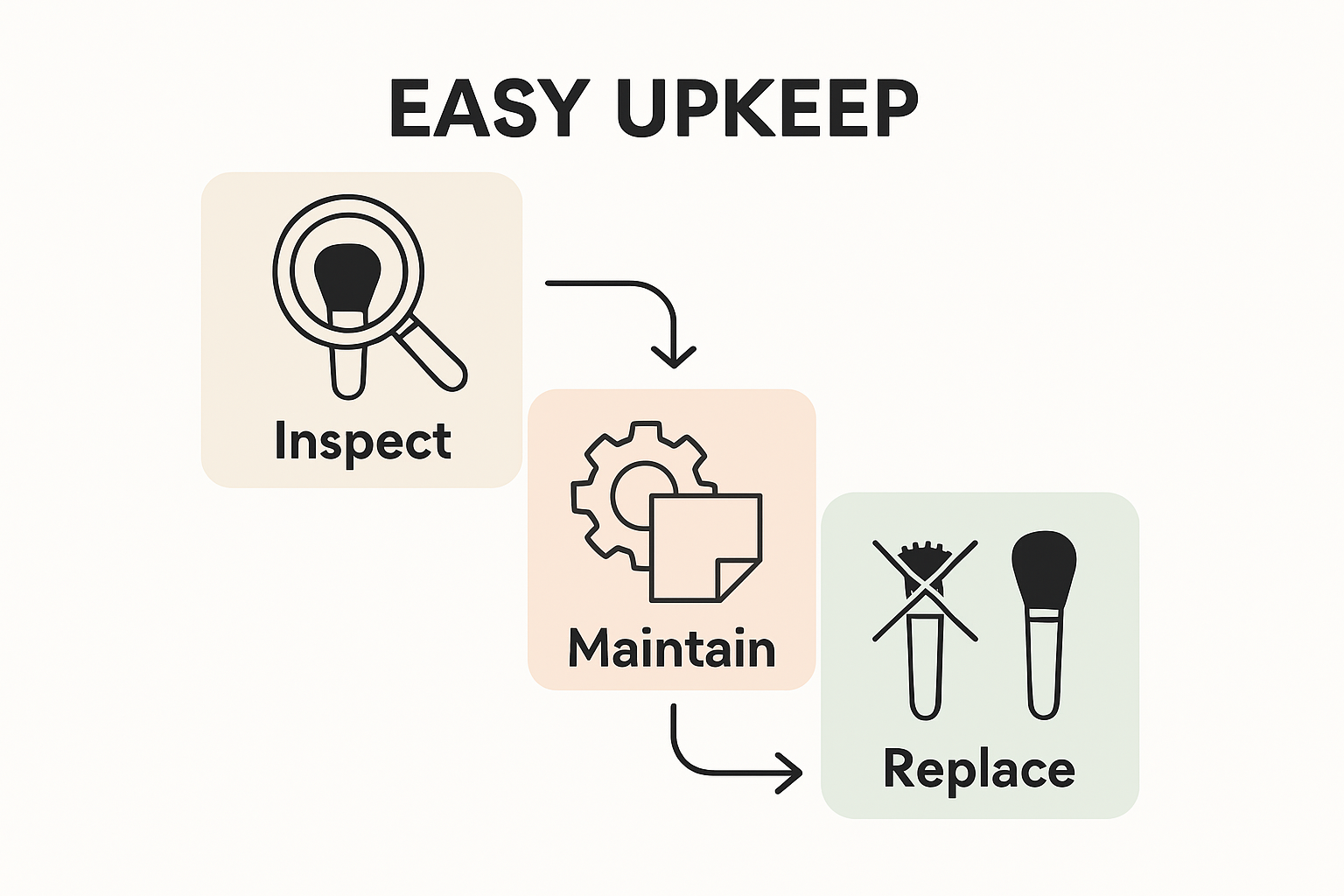
Replace tools that show significant wear or damage immediately to prevent potential skin irritation or infection. Create a simple tracking system perhaps using a digital spreadsheet or dedicated notebook to record maintenance dates replacement schedules and observations about each tool. This proactive approach ensures your beauty tools remain in optimal condition providing reliable performance and minimising potential health risks.
With consistent inspection and maintenance your beauty tools will continue to serve you effectively and safely.
Keep Your Beauty Tools Naturally Clean with the Right Supplies and Storage
Caring for your beauty tools naturally requires a careful balance of thorough cleaning, disinfecting, and proper storage to prevent bacterial contamination and maintain tool integrity. If you are looking to simplify this routine with the right products and solutions, exploring the wide selection available at Stomart.co.uk can help you achieve pristine results easily. From gentle natural disinfectants to soft brushes and effective storage organisers, you can find everything you need in one trusted place.
Take control of your beauty tool hygiene today and avoid the risks of irritation or infection by investing in quality supplies designed for natural maintenance. Visit Stomart.co.uk to discover curated beauty essentials and storage solutions that support your health and beauty goals. Browse the latest arrivals and seasonal offers now to start your journey toward safer, cleaner tools for every beauty routine.
Frequently Asked Questions
How often should I clean my beauty tools naturally?
You should clean your beauty tools thoroughly at least once a week. Develop a routine to gather your tools and follow the cleaning process outlined in the guide to maintain hygiene.
What natural ingredients can I use to disinfect my beauty tools?
Natural disinfecting agents include white vinegar, sodium bicarbonate, and alum. Mix one part white vinegar with three parts water for an effective cleaning solution.
How should I dry and store my beauty tools after cleaning?
After cleaning, allow your beauty tools to air dry completely in a well-ventilated area. Store them in a dry place, with makeup brushes bristles up in vertical containers to maintain their shape and prevent bacterial growth.
What should I look for when inspecting my beauty tools?
Examine your beauty tools monthly for signs of wear, such as loose bristles or fraying. If you notice significant damage, replace the tool immediately to ensure your safety and effectiveness in your beauty routine.
Can I use rubbing alcohol to clean my electronic beauty tools?
Yes, use rubbing alcohol on a clean microfibre cloth to gently clean your electronic beauty tools. Make sure to avoid submerging them in any liquid and to focus on wiping the surfaces instead.
How do I create a cleaning solution for makeup brushes?
To create a cleaning solution for makeup brushes, mix warm water with mild soap or your chosen natural disinfectant. Gently massage the solution into the brush bristles using your palm, ensuring thorough cleaning.
Recommended
- Curly Hair Extensions: Instant New Look - STOMART.CO.UK
- Bamboo Charcoal Soap Bar - Ultimate Natural Skincare Solution - STOMART.CO.UK
- Choosing The Right Bath Soap For Your Skin Type - STOMART.CO.UK
- Quality Spa‑Like Bathroom Accessories - STOMART.CO.UK
- Eco Friendly Cleaning Tips For Busy European Mums – The Zoofamily
- Achieve Sleek Hair with Natural Hair Straightening Treatment | MyHair
Share
- Dec 08, 2025
- Dec 07, 2025
- Dec 05, 2025
- Dec 05, 2025
- Dec 02, 2025


- Dec 01, 2025

- Dec 01, 2025

- Nov 30, 2025


- Nov 30, 2025

- Nov 29, 2025


- Nov 25, 2025

- Nov 24, 2025

- Nov 23, 2025

- Nov 22, 2025


- Nov 21, 2025


- Nov 21, 2025

- Nov 21, 2025

- Nov 21, 2025

- Nov 21, 2025


- Nov 21, 2025


- Nov 18, 2025


Recent Posts
- Dec 10, 2025
- Dec 08, 2025
- Dec 07, 2025
- Dec 05, 2025
- Dec 05, 2025
- Dec 02, 2025