

The problem with 'more': why enough feels impossible
on Mar 12, 2026We live in a culture that glorifies accumulation, yet studies show that pursuing ‘more’ often reduces satisfaction rather than enhancing it. Despite working harder and buying more, that sense of ‘enough’ remains frustratingly out of reach. This article explores why modern society makes contentment so elusive, unpacks the forces driving endless consumption, and reveals what genuinely fosters lasting wellbeing.
Key takeaways
| Point | Details |
|---|---|
| Diminishing returns | The initial pleasure from consumption fades quickly through hedonic adaptation, making ‘more’ less satisfying over time. |
| Manufactured dissatisfaction | Consumer capitalism thrives on creating discontent through advertising, social comparison, and platform design. |
| Toxic abundance patterns | Relentless accumulation often masks deep scarcity fears, leading to anxiety and control behaviours rather than genuine security. |
| True wellbeing sources | Relationships, autonomy, and meaningful activities predict life satisfaction better than income or possessions. |
| Breaking the cycle | Recognising these patterns and focusing on intrinsic values helps shift from endless seeking to authentic contentment. |
Why does ‘more’ feel impossible to reach?
The human brain adapts remarkably quickly to new levels of pleasure. Research on hedonic adaptation demonstrates that the enjoyment from consuming more diminishes rapidly. Jean Kristeller’s famous tomato experiment illustrates this perfectly: the first tomato tastes extraordinary, the second good, but by the third, pleasure vanishes entirely. Your taste buds tire, and what was once delightful becomes ordinary.
This biological reality extends beyond food to every aspect of modern life. That promotion you craved feels amazing for a week, then normal. The new phone excites you briefly before becoming just another possession. Yet society insists the problem lies with you, not the system. We’re told we simply haven’t worked hard enough or bought the right things.
The trap deepens because ‘more’ functions as a moving target. It’s deliberately vague, making it impossible to achieve. How much more money equals enough? How many more followers satisfy? Without concrete endpoints, consumerism’s influence on desire keeps us perpetually chasing shadows.
Factors driving the ‘more’ mindset:
- Hedonic adaptation reduces pleasure from repeated experiences
- Vague goals create unattainable targets
- Cultural narratives blame personal failure rather than systemic issues
- Social conditioning equates self-worth with productivity and acquisition
Pro Tip: Replace vague desires for ‘more’ with specific, meaningful objectives. Instead of wanting ‘more money’, define what financial security actually looks like for your circumstances, then stop when you reach it.
The societal machinery behind the endless quest for ‘more’
Modern culture operates on manufactured discontent. Consumer capitalism requires constant dissatisfaction to function, deliberately creating problems that products supposedly solve. Advertising doesn’t just inform; it engineers feelings of inadequacy. You’re too old, too plain, too ordinary until you buy the solution being sold.
Social media amplifies this exponentially. Platforms curate highlight reels that make everyone else’s life appear effortlessly perfect whilst yours feels perpetually insufficient. The comparison trap becomes inescapable because these platforms profit from your attention and emotional engagement. The longer you scroll feeling inadequate, the more advertisements you see.
Younger generations face particularly intense pressure. Research on compulsive buying in Generation Z reveals that digital platforms significantly influence impulsive, hedonic purchases. The combination of instant gratification, influencer culture, and algorithmic targeting creates powerful psychological hooks that bypass rational decision-making.
Compulsive buying disorder isn’t just about wanting things. It stems from disturbances in identity formation and the pursuit of enjoyment in a world that constantly suggests you’re not enough. Shopping becomes an attempt to construct identity and feel pleasure in an environment designed to prevent lasting satisfaction. Understanding how consumerism rewires desire helps explain why willpower alone rarely breaks these patterns.
Key societal forces perpetuating ‘more’:
- Advertising that manufactures needs and inadequacy
- Social comparison intensified by curated digital content
- Platform algorithms designed to maximise engagement and impulsive decisions
- Cultural myths equating effort with worth and consumption with identity
Understanding toxic abundance and its effects
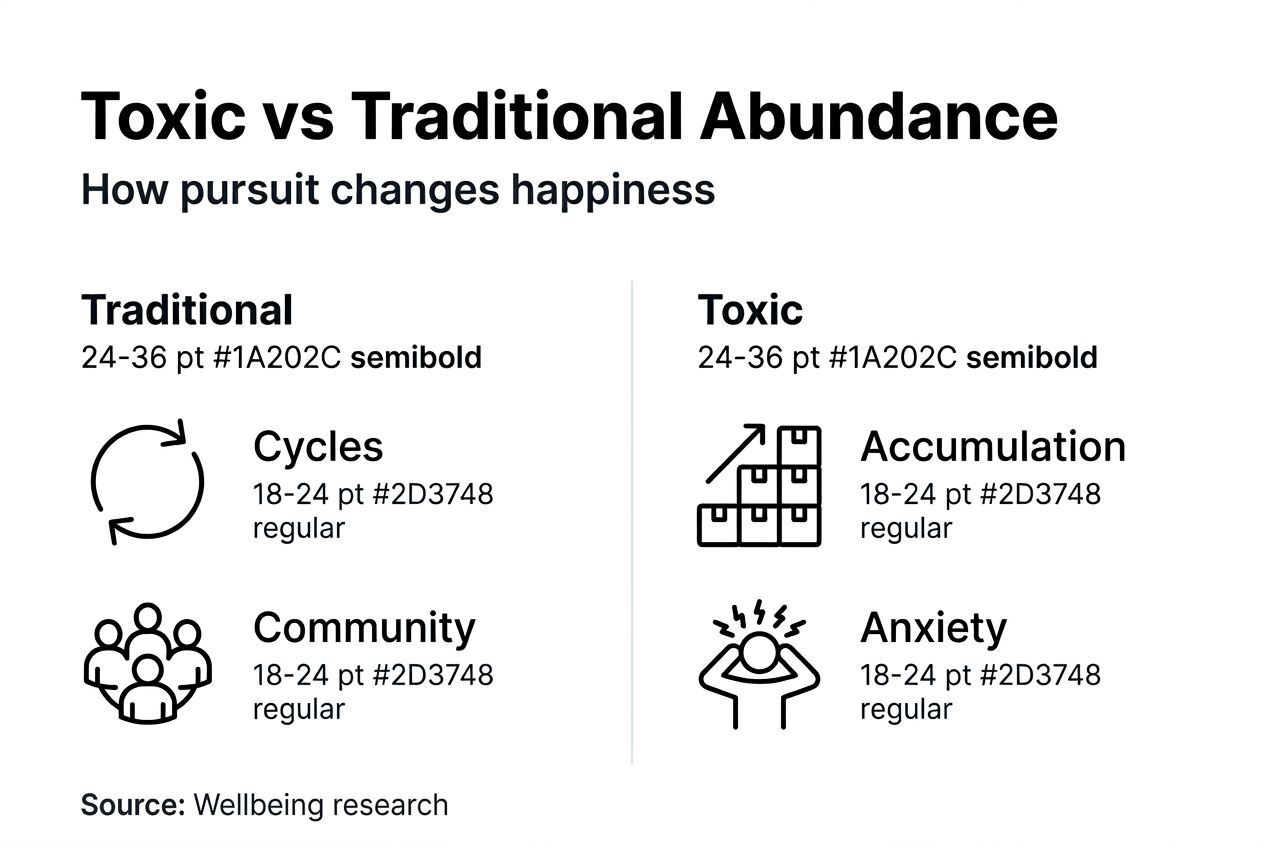
Not all abundance operates the same way. Traditional abundance, observed in ancient communities living well, involved cycles of plenty and scarcity, gratitude for what existed, and sharing resources communally. It recognised natural limits and celebrated sufficiency.
Toxic abundance represents a distorted modern version characterised by relentless accumulation, control, and the belief that more always equals better. Paradoxically, it stems from scarcity mindset rather than genuine security. People hoard resources, opportunities, and attention because deep down they fear there’s never enough, even when surrounded by excess.
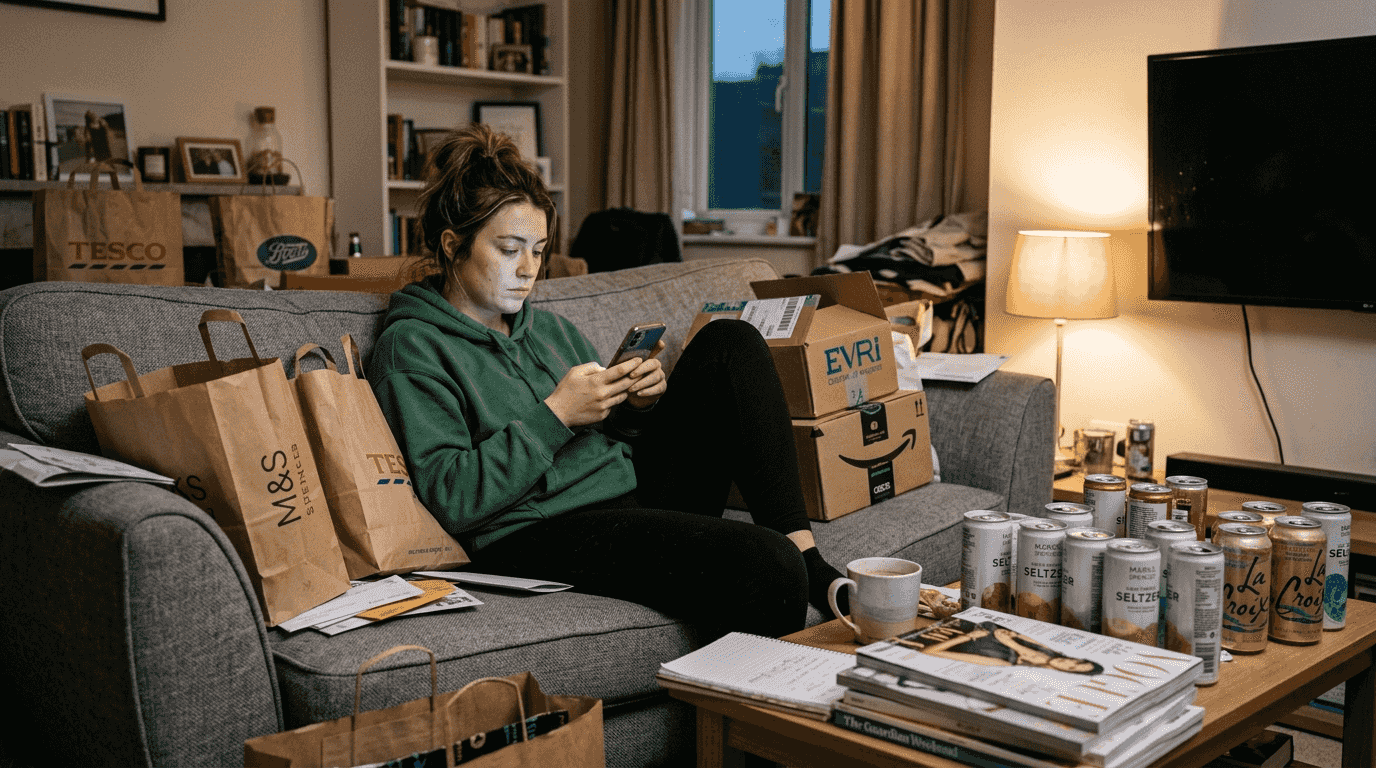
Seven patterns define toxic abundance: entitlement (believing you deserve more than others), control (micromanaging resources and people), denial (refusing to acknowledge impacts), hustle culture (equating worth with productivity), hoarding (accumulating far beyond need), thought-policing (suppressing doubts about the system), and spiritual bypass (using positivity to avoid genuine problems).
The psychological toll proves significant. Anxiety, exhaustion, and disconnection emerge when abundance becomes toxic. The constant drive for more prevents presence and gratitude. You can’t enjoy what you have because you’re fixated on what’s missing. This creates a feedback loop where accumulation increases yet satisfaction plummets.
| Mindset | Traditional abundance | Toxic abundance |
|---|---|---|
| Orientation | Cyclical, recognising seasons of plenty and scarcity | Linear, pursuing endless growth |
| Motivation | Gratitude and sufficiency | Fear and control |
| Resource approach | Sharing and communal benefit | Hoarding and individual accumulation |
| Outcome | Contentment and connection | Anxiety and isolation |
Pro Tip: Notice when accumulation stems from fear rather than genuine need. If acquiring more creates anxiety instead of ease, you’ve likely encountered toxic abundance patterns worth examining.
Real paths to satisfaction: beyond possessions
Once basic needs are met, material wealth contributes minimally to wellbeing. Psychological research consistently demonstrates that autonomy, competence, meaningful relationships, and purpose predict life satisfaction far more reliably than possessions or status goods.
The data tells a compelling story. Income increases yield diminishing returns to happiness after meeting fundamental needs. Meanwhile, experiential spending, particularly on activities shared with others, predicts sustained life satisfaction better than material consumption regardless of income level. The experiences create memories and strengthen bonds, whilst purchases simply clutter spaces.
Materialism itself correlates negatively with wellbeing. People who prioritise extrinsic goals like wealth, fame, and image report lower satisfaction, more anxiety, and weaker relationships than those focused on intrinsic values. This isn’t about rejecting comfort but recognising that past a certain threshold, chasing more possessions actively harms what matters most.
Environments matter too. Modern architecture influences mood and memory, suggesting that thoughtful design enhances wellbeing more than expensive furnishings. Quality of space trumps quantity of stuff.
| Factor | Correlation with life satisfaction | Notes |
|---|---|---|
| Income (after basic needs met) | Weak positive, diminishing quickly | Initial gains matter; additional wealth adds little |
| Material consumption | Negative correlation | More possessions often decrease satisfaction |
| Experiential spending | Strong positive | Especially activities involving relationships |
| Intrinsic goal pursuit | Strong positive | Autonomy, relationships, meaning predict wellbeing |
Intrinsic values that foster lasting happiness:
- Developing competence in meaningful skills
- Nurturing deep, authentic relationships
- Contributing to something larger than yourself
- Exercising autonomy over life choices
- Pursuing growth and learning for their own sake
The shift from external validation to internal meaning transforms the entire equation. You stop measuring worth by possessions and start evaluating life by connections, experiences, and contributions. Ironically, this often leads to greater material security because you’re no longer compulsively spending to fill psychological voids.
Discover balanced living with Stomart
At Stomart, we recognise that true satisfaction comes from thoughtful choices rather than endless accumulation. Our approach emphasises quality products that serve genuine needs, supporting mindful consumption that enhances wellbeing without feeding toxic patterns. Explore our resources on how consumerism shapes desire and discover practical ways to embrace balanced living. We’re here to help you choose intentionally, focusing on what truly matters rather than what marketing says you should want.
FAQ
Why does the desire for more never seem satisfied?
Hedonic adaptation causes your brain to quickly adjust to new levels of pleasure, making previous gains feel ordinary. Social comparison amplified by platforms ensures you’re constantly exposed to people with more, resetting your baseline expectations upward. Marketing deliberately manufactures dissatisfaction to drive consumption, creating an endless cycle where satisfaction remains perpetually out of reach.
How does toxic abundance affect mental health?
Toxic abundance creates chronic anxiety because it stems from scarcity fears despite surface excess. The constant push for more prevents presence and gratitude, leading to exhaustion and disconnection. Patterns like hustle culture, hoarding, and control behaviours indicate that accumulation masks deeper insecurity rather than creating genuine security. Recognising these signs allows you to address root causes instead of accumulating more as a failed solution.
What practical steps help me feel content with ‘enough’?
Focus on strengthening relationships and pursuing meaningful activities rather than acquiring possessions. Define specific, concrete goals instead of vague desires for ‘more’, then genuinely stop when achieved. Practice gratitude for what exists rather than fixating on what’s missing. Learn from ancient communities’ wisdom about living well, which emphasised sufficiency, sharing, and cyclical thinking rather than endless growth. Regular mindfulness helps distinguish genuine needs from manufactured wants.
Can I enjoy nice things without falling into the ‘more’ trap?
Absolutely. The issue isn’t enjoyment but the belief that happiness requires constant upgrades. Choose quality items that genuinely enhance life, then appreciate them fully rather than immediately seeking the next thing. Emotional buying often creates environmental harm, so making intentional purchases benefits both wellbeing and sustainability. The key lies in presence: truly using and valuing what you have breaks the cycle of perpetual seeking.
How do I resist social media pressure to want more?
Limit exposure to curated content that triggers comparison. Remember that platforms profit from your dissatisfaction, so algorithmic feeds deliberately show content that makes you feel inadequate. Follow accounts that inspire rather than trigger envy. Regularly audit your digital consumption and notice when scrolling increases rather than decreases contentment. Real connection happens offline; social media offers pale substitutes that often leave you feeling worse despite appearing to connect you.