
Recent Posts

- Dec 27, 2025


- Dec 24, 2025


- Dec 21, 2025


- Dec 19, 2025


Passive Cooling Explained: Lower Bills, Greener Homes
Contents
More than 40 percent of british households are exploring passive cooling strategies as soaring energy bills and intensifying heatwaves become a global concern. Eco-conscious homeowners from Canada to Australia recognize that traditional air conditioning increases cost and environmental impact. This article reveals how science-backed passive cooling methods transform homes, using design rather than machinery to enhance comfort, save money, and support planet-friendly lifestyles.
Key Takeaways
| Point | Details |
|---|---|
| Importance of Passive Cooling | Passive cooling effectively manages indoor temperatures through natural processes, reducing reliance on mechanical systems and energy consumption. |
| Core Techniques | Key strategies include thermal insulation, strategic shading, natural ventilation, and the use of thermal mass materials tailored to specific climates. |
| Benefits for Homeowners | Homeowners experience reduced utility bills, improved comfort, and enhanced air quality, while contributing to environmental sustainability. |
| Challenges to Adoption | Barriers such as high initial costs, climatic effectiveness variations, and regulatory limitations hinder widespread implementation of passive cooling strategies. |
Passive Cooling Defined and Common Misconceptions
Passive cooling represents an intelligent architectural approach that strategically uses natural processes to regulate indoor temperatures without relying heavily on mechanical systems. Passive cooling refers to a building design strategy that harnesses environmental principles to maintain comfortable living spaces through thermal management techniques.
At its core, passive cooling involves preventing heat gain and facilitating heat dissipation through clever design strategies. These include:
- Thermal insulation to minimise heat transfer
- Strategic shading to reduce solar radiation
- Optimal site planning for natural airflow
- Using thermal mass materials that absorb and release heat slowly
- Designing ventilation pathways that encourage air circulation
Many homeowners misunderstand passive cooling, believing it to be an outdated or ineffective approach. The ASEAN Centre for Energy report challenges these misconceptions, highlighting that passive cooling is a science-based, adaptable strategy applicable across various climatic conditions. Unlike traditional mechanical cooling systems, passive techniques minimise energy consumption while maintaining indoor comfort through intelligent design principles.
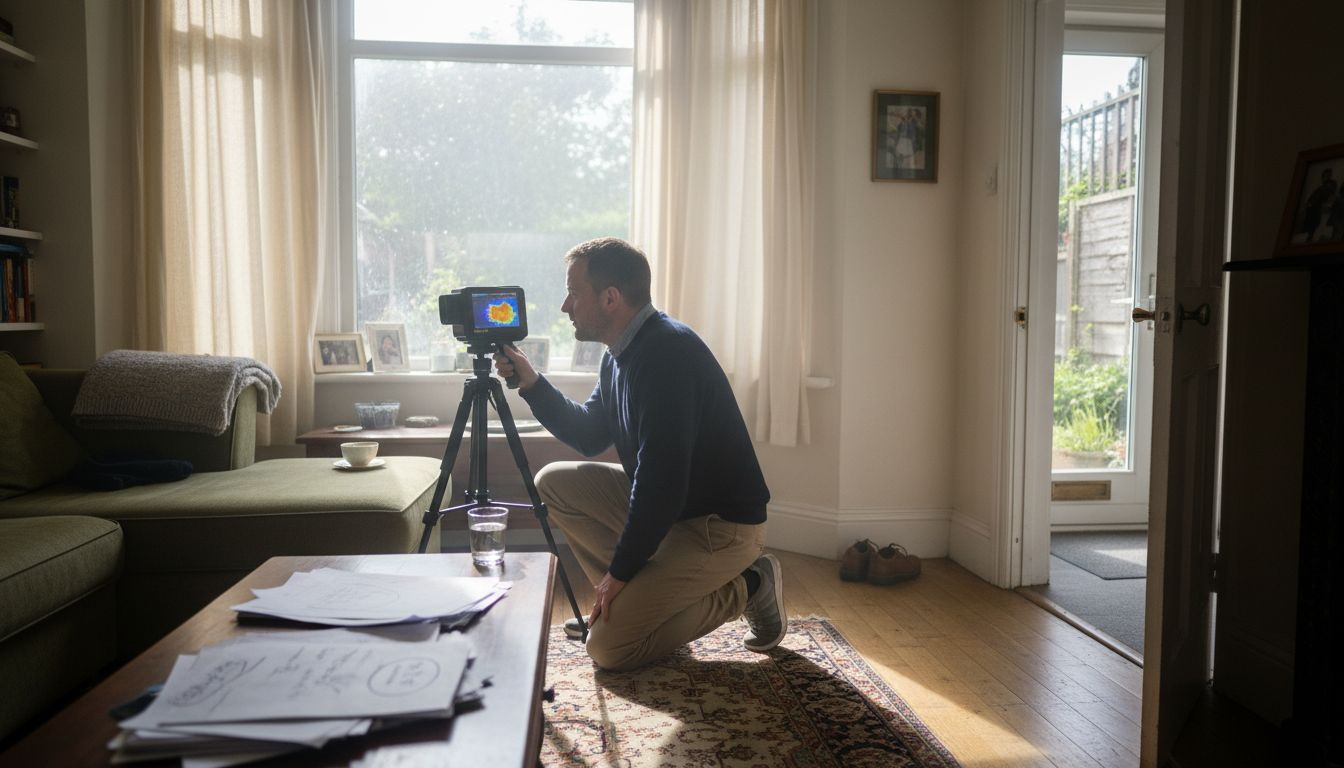
Pro tip: Start by conducting a professional thermal assessment of your home to identify specific passive cooling opportunities tailored to your unique architectural characteristics.
Primary Passive Cooling Techniques and Methods
Passive cooling encompasses a range of sophisticated architectural strategies designed to manage indoor temperatures naturally. The Building America Solution Center highlights several key techniques that homeowners can implement to reduce heat gain and improve thermal comfort without relying on mechanical systems.
These techniques can be broadly categorised into two primary approaches:
- Preventive Heat Management Strategies
- Strategic building orientation to minimise solar exposure
- High-performance thermal insulation
- Reflective surface treatments
- Window placement and design
- Active Heat Dissipation Methods
- Natural ventilation techniques
- Cross-ventilation design
- Thermal mass utilisation
- Evaporative cooling systems
- Night-time air flushing
Comprehensive research from the ASEAN Centre for Energy emphasises that successful passive cooling requires a holistic approach. The effectiveness of these techniques varies significantly depending on local climate, building characteristics, and specific environmental conditions. Homeowners must consider their unique context when selecting and implementing passive cooling strategies.
Here’s an at-a-glance overview of major passive cooling techniques and their typical suitability across different climates:
| Technique | Hot & Dry Climate | Temperate Climate | Humid/Tropical Climate |
|---|---|---|---|
| High-performance insulation | Essential for reducing extreme heat | Useful for year-round comfort | Less critical, focus on ventilation |
| Reflective surfaces | Highly effective for sun exposure | Moderately beneficial | Limited impact, rapid moisture build-up |
| Thermal mass utilisation | Maximises night cooling potential | Offers balanced temperature control | May increase humidity; use cautiously |
| Strategic shading | Prevents solar heat gain | Useful around windows | Critical for reducing indoor humidity |
| Natural ventilation | Encourages air movement | Enhances spring/summer comfort | Vital for cooling and moisture removal |
Pro tip: Consult a local sustainable design professional who can perform a detailed thermal analysis and recommend passive cooling techniques tailored specifically to your home’s microclimate and architectural design.
How Passive Cooling Works in Homes
Passive cooling operates through sophisticated architectural principles that transform how homes manage thermal energy. Instead of relying on mechanical cooling systems, this approach leverages natural physical processes to regulate indoor temperatures, creating comfortable living environments while dramatically reducing energy consumption.
The fundamental mechanisms of passive cooling involve three critical strategies:
- Heat Prevention
- Blocking solar radiation through strategic building orientation
- Using reflective exterior surfaces
- Implementing high-performance insulation
- Designing intelligent window placements
- Heat Dissipation
- Encouraging natural airflow through ventilation
- Utilising thermal mass materials
- Implementing night-time cooling techniques
- Creating cross-ventilation pathways
Comprehensive research highlights that successful passive cooling requires understanding how different architectural elements interact to manage thermal energy. Thermal mass materials like concrete and stone absorb heat during warm periods and release it slowly, creating a natural temperature-moderating effect. Simultaneously, carefully positioned windows and ventilation points allow warmer air to escape while drawing cooler air into living spaces.
Climate adaptation is crucial in passive cooling design. Each home requires a tailored approach that considers local temperature ranges, humidity levels, wind patterns, and seasonal variations. This means the specific techniques used in a Mediterranean climate will differ significantly from those employed in a temperate or tropical environment.
Pro tip: Conduct a professional thermal survey of your home to identify specific passive cooling opportunities unique to your building’s architectural characteristics and local microclimate.
Core Benefits for Homeowners and the Environment
Passive cooling strategies deliver transformative advantages that extend far beyond simple temperature management. Homeowners who implement these innovative approaches can simultaneously reduce energy expenditures, enhance indoor comfort, and contribute meaningfully to environmental sustainability.
The direct benefits for homeowners include:
- Significant reduction in utility bills
- Improved indoor thermal comfort
- Enhanced air quality
- Reduced reliance on mechanical cooling systems
- Lower maintenance costs for home cooling infrastructure
Environmental research highlights the broader ecological impact of passive cooling adoption, demonstrating substantial benefits that extend beyond individual households. By minimising mechanical cooling requirements, these strategies dramatically reduce greenhouse gas emissions, decrease electrical grid strain, and support urban sustainability objectives.

Moreover, passive cooling represents a critical climate adaptation strategy. As global temperatures continue rising, these techniques provide resilient solutions that protect vulnerable populations from extreme heat while simultaneously reducing carbon footprints. The cumulative effect of widespread passive cooling implementation could significantly mitigate urban heat island effects and contribute to broader climate change mitigation efforts.
Below is a summary highlighting the primary benefits of passive cooling for homeowners and the wider environment:
| Benefit Type | Homeowner Advantages | Environmental Impact |
|---|---|---|
| Financial | Lower energy bills, minimal maintenance | Reduced grid demand, fewer upgrades |
| Comfort | Consistent indoor temperatures | Less reliance on air conditioning |
| Health | Improved air quality, less mould risk | Decreased emissions, healthier cities |
| Sustainability | Future-proof home design | Supports climate change mitigation |
Pro tip: Consult a local sustainable design professional to conduct a comprehensive thermal assessment and develop a passive cooling strategy tailored specifically to your home’s unique architectural characteristics and local microclimate.
Comparing Passive and Active Cooling Solutions
Cooling strategies diverge fundamentally in their approach to thermal management, presenting homeowners with critical choices about energy efficiency, environmental impact, and long-term sustainability.
Key differences between passive and active cooling include:
Passive Cooling Characteristics:
- Relies on natural energy flows
- Minimal operational energy requirements
- Zero to low maintenance costs
- Integrated architectural design approach
- Environmentally sustainable
Active Cooling Characteristics:
- Depends on mechanical systems
- High energy consumption
- Significant ongoing maintenance expenses
- Requires external power sources
- Greater carbon footprint
Comprehensive research reveals the nuanced landscape of cooling technologies, demonstrating that neither approach is universally superior. Hybrid solutions often represent the most pragmatic strategy, combining passive design principles with targeted mechanical interventions to optimise thermal comfort and energy efficiency.
The selection between passive and active cooling depends on multiple factors, including local climate, building architecture, budget constraints, and environmental considerations. While passive cooling offers substantial long-term benefits, some environments or specific architectural constraints may necessitate supplementary active cooling systems.
Pro tip: Conduct a professional energy audit to determine the most appropriate cooling strategy for your specific home design and local microclimate.
Challenges, Costs, and Practical Limitations
Passive cooling strategies encounter significant implementation barriers that prevent widespread adoption despite their environmental potential. Homeowners and urban planners must navigate complex challenges involving initial investment, architectural constraints, and regional variations in effectiveness.
Key challenges include:
Financial Limitations:
- High upfront retrofitting costs
- Limited return on investment in short term
- Complex design requirements
- Potential structural modifications
Implementation Obstacles:
- Climate-specific effectiveness variations
- Urban density restrictions
- Existing building design incompatibilities
- Technical expertise requirements
Research indicates that regulatory frameworks and occupant awareness significantly impact passive cooling adoption, revealing systemic challenges beyond individual implementation. Most current building policies prioritise energy efficiency metrics rather than holistic thermal comfort, creating institutional barriers to transformative cooling approaches.
Moreover, passive cooling is not a universal solution. Some architectural configurations, extreme climatic conditions, and dense urban environments may render these strategies less effective or economically viable. Successful implementation demands nuanced, contextually sensitive design approaches that balance technical feasibility, economic constraints, and environmental objectives.
Pro tip: Consult a sustainable design professional to conduct a comprehensive site-specific assessment determining the most appropriate passive cooling strategies for your unique architectural and environmental context.
Transform Your Home with Smart Passive Cooling Solutions
The challenge of reducing energy bills while creating a comfortable and eco-friendly home is clear in the article on passive cooling. Understanding techniques like strategic shading, natural ventilation, and thermal mass can seem overwhelming but these steps are essential to lower costs and improve indoor comfort sustainably. If you are aiming to embrace these smart design principles but want easy ways to start enhancing your living space today we have solutions that make a real difference.
Explore practical home goods and lighting options at Stomart.co.uk that support passive cooling benefits such as energy-efficient curtains, reflective blinds, and eco-friendly lighting. These products help manage heat gain and indoor air quality without heavy reliance on mechanical systems. Don’t wait to improve your home’s comfort while saving on utility bills. Start your journey towards a greener, cooler home now by visiting our range of products designed for everyday use that align perfectly with passive cooling strategies. Take action today for a healthier home environment and lasting energy savings.
Frequently Asked Questions
What is passive cooling?
Passive cooling is an architectural strategy that utilises natural processes to regulate indoor temperatures without relying heavily on mechanical systems. It includes techniques such as thermal insulation, strategic shading, and natural ventilation to maintain comfort efficiently.
How do passive cooling strategies save on energy bills?
By minimising the reliance on mechanical cooling systems, passive cooling strategies reduce energy consumption significantly. Techniques like thermal mass and natural ventilation create comfortable indoor environments at lower costs, resulting in substantial reductions in utility bills.
What are the primary techniques used in passive cooling?
Primary techniques include thermal insulation, strategic building orientation, reflective surfaces, natural ventilation methods, and the use of thermal mass materials. These methods work together to prevent heat gain and facilitate heat dissipation in homes.
Can passive cooling be applied in all climates?
While passive cooling techniques are adaptable, their effectiveness varies significantly depending on local climate conditions. Each strategy must be tailored to suit specific environmental characteristics, making it necessary for homeowners to consider their unique context when implementing passive cooling solutions.
Recommended
Share
- Dec 27, 2025
- Dec 24, 2025
- Dec 21, 2025
- Dec 19, 2025


- Dec 17, 2025

- Dec 16, 2025

- Dec 15, 2025


- Dec 15, 2025

- Dec 15, 2025


- Dec 11, 2025

- Dec 11, 2025


- Dec 08, 2025


- Dec 05, 2025

- Dec 05, 2025


- Dec 02, 2025


- Dec 01, 2025

- Dec 01, 2025

- Nov 30, 2025


- Nov 30, 2025

- Nov 29, 2025


- Nov 25, 2025

- Nov 24, 2025

- Nov 23, 2025
Recent Posts
- Dec 27, 2025
- Dec 24, 2025
- Dec 21, 2025
- Dec 19, 2025