

Gua Sha Explained: Natural Skincare Benefits Revealed
on Jan 14, 2026
Statistics show that over fifty percent of British skincare enthusiasts are searching for ways to add ancient wellness techniques to their routines. With gua sha now trending in countless beauty circles, British fans of natural skincare are curious about its true origins and real benefits. If you are ready to make informed choices and avoid common mistakes, understanding the facts about gua sha will give your beauty ritual both confidence and clarity.
Key Takeaways
| Point | Details |
|---|---|
| Gua Sha Technique | Gua sha involves strategic skin scraping to promote healing and wellness, typically using tools made from jade or rose quartz. |
| Common Misconceptions | The purplish-red marks from gua sha are intentional and should not be confused with bruising; proper technique should not cause pain. |
| Modern Adaptations | Gua sha has evolved to include facial treatments and physiotherapy techniques, highlighting its versatility in wellness practices. |
| Safety Considerations | It is crucial to consult a professional before undertaking gua sha to ensure safe practice and avoid adverse reactions. |
Gua sha defined and common misconceptions
Gua sha is an ancient healing technique rooted in traditional Chinese medicine, involving strategic skin scraping to stimulate healing and promote wellness. Traditional medical therapy with complex origins suggests this practice extends far beyond simple skin manipulation.
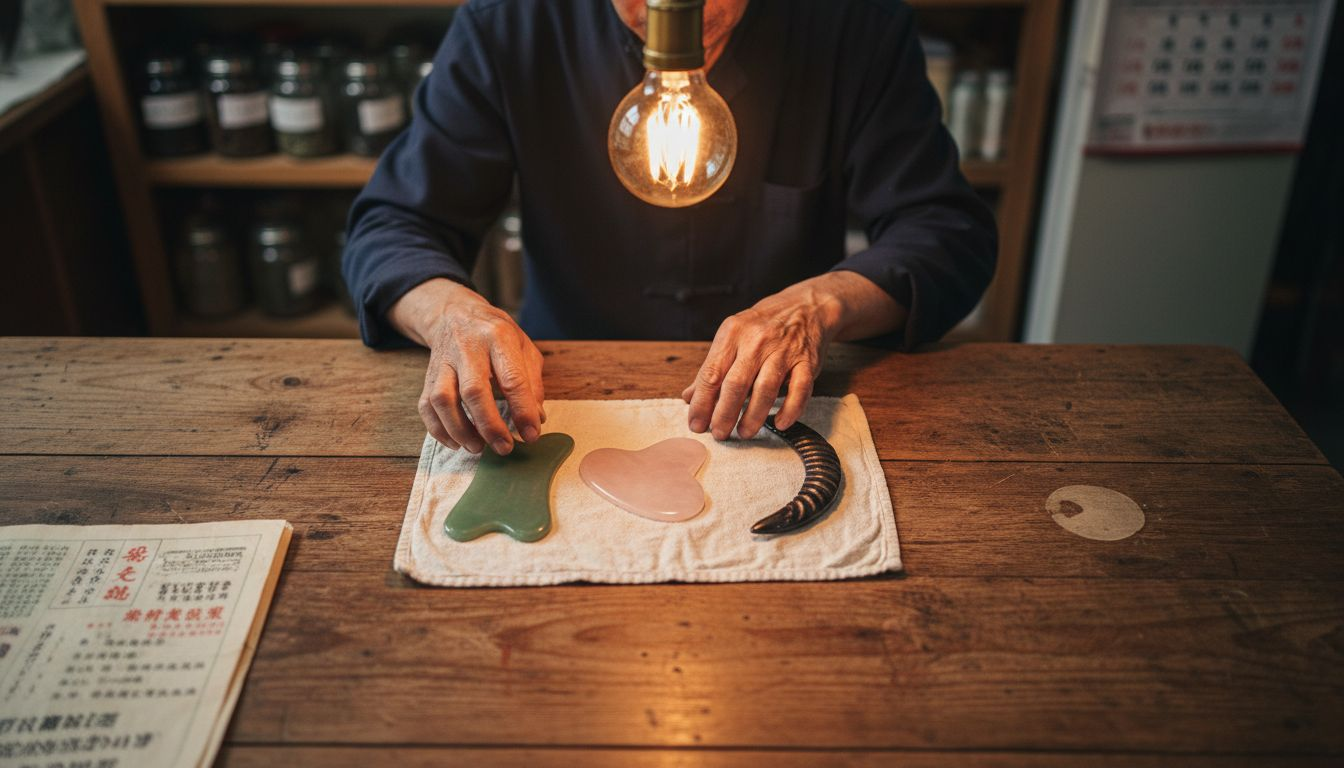
At its core, gua sha involves using a smooth-edged tool - typically made from jade, rose quartz, or buffalo horn - to apply measured pressure and scrape along specific body areas. The technique produces distinctive purplish-red marks called ‘blood stasis’, which might appear alarming to those unfamiliar with the practice. Pseudomedicine practice with therapeutic intentions aims to release tension, improve circulation, and support the body’s natural healing processes.
Common misconceptions about gua sha often stem from misunderstanding its purpose and technique. Western observers might mistake the characteristic skin markings for bruising or abuse, when in reality, these marks represent a deliberate therapeutic intervention. Practitioners emphasise that while the process might look intense, it should not be painful when performed correctly. The technique targets fascia and muscle tissue, seeking to break down tension and support lymphatic drainage.
Key aspects that are frequently misunderstood include:
- Gua sha is not a violent or harmful practice
- The red marks are temporary and part of the healing process
- Professional practitioners use gentle, controlled techniques
- The therapy is rooted in holistic wellness principles
Pro tip: Always consult a trained professional before attempting gua sha to ensure proper technique and understand your individual body’s response.
Traditional roots and modern variations
Gua sha has a profound historical legacy stretching back to the ancient medical practices of China, with its origins deeply embedded in traditional healing philosophies. Emerging during the Han Dynasty around 220 AD, this therapeutic technique represents more than a simple medical intervention - it embodies a holistic approach to understanding body wellness and energy flow.
The technique’s evolution reflects a remarkable journey of cultural adaptation and medical innovation. Historical documentation reveals complex transformation across different regions of East Asia, where practitioners adapted the practice using locally available materials and integrating regional therapeutic understanding. From traditional healing contexts to contemporary wellness practices, gua sha has demonstrated remarkable versatility.
Modern variations have expanded the technique’s application significantly. Facial gua sha has emerged as a popular skincare ritual, utilising gentler tools and techniques designed to promote circulation, reduce facial tension, and support skin health. Physiotherapy disciplines have also incorporated similar scraping techniques, such as the Graston Technique, which applies structured soft tissue mobilisation principles derived from traditional gua sha practices.
Key modern adaptations include:
- Gentle facial gua sha for cosmetic wellness
- Sports medicine soft tissue rehabilitation techniques
- Stress reduction and lymphatic drainage protocols
- Personalised wellness approaches integrating traditional and contemporary methods
Pro tip: Research and select gua sha tools appropriate for your specific wellness goals, understanding that different materials and edge designs serve distinct therapeutic purposes.
Tools and materials used for gua sha
Gua sha practitioners have traditionally employed a diverse range of materials with unique therapeutic properties, carefully selecting tools that complement specific treatment goals. The choice of material significantly influences the technique’s effectiveness, with each substance offering distinct characteristics that impact skin interaction and healing potential.
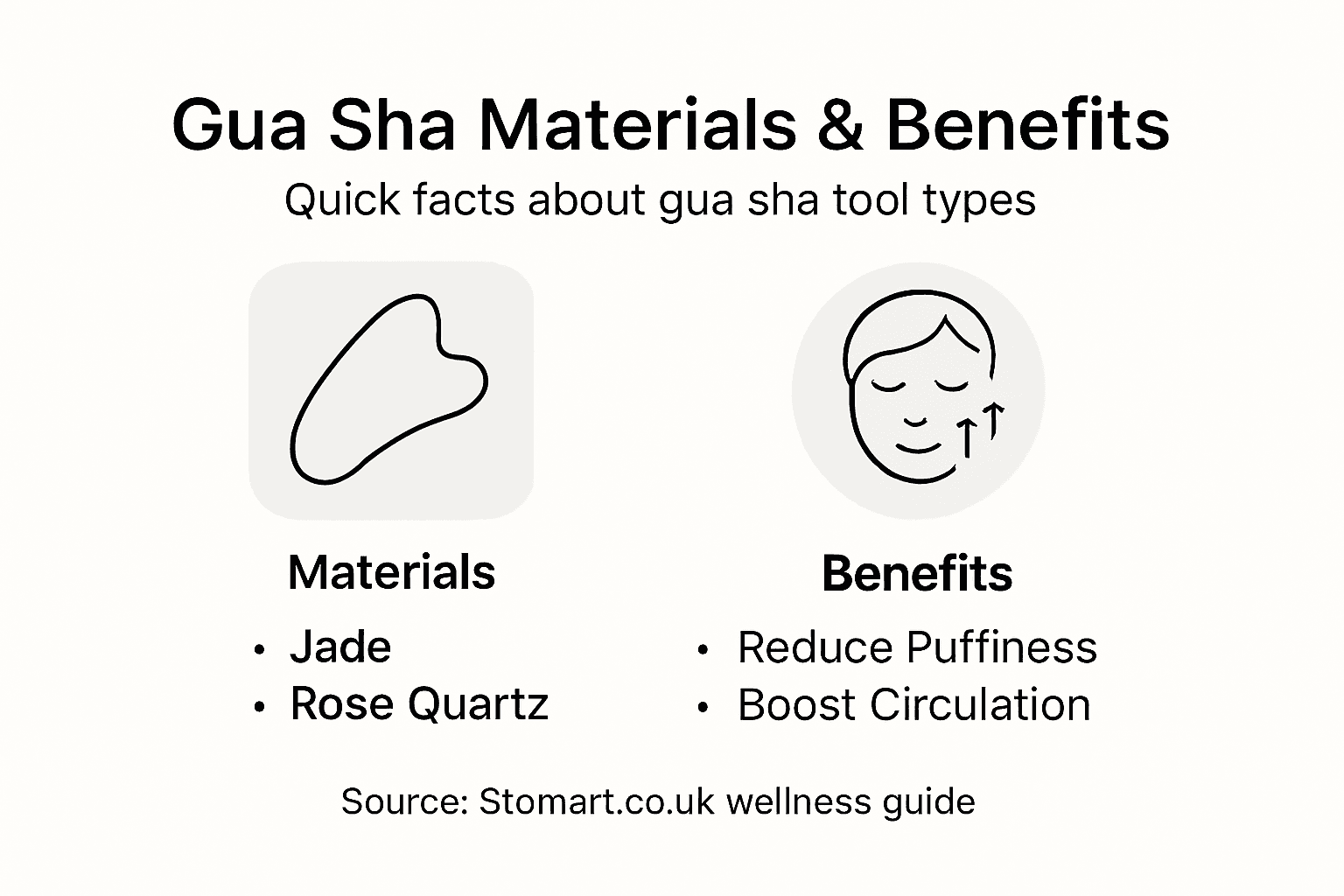
Historical gua sha tool diversity reveals a fascinating evolution from primitive implements to sophisticated wellness instruments. Traditional practitioners initially used materials readily available in their environment, including smooth stones, animal horns, and ceramic spoons. Contemporary tools have expanded to include precision-engineered materials designed for specific therapeutic outcomes.
Modern gua sha tools typically fall into several primary material categories, each with unique benefits:
- Jade: Prized for energetic properties and natural cooling effect
- Rose Quartz: Gentle on sensitive skin, promotes emotional healing
- Obsidian: Provides deeper tissue warming and intense scraping
- Stainless Steel: Offers superior hygiene and professional-grade durability
- Ceramic: Smooth surface with consistent temperature retention
When selecting a gua sha tool, practitioners recommend considering skin sensitivity, intended treatment area, and personal wellness objectives. Professional therapists often maintain multiple tools to address different therapeutic needs, understanding that no single material suits every scenario.
Here’s a comparative overview of popular gua sha tool materials and their unique properties:
| Material | Skin Interaction | Durability | Typical Use Cases |
|---|---|---|---|
| Jade | Cooling, calming effect | Moderate | Soothing facial massage |
| Rose Quartz | Gentle, for sensitive skin | Lower | Emotional wellness rituals |
| Obsidian | Deep tissue warming | Moderate | Intense muscle scraping |
| Stainless Steel | Hygienic, precise glide | Very high | Clinical physiotherapy sessions |
| Ceramic | Smooth, even temperature | Breakable | Gentle facial and body use |
Pro tip: Invest in multiple gua sha tools made from different materials, allowing you to adapt your technique based on specific body areas and individual comfort levels.
Techniques and skincare benefits explained
Gua sha represents a sophisticated skincare technique that goes far beyond simple skin manipulation. Precise skin scraping techniques involve using a polished stone to gently stroke the skin in carefully orchestrated upward and outward movements, designed to stimulate circulation and support natural skin healing processes.
Modern wellness practitioners employ a range of strategic approaches tailored to individual skin needs. The technique requires applying a lubricating medium - typically a facial oil or serum - before using the gua sha tool to create smooth, controlled strokes along facial contours and muscle groups. These movements are intentionally designed to promote lymphatic drainage, reduce muscle tension, and enhance overall skin vitality.
The primary skincare benefits of gua sha include:
- Improved blood circulation
- Reduced facial puffiness
- Enhanced lymphatic drainage
- Decreased muscle tension
- Potential reduction in fine lines and wrinkles
- Stimulation of collagen production
- Natural skin detoxification
Professional practitioners emphasise that technique matters significantly. Gentle, consistent strokes performed with minimal pressure can yield remarkable results, while overly aggressive scraping might cause skin irritation. The key is understanding your skin’s unique response and adapting the technique accordingly.
For easy reference, here is a summary of common gua sha technique outcomes and their practical benefits:
| Technique Focus | Intended Outcome | Practical Benefit |
|---|---|---|
| Upward strokes | Enhanced circulation | Brighter, healthier skin tone |
| Outward facial strokes | Boost lymphatic drainage | Reduced puffiness and swelling |
| Pressure modulated | Decreased muscle tension | Relaxed, soothed tissue |
| Regular application | Collagen stimulation | Smoother, firmer appearance |
Pro tip: Always apply a nourishing facial oil before gua sha to ensure smooth tool glide and maximise the therapeutic benefits of your skincare ritual.
Risks, safety tips, and what to avoid
While gua sha is generally considered a safe wellness practice, understanding potential risks is crucial for responsible implementation. Safe practice requires careful consideration of multiple factors including tool hygiene, technique, and individual skin conditions.
Potential risks can emerge from improper technique and lack of proper preparation. Practitioners and individuals must be aware of several critical safety considerations to prevent adverse reactions. Risks include skin irritation, bruising, and potential infection if fundamental safety protocols are not followed meticulously.
Key safety considerations and risks to avoid:
- Performing gua sha on broken or infected skin
- Using unsterilised or shared tools
- Applying excessive pressure during scraping
- Ignoring personal health conditions
- Scraping over active acne or open wounds
- Continuing treatment if experiencing significant discomfort
- Failing to use appropriate lubricating medium
Professional guidance strongly recommends consulting healthcare professionals before beginning gua sha, especially for individuals with pre-existing skin conditions, blood disorders, or those taking blood-thinning medications. Understanding your body’s unique responses and limitations is paramount to safe practice.
Pro tip: Always perform a patch test and start with gentle, minimal pressure when introducing gua sha to your skincare routine, gradually increasing intensity as you become more comfortable with the technique.
Discover the Power of Gua Sha with Trusted Tools and Wellness Essentials
If you have been inspired by the natural skincare benefits of gua sha and want to embrace this ancient technique safely, you need the right tools and products to get started. The key challenges include choosing appropriate gua sha materials, protecting your skin with nourishing oils, and ensuring gentle, effective practice to avoid irritation. Gua sha offers remarkable benefits such as improved circulation, lymphatic drainage, and muscle relaxation, but it demands quality tools and proper preparation.
At Stomart.co.uk, you can explore a wide range of wellness essentials and beauty accessories to complement your gua sha routine. From premium facial oils that ensure smooth gliding to high-quality gua sha tools crafted from jade, rose quartz, and other therapeutic materials, we provide everything to help you perform gua sha safely and confidently. Don’t wait to elevate your skincare ritual with trusted supplies and enjoy the rejuvenating effects of this holistic practice. Visit Stomart.co.uk today to browse the latest arrivals and find products designed to support your natural beauty journey.
Frequently Asked Questions
What is gua sha and how does it work?
Gua sha is an ancient Chinese healing technique involving skin scraping with a smooth-edged tool to promote circulation, relieve muscle tension, and support the body’s natural healing processes.
What are the main skincare benefits of gua sha?
Gua sha offers several skincare benefits, including improved blood circulation, reduced facial puffiness, enhanced lymphatic drainage, decreased muscle tension, and stimulation of collagen production, potentially leading to smoother, firmer skin.
Can anyone use gua sha, or are there any safety concerns?
While gua sha is generally safe, it is important to avoid using it on broken or infected skin and to consult with a healthcare professional if you have pre-existing skin conditions or are on blood-thinning medications. Patch testing and starting with gentle pressure are recommended for new users.
What materials are commonly used for gua sha tools, and how do they differ?
Common materials for gua sha tools include jade, rose quartz, obsidian, stainless steel, and ceramic. Each material has unique properties: jade is cooling, rose quartz is gentle for sensitive skin, obsidian provides deeper tissue warming, stainless steel is hygienic, and ceramic offers a smooth surface.