
Recent Posts

- Jan 21, 2026

- Jan 20, 2026

- Jan 19, 2026


- Jan 17, 2026

- Jan 16, 2026


- Jan 12, 2026


- Jan 10, 2026

- Jan 09, 2026

- Jan 08, 2026

Dermaplaning Explained: Smoother Skin and Radiance
Contents
Finding the right way to achieve smoother, brighter skin can be challenging for anyone curious about at-home skincare in the United Kingdom. The search for a flawless complexion often leads to trending techniques like dermaplaning, which promises more than just hair removal by also exfoliating dead skin cells for immediate radiance. This guide helps break down the basics, clears up common myths and safety concerns, and gives practical tips for those hoping to master dermaplaning safely at home.
Key Takeaways
| Point | Details |
|---|---|
| Dermaplaning is not shaving | This technique involves precise manual exfoliation that removes dead skin cells and fine facial hair, promoting skin rejuvenation. |
| Potential risks exist | Individuals with sensitive skin or conditions like rosacea or acne should consult professionals before undergoing treatment to avoid exacerbation of conditions. |
| Professional treatments are superior | Licensed dermatologists and aestheticians use medical-grade tools for optimal results, unlike at-home methods that may pose risks and lack precision. |
| Proper aftercare is essential | Following dermaplaning, use gentle products, avoid sun exposure, and refrain from harsh treatments to ensure skin recovery and health. |
Dermaplaning Defined and Common Myths
Dermaplaning is an advanced skincare technique designed to exfoliate and remove fine facial hair through a precise manual method involving a specialised surgical scalpel or razor. Harvard Health experts suggest that when performed correctly, this treatment can effectively eliminate dead skin cells and vellus hair, revealing smoother, more radiant skin.
Contrary to popular misconceptions, dermaplaning is not simply another form of shaving. While traditional hair removal methods focus primarily on hair elimination, dermaplaning offers a comprehensive skin rejuvenation approach. The procedure carefully scrapes away the uppermost layer of dead skin, creating a more even texture and allowing skincare products to penetrate more deeply. This technique differs from traditional hair removal by providing simultaneous exfoliation and hair removal.
Several myths surrounding dermaplaning require clarification. Many people incorrectly believe that hair will grow back thicker or darker after treatment - this is categorically false. The procedure does not alter hair growth patterns or thickness. Additionally, individuals with sensitive skin conditions like rosacea, eczema, or active acne should exercise caution and consult a skincare professional before attempting dermaplaning, as the technique might exacerbate existing skin sensitivities.
Pro tip: Always use a clean, sterile single-use blade and perform dermaplaning at a 45-degree angle to minimise potential skin irritation and achieve the most effective hair and dead skin cell removal.
How Dermaplaning Works on the Skin
Dermaplaning is a precision skin treatment that operates through a carefully orchestrated process of manual exfoliation. Professional skincare techniques involve using a sterile surgical scalpel at a precise 45-degree angle to gently remove the uppermost layer of dead skin cells and fine vellus hair. This mechanical process creates an immediate smoothing effect by eliminating microscopic layers of cellular debris and peach fuzz.
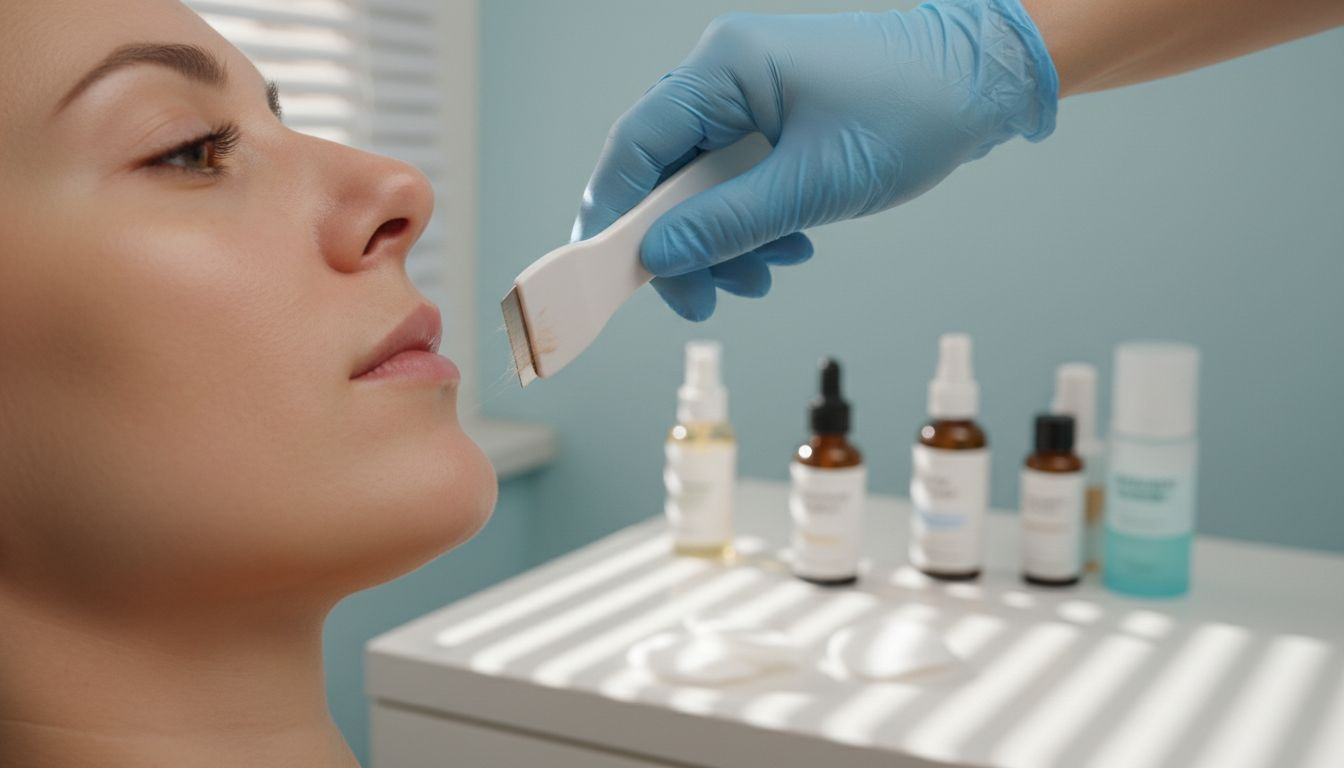
The mechanism of dermaplaning relies on controlled, systematic skin resurfacing. As the specialised blade moves across the skin’s surface, it meticulously scrapes away dead skin cells, revealing a fresher, more radiant complexion underneath. Unlike harsh chemical exfoliants, this method provides a physical removal of skin barriers, which improves skin texture and product absorption. The technique not only removes superficial skin layers but also stimulates cellular turnover, promoting a more even skin tone and reducing the appearance of fine lines and minor surface irregularities.
Professional dermaplaning goes beyond simple hair and skin cell removal. Practitioners typically combine the mechanical exfoliation with complementary treatments such as gentle chemical peels or hydrating serums to enhance overall skin rejuvenation. The procedure requires extraordinary precision, with trained professionals understanding skin anatomy and using sterilised equipment to minimise potential irritation. Each stroke of the blade is calculated to remove dead skin without causing unnecessary trauma to the living skin layers beneath.
Pro tip: Always schedule dermaplaning with a certified skincare professional who can assess your unique skin type and provide personalised treatment recommendations to maximise effectiveness and minimise potential risks.
Professional Treatments vs At-Home Dermaplaning
The distinction between professional and at-home dermaplaning represents a critical consideration for individuals seeking optimal skincare results. Professional treatments offer superior precision through medical-grade techniques that far surpass typical home-based approaches. Licensed dermatologists and aestheticians utilise sterile surgical scalpels with extraordinary skill, ensuring each treatment is carefully tailored to individual skin characteristics, minimising potential risks and maximising therapeutic outcomes.
At-home dermaplaning tools typically fall significantly short of professional standards. Cosmetic razors cannot match medical-grade equipment in terms of sharpness, control, and safety. These consumer-grade tools often lack the precision required for effective exfoliation, potentially causing micro-cuts, uneven skin texture, and increased risk of irritation. Professional practitioners understand intricate skin anatomy, can assess skin conditions in real-time, and modify their technique accordingly - a nuanced approach impossible to replicate with off-the-shelf devices.
The key differences extend beyond tool quality into comprehensive skin assessment and aftercare. Professional dermaplaning includes a thorough initial consultation, identifying potential contraindications, skin sensitivities, and developing a personalised treatment strategy. Practitioners can simultaneously perform complementary treatments like gentle chemical peels or hydrating serums, creating a holistic skin rejuvenation experience. In contrast, at-home treatments offer no professional oversight, leaving individuals vulnerable to potential skin damage or inappropriate technique.
Pro tip: If you’re considering at-home dermaplaning, invest in high-quality, single-use sterile blades and watch professional tutorial videos to understand proper angle and technique before attempting the procedure.
Key Benefits and Who Should Avoid It
Dermaplaning offers a transformative approach to skincare with multiple compelling advantages. Significant benefits include smoother skin texture and enhanced product absorption, making it an attractive option for individuals seeking immediate skin refinement. The procedure effectively removes fine vellus hair and dead skin cells, creating a remarkably smooth canvas that improves makeup application and allows skincare products to penetrate more deeply. This exfoliation technique can visibly reduce the appearance of fine lines, minimise hyperpigmentation, and restore a radiant complexion.
Potential risks require careful consideration, particularly for those with specific skin conditions. Individuals with active acne, rosacea, eczema, or highly sensitive skin should avoid dermaplaning, as the procedure could exacerbate inflammation or cause additional skin irritation. The technique does not stimulate collagen or elastin production, contrary to some misconceptions, and improper execution can lead to potential complications such as micro-cuts, infection, or uneven pigmentation.
The ideal candidates for dermaplaning typically have relatively stable, non-inflammatory skin types seeking to address concerns like uneven texture, dullness, or excessive fine facial hair. Professional dermatologists recommend limiting treatments to once every one to two weeks, depending on individual skin health and response. Those with darker skin tones or more sensitive complexions should exercise additional caution and always seek professional consultation before attempting the procedure.
Pro tip: Consult a skincare professional to determine your specific skin suitability and develop a personalised dermaplaning strategy that minimises potential risks and maximises aesthetic benefits.
Safety Risks and Essential Aftercare
Understanding the potential safety risks associated with dermaplaning is crucial for maintaining healthy skin. Professional dermaplaning requires strict hygiene protocols to minimise risks of infection, cuts, and skin irritation. The procedure involves using sterile surgical scalpels at precise angles, which demands exceptional skill and expertise. Primary risks include potential micro-cuts, uneven skin texture, and heightened sensitivity, particularly for individuals with pre-existing skin conditions or those using certain skincare treatments.
Post-treatment skin requires meticulous aftercare to ensure optimal healing and maintain skin barrier integrity. Immediately following the procedure, skin becomes significantly more sensitive and vulnerable to environmental stressors. Critical aftercare steps include using gentle, fragrance-free skincare products, avoiding direct sun exposure, and applying broad-spectrum sunscreen with minimum SPF 30. Skincare professionals recommend abstaining from harsh exfoliants, retinols, and acidic treatments for 24-48 hours to prevent potential inflammation or adverse reactions.
The frequency and timing of dermaplaning treatments play a pivotal role in managing potential risks. Most dermatological experts recommend spacing treatments approximately 3-4 weeks apart, allowing sufficient time for skin recovery and regeneration. Individuals with sensitive skin, active acne, rosacea, or recent cosmetic procedures should exercise additional caution and consult healthcare professionals before considering dermaplaning. Proper technique, professional guidance, and diligent aftercare are essential in mitigating potential complications and ensuring a safe, effective skincare experience.
Pro tip: Always patch test new skincare products after dermaplaning and introduce hydrating, non-comedogenic moisturisers with ingredients like hyaluronic acid to support skin healing and maintain optimal hydration.
The following table summarises key aftercare steps for maintaining healthy skin post-dermaplaning:
| Aftercare Step | Purpose | Recommended Products |
|---|---|---|
| Gentle cleansing | Prevent infection | Non-foaming, fragrance-free wash |
| Hydration | Soothe and repair | Hyaluronic acid moisturiser |
| Sun protection | Minimise sensitivity | Broad-spectrum SPF 30 or higher |
| Avoid exfoliants/retinols | Reduce irritation | Delay acids and retinoids 48 hrs |
Comparing Dermaplaning to Other Methods
Dermaplaning distinguishes itself from traditional exfoliation techniques through its unique mechanical approach of using a sterile surgical blade. Unlike abrasive scrubs or harsh chemical treatments, this method simultaneously removes dead skin cells and fine vellus hair, creating an unparalleled smoothness that other techniques cannot replicate. The precision of surgical blades allows for gentle, targeted removal without the potential irritation associated with more aggressive exfoliation methods.

Compared to chemical peels and microdermabrasion, dermaplaning offers distinct advantages and limitations. Chemical peels penetrate deeper into skin layers, effectively addressing pigmentation and acne concerns, whereas dermaplaning focuses on surface-level exfoliation. Microdermabrasion utilises crystal-based technology and suction, which can be more invasive, while dermaplaning provides a gentler, more controlled approach suitable for sensitive skin types. Each method targets skin renewal differently, making the choice dependent on individual skin concerns and sensitivity levels.
The key differentiators include recovery time, invasiveness, and targeted outcomes. Scrubs often create micro-tears in the skin, chemical exfoliants can cause temporary redness and sensitivity, and microdermabrasion might be too aggressive for delicate skin types. Dermaplaning, by contrast, offers immediate results with minimal downtime, making it an attractive option for individuals seeking quick skin refinement without significant recovery periods. The technique’s ability to remove fine facial hair while exfoliating sets it apart from most traditional skin treatments.
Here’s a side-by-side comparison of dermaplaning with other popular exfoliation methods:
| Method | Technique Used | Best For | Typical Recovery Time |
|---|---|---|---|
| Dermaplaning | Sterile blade, manual exfoliation | Surface dullness, fine hair | Minimal, often same day |
| Chemical Peel | Acid solution, chemical reaction | Pigmentation, acne scars | 2-7 days depending on depth |
| Microdermabrasion | Crystal/suction mechanical action | Texture irregularities | 1-3 days, some redness |
| Physical Scrub | Granules massaged on skin | Mild exfoliation | Usually none, possible irritation |
Pro tip: Consult a skincare professional to determine which exfoliation method best suits your specific skin type, considering factors like sensitivity, skin concerns, and desired outcomes.
Discover the Secret to Radiant, Smooth Skin Today
Achieving the flawless complexion described in “Dermaplaning Explained: Smoother Skin and Radiance” starts with choosing the right skincare essentials that complement this advanced exfoliation technique. If you are looking to address issues like dull texture, fine facial hair, or poor product absorption, you understand how important it is to maintain gentle aftercare and supportive products. Dermaplaning requires precision and care, making professional tools and hydrating skincare critical to protect your skin from irritation and enhance your glow.
Explore a carefully curated selection of health and beauty products at Stomart.co.uk designed to nourish your skin post-treatment. From soothing moisturisers with hyaluronic acid to sun protection essentials, find everything you need for safe and effective aftercare. Don’t wait to transform your skincare routine with trusted products that support smoother, healthier skin immediately. Visit our health and beauty collection to shop now and take the first step towards radiant confidence.
Frequently Asked Questions
What is dermaplaning?
Dermaplaning is an advanced skincare technique that involves manual exfoliation to remove dead skin cells and fine vellus hair using a specialised surgical scalpel. This process reveals smoother, more radiant skin and enhances the absorption of skincare products.
Is dermaplaning safe for everyone?
While dermaplaning is generally safe, individuals with sensitive skin conditions like rosacea, eczema, or active acne should consult a skincare professional before undergoing the treatment, as it may exacerbate their conditions.
How often should I schedule dermaplaning treatments?
It is typically recommended to space dermaplaning treatments every 3-4 weeks, allowing your skin sufficient time to recover and regenerate between sessions for optimal results.
Can I perform dermaplaning at home?
At-home dermaplaning is possible but poses risks due to lack of professional technique and tools. While high-quality, sterile blades can be used, professional treatments offer superior precision and safety, and are generally recommended for better results.
Recommended
- Best Products for Breakout - STOMART.CO.UK
- Choosing Scar Cream for Scar Treatment - STOMART.CO.UK
- Choosing the Right Cream for Zits - STOMART.CO.UK
- Using Bio Oil for Keloid Treatment - STOMART.CO.UK
- What to Use to Make Your Skin Glow Naturally Every Day – Pure Light Botanical Beauty
- Τι Σημαίνει Skin Brightening: Ο Απόλυτος Οδηγός | B Woman
Share
- Jan 20, 2026
- Jan 19, 2026
- Jan 17, 2026
- Jan 16, 2026
- Jan 12, 2026
- Jan 10, 2026
- Jan 09, 2026
- Jan 08, 2026


- Jan 06, 2026


- Jan 03, 2026

- Jan 02, 2026

- Jan 01, 2026


- Dec 30, 2025


- Dec 27, 2025


- Dec 24, 2025


- Dec 21, 2025


- Dec 19, 2025


- Dec 17, 2025

- Dec 16, 2025

- Dec 15, 2025


- Dec 15, 2025

- Dec 15, 2025


- Dec 11, 2025

- Dec 11, 2025

Recent Posts
- Jan 21, 2026
- Jan 20, 2026
- Jan 19, 2026
- Jan 17, 2026
- Jan 16, 2026
- Jan 12, 2026
- Jan 10, 2026
- Jan 09, 2026
- Jan 08, 2026